
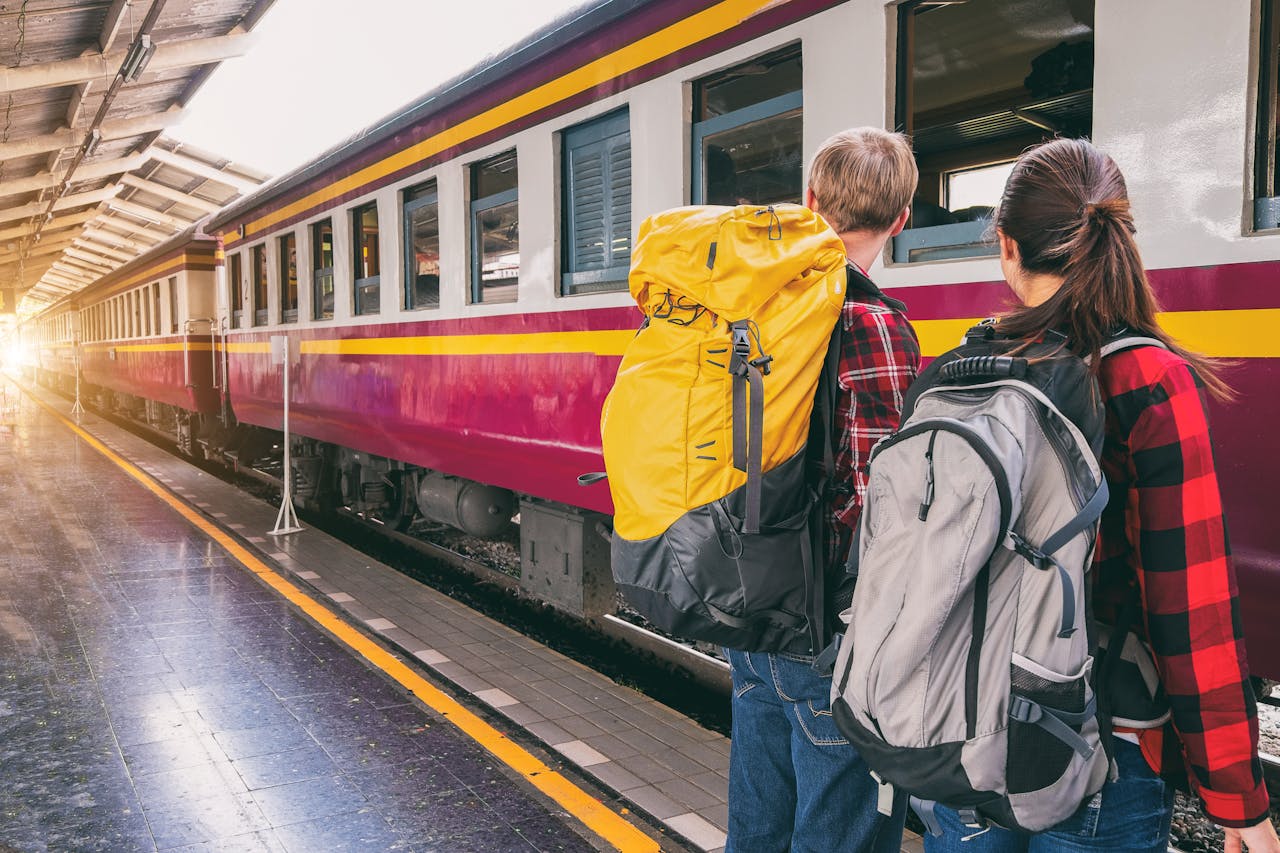
Traveling around Europe brings a rush of dopamine for everyone who is packing their bags, but also a little headache when it comes to costs. European countries are not the cheapest to travel to, so traveling does not usually come with a low budget. However, with a little planning and preparation, you can minimize costs and enjoy your trip without breaking the bank. Our travelers, who are European locals, avid backpackers, and young explorers who had gained expertise in choosing the most budget-friendly options, have given a few tips to travel in Europe on a budget. Whether it is a 15-day trip or a short weekend escape, applying these tips can save your wallet!
How to Travel in Europe on a Budget?
- East Instead of West
- Plan Way Ahead
- Travel in the Shoulder or Off-Season
- Use Public Transportation
- Stay Outside the City Center
- Stay in Budget Accommodation
- Eat Like a Local
- Take Free or Low-Cost Tours and Activities
- Use Discount Cards and Coupons
- Pack Smart and Light
- Skip Fancy Souvenirs
- Bring a Water Bottle
- Travel Slower
- Travel as a Group
East Instead of West
One of the biggest factors in determining your travel costs is your destination. Some cities in Europe, such as Paris or London, can be quite expensive, while others, like Berlin or Prague, are more budget-friendly. When choosing your destination, consider the cost of living, accommodation, food, and transportation in each city. You can use websites like Numbeo or Budget Your Trip to compare the costs of different cities and make an informed decision.
However, when we are talking about ‘Europe on a budget’, Eastern Europe is always there! The region is comparably cheaper than Western European countries like France and Germany. Besides preventing your bank from being broken, Eastern Europe features charming destinations that look distinctive from other parts in Europe. For your consideration, we also have some recommendations for budget-friendly places to visit in Europe. Check them out!
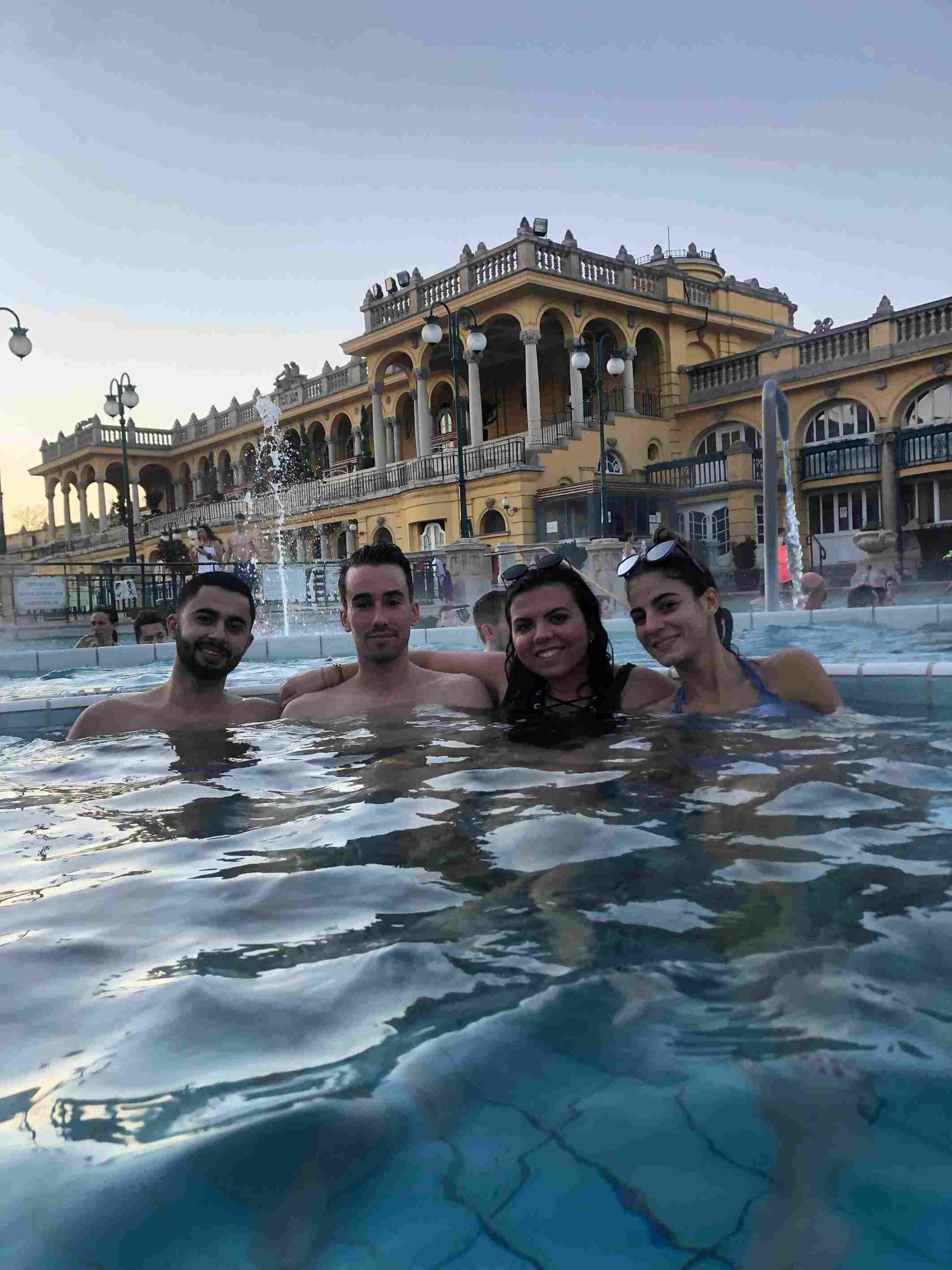
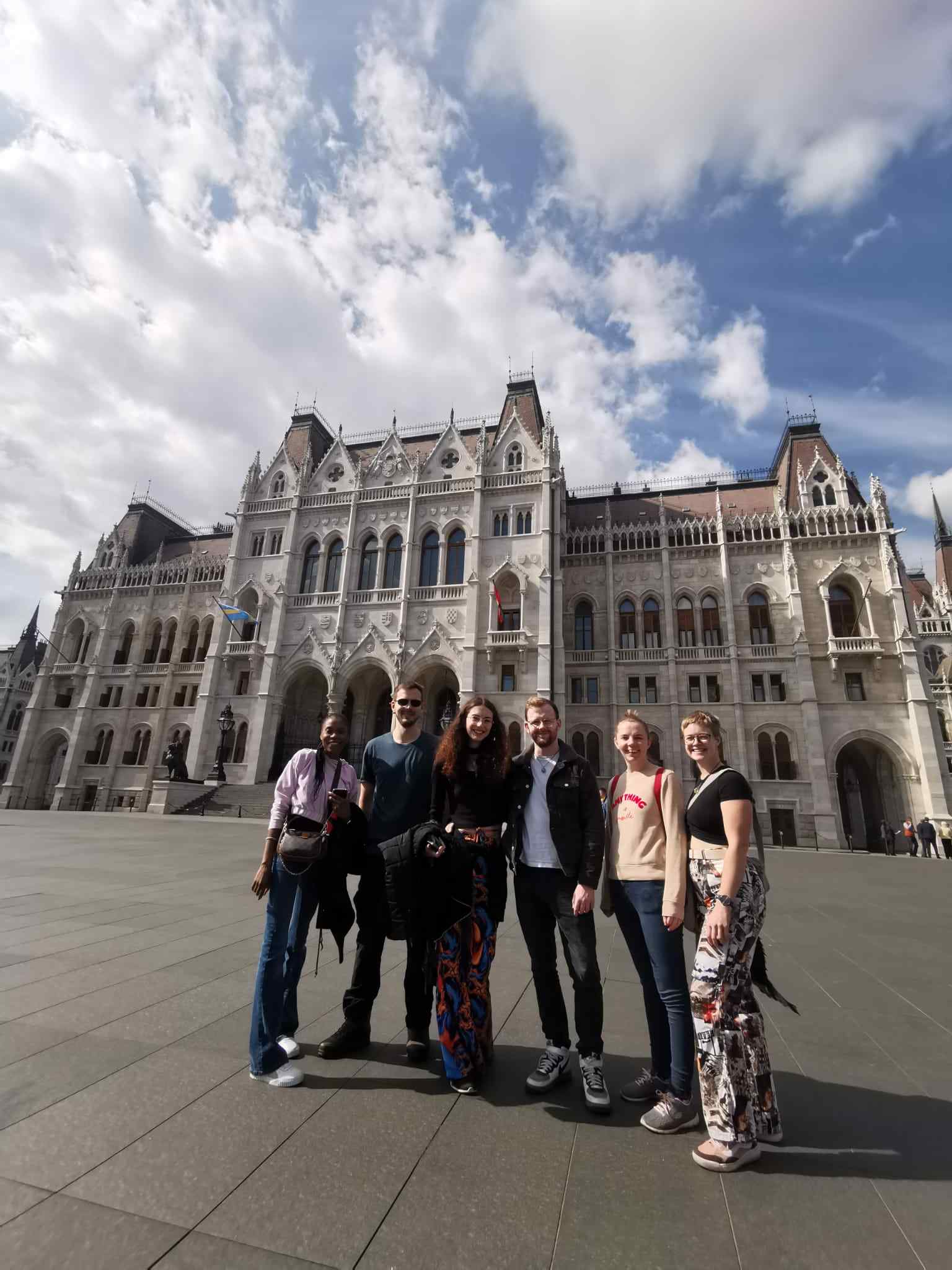
Budapest, Hungary
Budapest is known as one of the cheapest places to visit in Europe. Therefore, it is safe to say that you should put the capital city of Hungary on your bucket list for travel in Europe on a budget. Moreover, Budapest is a budget-friendly destination with rich history and culture, stunning architecture, beautiful parks, and thriving nightlife. Accommodation and food are relatively cheap. Also, the public transportation system is efficient and affordable. Moreover, the city is also known for its thermal baths, which offer a unique and relaxing experience.
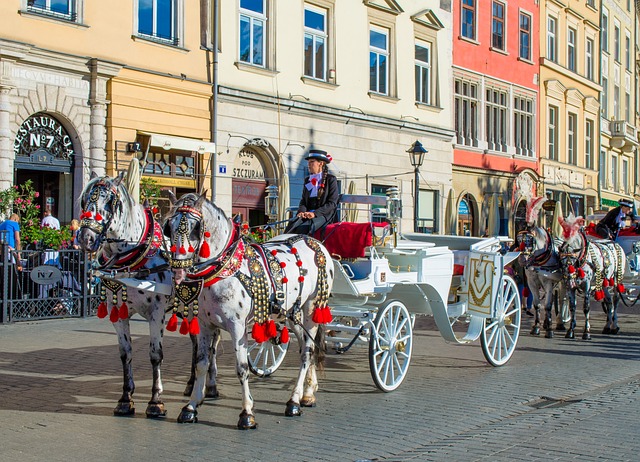
Krakow, Poland
Krakow is a historic city with a rich cultural heritage. It is one of the cheapest places to travel in Europe, with a range of budget-friendly accommodation options, inexpensive restaurants, and cheap public transportation. Moreover, the city is also home to numerous museums and galleries, as well as the stunning Wawel Castle and Main Market Square.
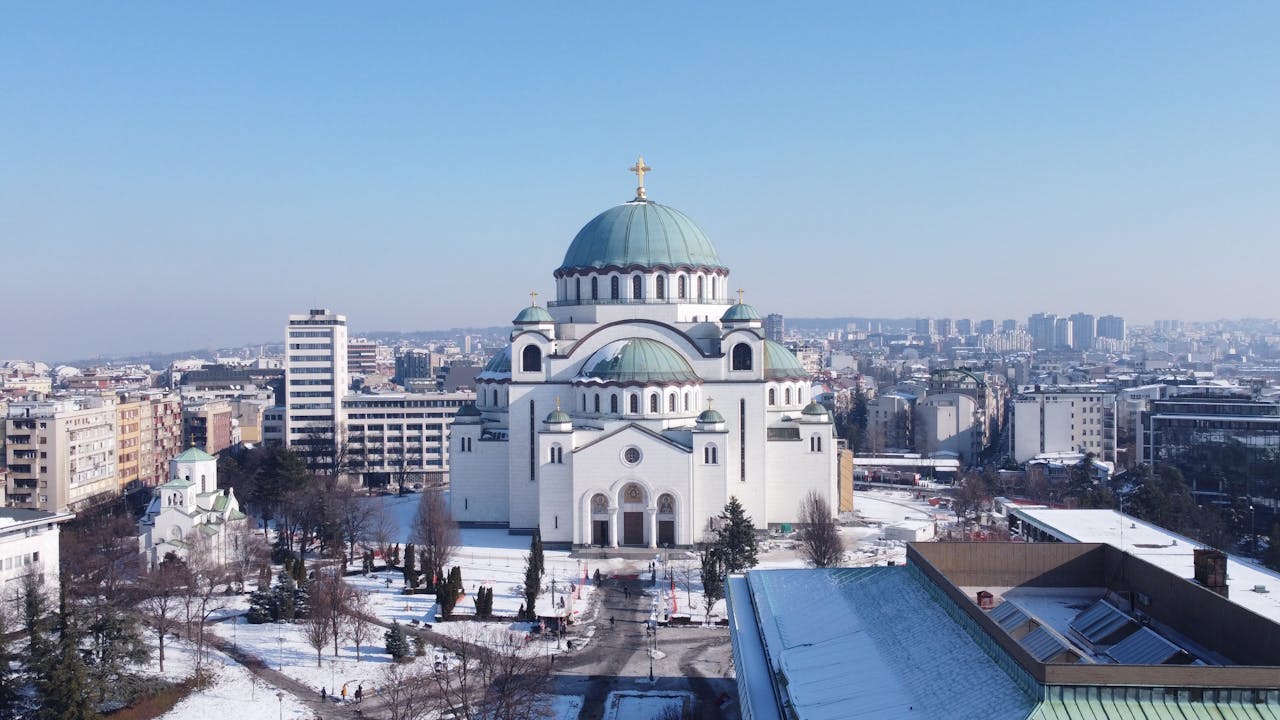
Belgrade, Serbia
The next place you must visit for travel in Europe on a budget is Belgrade. Belgrade is a vibrant city that offers a rich cultural heritage, lively nightlife, and plenty of green spaces. Accommodation and food are affordable, and the city is well-connected by public transportation, making it much cheaper for you to get around the city easily. Explore the Kalemegdan Fortress, the Belgrade Zoo, and the Nikola Tesla Museum, among other things to do in Belgrade, Serbia.
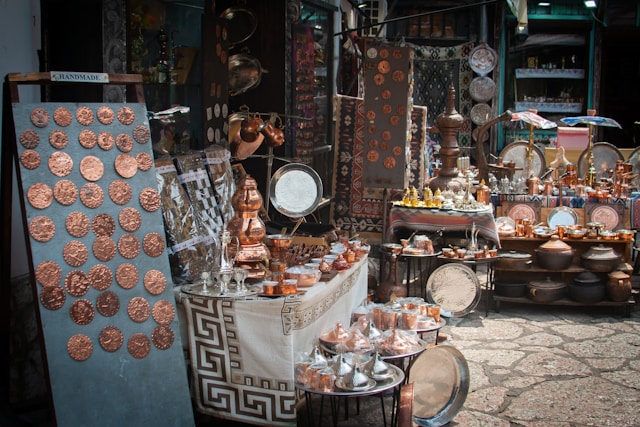
Sarajevo, Bosnia & Herzegovina
The next place to visit for your travel in Europe on a budget is the capital city of Bosnia and Herzegovina. Sarajevo is a historic city that offers a unique blend of Eastern and Western cultures. There are also a lot of things to do in Sarajevo, such as exploring the National Museum of Bosnia and Herzegovina and the Sarajevo Tunnel Museum.
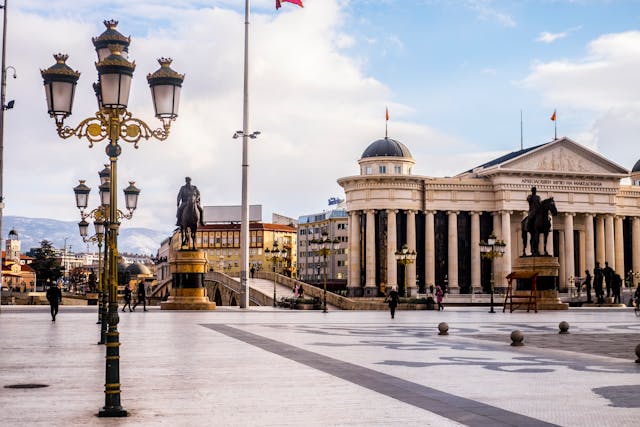
Skopje, North Macedonia
Skopje is a budget-friendly destination for your next travel in Europe on a budget! The city offers a rich cultural heritage, stunning architecture, and plenty of parks and green spaces. If you want to spend your vacation in a place that is not so touristy, this is the place to go. Moreover, while you are here, explore the Skopje Fortress, the Memorial House of Mother Teresa, and the Museum of the City of Skopje.
Plan Way Ahead
The sooner, the better – that is the principle you should live by when planning to travel on a budget. Flight prices skyrocket within a 1-2 months before the departure, even doubling up during the high season. Therefore, securing your flights to Europe at least 6-8 months prior to the trip will help you get the best deals. Besides that, planning ahead allows you to save up for hotels and private transportation. Although accommodation prices won’t rise that much unless it is holiday or high season, booking ahead can save you around €20-100.
Travel in the Shoulder or Off-Season
Timing is king when it comes to saving money while traveling to Europe. You have made a wise decision if you traveled on the shoulder or off-season, which includes spring (April to May) and autumn (September to October). Lots of European countries become crowded and popular during summer and winter, for example Greece in the summer and Austria in the winter.
During this season, you will find cheaper flights and hotels, fewer crowds at major attractions, and more relaxed local experiences. Imagine not having to wait two hours to see Monalisa at the Louvre while securing a €50 per night hotel in the outskirts of Paris, thanks to the off-season. Aside from the ‘classic’ season, TripLeader Giulia, who has hosted trips for more than three years, also recommended to look out for local events and holidays. For example, flights can be more expensive if you visit Spain during La Tomatina festival or Dublin during St. Patrick’s Day.
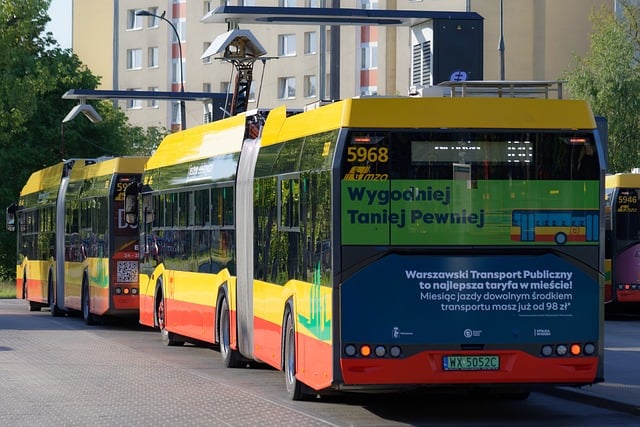
Use Public Transportation
One of the most effective ways to save money when traveling in Europe is to use public transportation. Most European cities have well-developed public transportation systems, including trains, buses, and subways, and they are often cheaper than taking taxis or private cars. In addition, using public transportation is a great way to get around and experience the local culture. If you plan to use public transportation frequently, consider purchasing a travel card or a discount pass that can save you money in the long run.
Stay Outside of the City Center
Accommodation prices rise sharply in city centers. One of the best budget-saving tips for Europe is staying just outside the main tourist zones. TripLeader Monem, a master’s student in Madrid who has been living there for more than three years, recommended to stay in university districts or neighborhoods near metro lines. In that way, you would not sweat on transportation or splurge more for an Uber. Yes, you have to commute further, but also save 30-50% of your accommodation budget.
Stay in Budget Accommodation
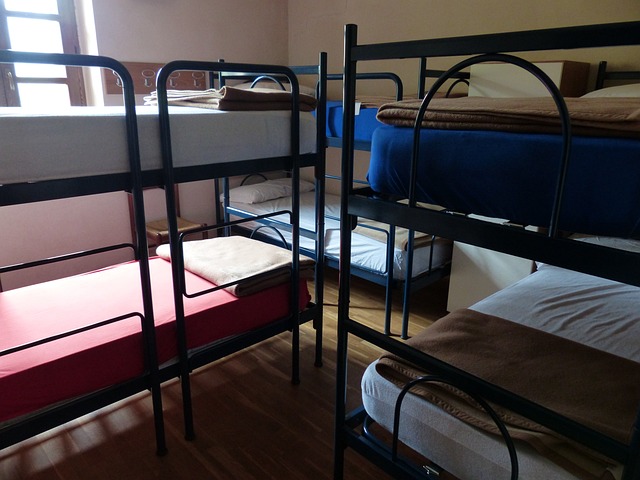
Accommodation is one of the biggest expenses when traveling in Europe, but there are plenty of affordable options available. Consider staying in a hostel or a budget hotel or even renting an apartment or room in a local’s home through platforms like Airbnb. Moreover, staying in a hostel or shared Airbnb will allow you to meet new people and – in a lucky day – share amazing travel experiences together.
Eat Like a Local
Eating in Europe can be expensive, but you can still enjoy the local cuisine without breaking the bank. Instead of eating at expensive restaurants, look for local markets, cafes, and street vendors that offer delicious food at a fraction of the cost. If you stay in budget accommodation, you may also want to consider cooking your own meals. This can save you a lot of money and also give you a chance to try some local ingredients and recipes.
Another way to save money while traveling on a budget in Europe is choosing set menu. European restaurants are known to offer sets including starters, mains, and drink. You can get one of these menu in Paris or Lisbon as cheap as €15.
Take Free or Low-Cost Tours and Activities
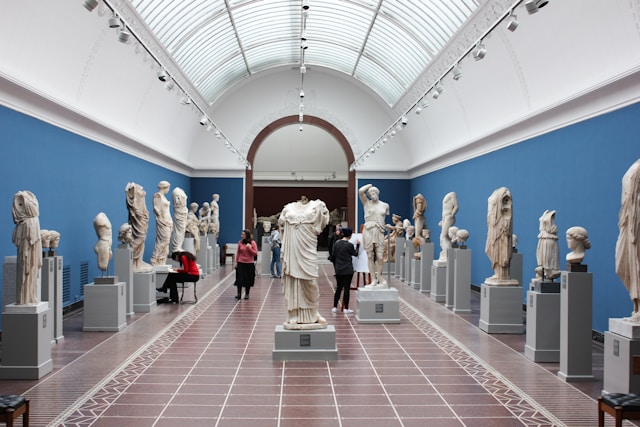
Europe is home to countless museums, galleries, and other cultural institutions, many of which offer free or low-cost tours and activities. Take advantage of these opportunities to explore the city and save money at the same time. In addition, many cities also offer free walking tours, which can be a great way to learn about the history and culture of the city while getting some exercise.
Use Discount Cards and Coupons
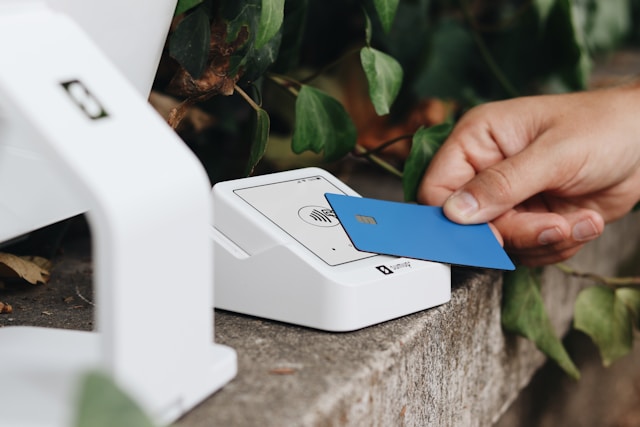
Before you travel, research these options and consider purchasing a discount card to save money while you explore. Many cities in Europe offer discount cards and coupons that can save you money on various attractions, transportation, and activities. This way, you can save hundreds of euros and use it for other necessary things for your travel in Europe on a budget.
Pack Smart and Light
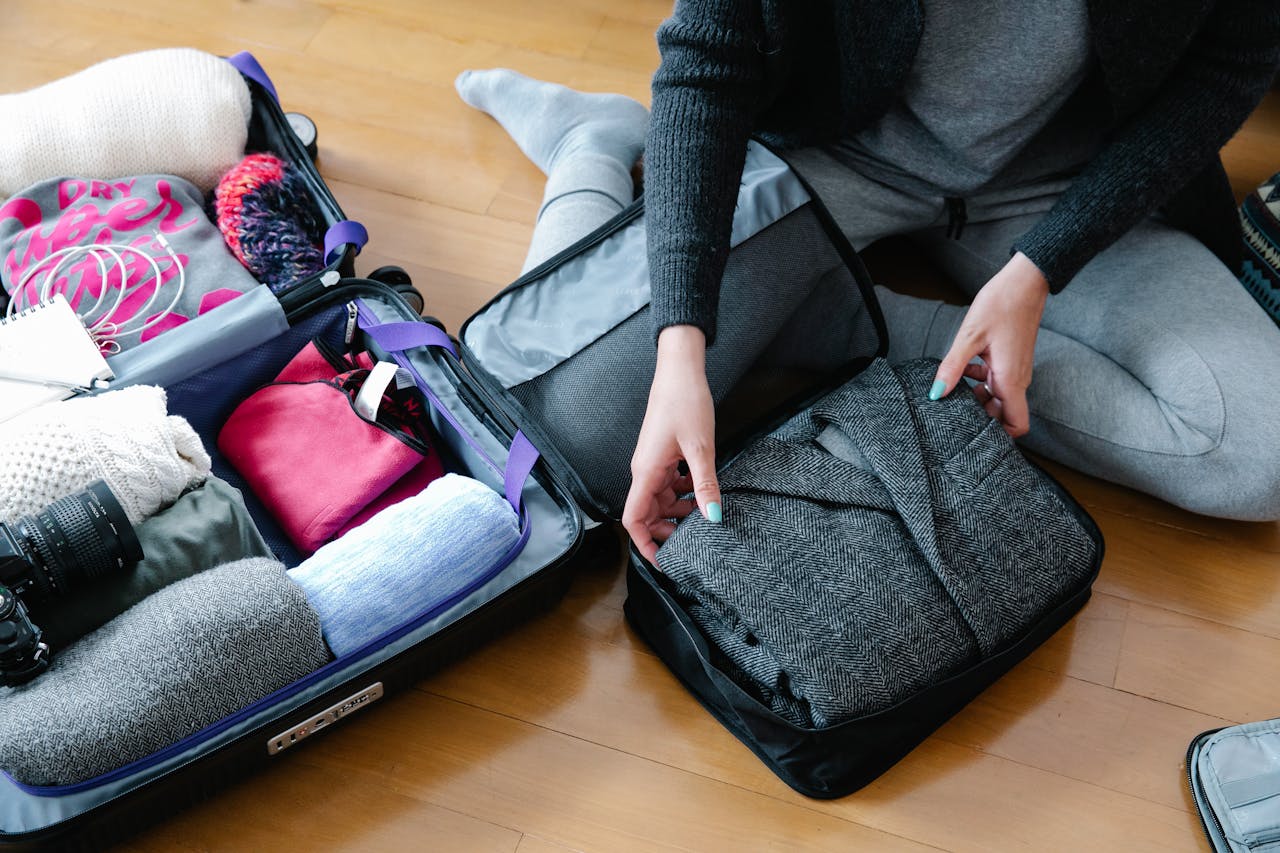
Poor packing can quickly lead to unnecessary expenses, especially when flying within Europe where budget airlines charge high fees for checked luggage. Packing smart by sticking to carry-on luggage, choosing versatile layers instead of bulky clothing, and bringing essentials like a reusable water bottle, basic medication, and travel adapters, can significantly reduce extra costs. Avoiding baggage fees alone can save you an amount equivalent to several nights of accommodation, while also making travel easier, faster, and more flexible throughout your trip.
Skip Fancy Souvenirs
No, your friends and family at home won’t hate you a crafted Italian leather wallet or a box of Ladurée macarons. Souvenirs, especially in gift shop, can take most of your travel budget and it is not an obligation to splurge on. Then, if you want to have a keepsake of your trip or bring a nice gift home, you can choose other types of souvenirs. Nothing fancy, but they are budget-friendly and authentic. Here are our recommendations:
- Postcards
- Polaroid photos
- A notebook with messages or life lessons from people you meet along the way
- Dried fruits
- Art piece or jewelry from a local vendor (far from tourist attractions)
Bring a Water Bottle
Travel Slower
“Traveling slower, just focusing on one city or destination instead of a lot of them has been a game-changer. It is an underrated money-saving hack that everyone needs to know,” said TripLeader Josh, who had a few successful and budget-friendly trips in his hometown London. By staying longer in one destination, you reduce travel expenses, unlock discounts on accommodation, and have more time to explore cities on foot. Slow travel also allows for deeper cultural experiences, better local connections, and a more relaxed trip overall.

Traveling as a Group
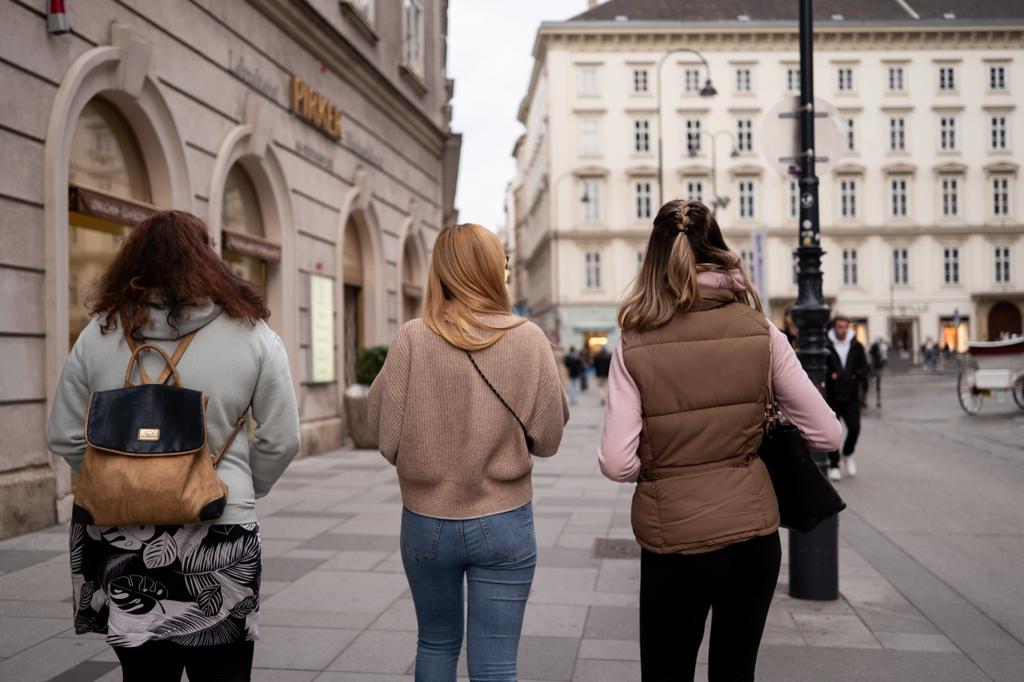
Traveling in Europe as a group can be both cheap and a lot of fun. One of the main benefits of traveling in Europe on a budget in a group is the ability to split expenses such as accommodation, transportation, and food. By sharing these costs, the overall cost per person is significantly reduced. Additionally, traveling in a group provides a sense of security and companionship, which can make the experience more enjoyable.
Furthermore, traveling in Europe on a budget with a group allows for opportunities to plan and participate in group activities, such as guided tours, that may not be feasible for individuals traveling solo. These experiences can create lasting memories and bring a sense of excitement and adventure to the trip. JoinMyTrip just has that kind of experience for you! You can get around exciting places around the world with our like-minded TripLeaders, who will level up your vacation experience! Book a trip with us now!