
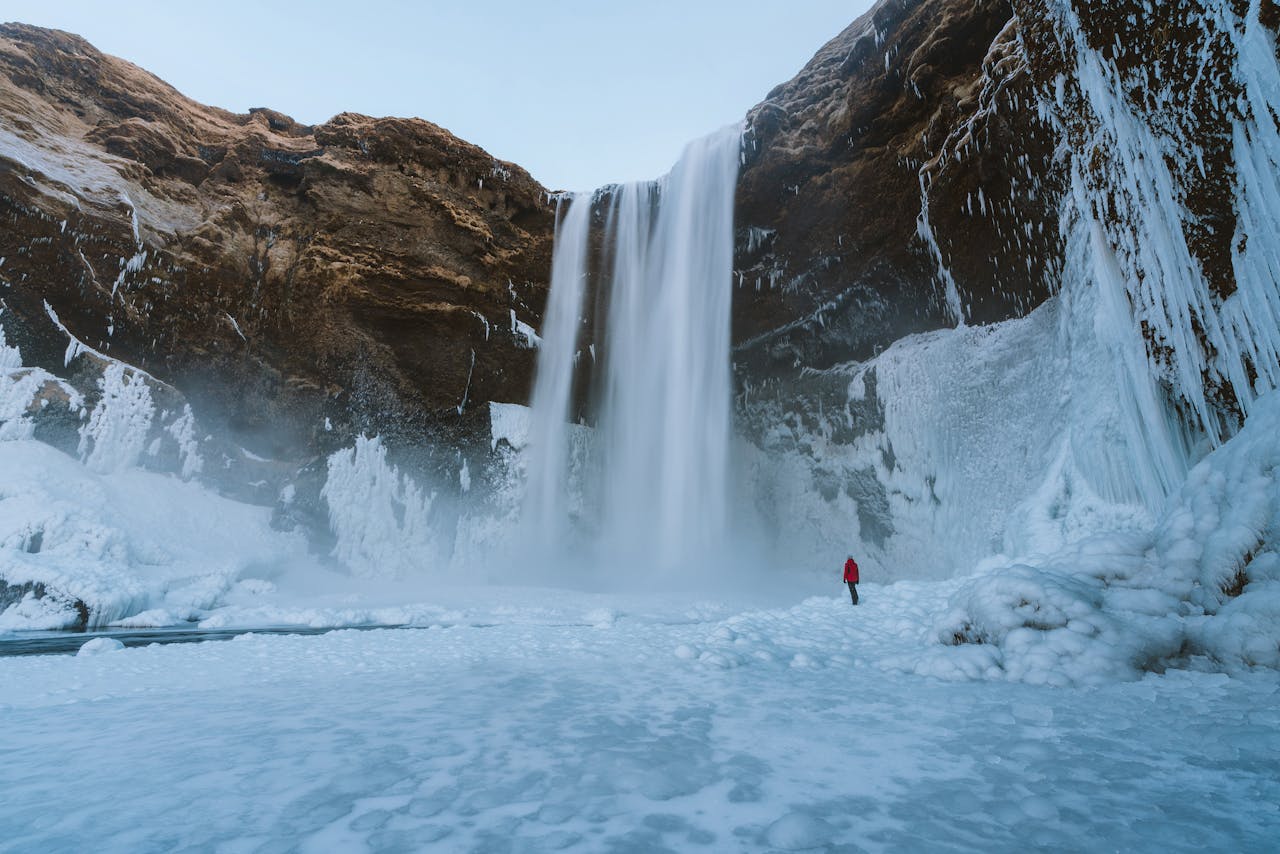
Winter in Iceland is nothing short of magical. This is the season when the country’s wild landscapes feel even more dramatic, the nights glow with the Northern Lights, and the geothermal pools become your best friend. And yes, on the other side of the coin, it is the time when Iceland is freezing and dark. Regardless, spending the winter in Iceland is an adventure of a lifetime that you would talk about for years to come.
This guide breaks down everything you need to know—from weather and best travel months to top destinations, costs, and packing tips. Thanks to our experienced TripLeaders, who has been hosting trips around Northern Europe for more than three years. So, if you’re planning a snow-filled escape, find everything you need in this guide.
Winter in Iceland Guide – Summary
- What Does Iceland Look Like in Winter?
- When Is Winter in Iceland?
- What Winter Month Is the Best to Visit Iceland?
- Top Things to Do in Iceland in Winter
- Top Winter Destinations in Iceland
- Winter Travel Costs
- Practical Tips for Winter in Iceland
- Is Winter in Iceland Worth It?
What Does Iceland Look Like in Winter?
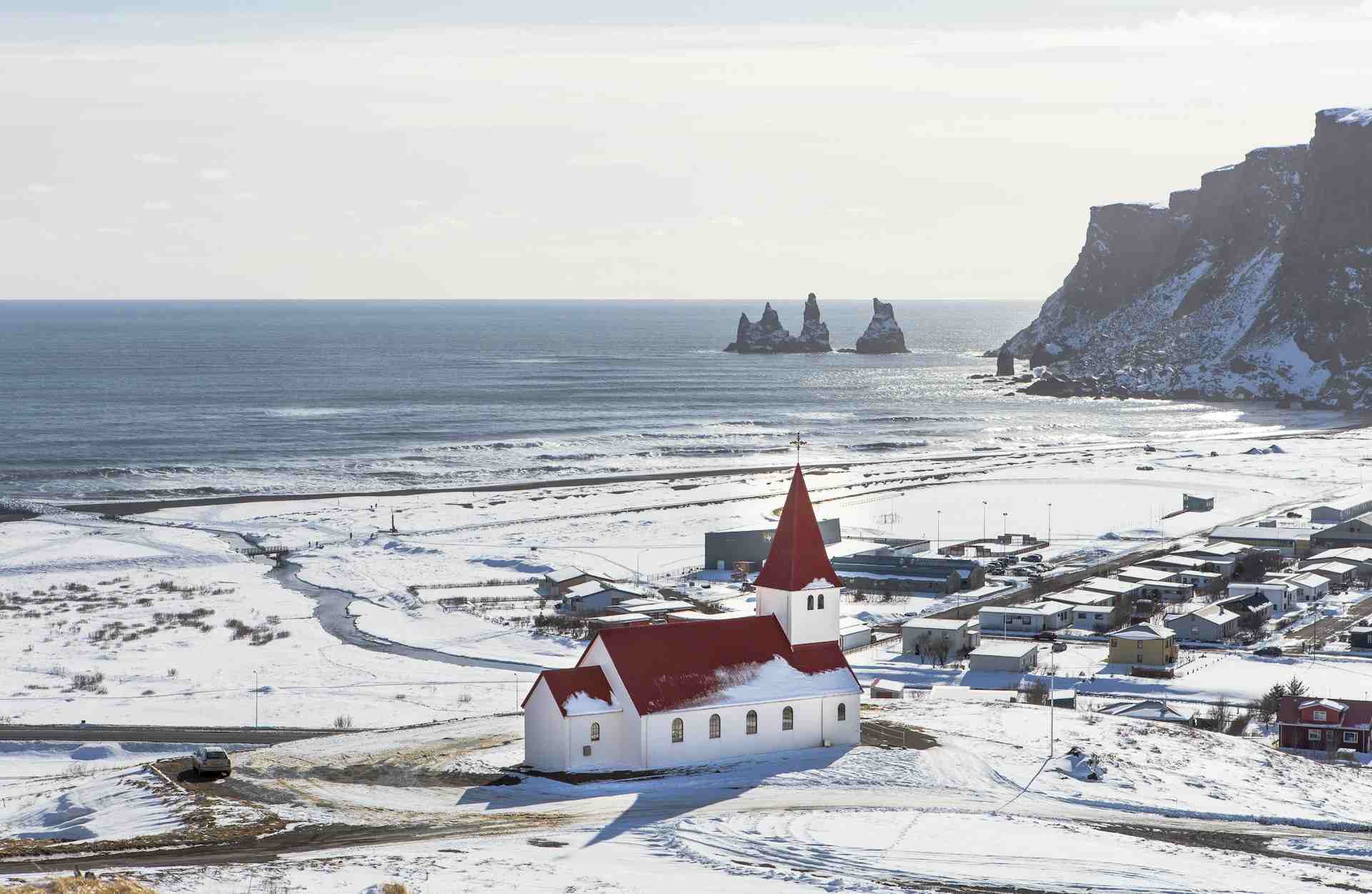
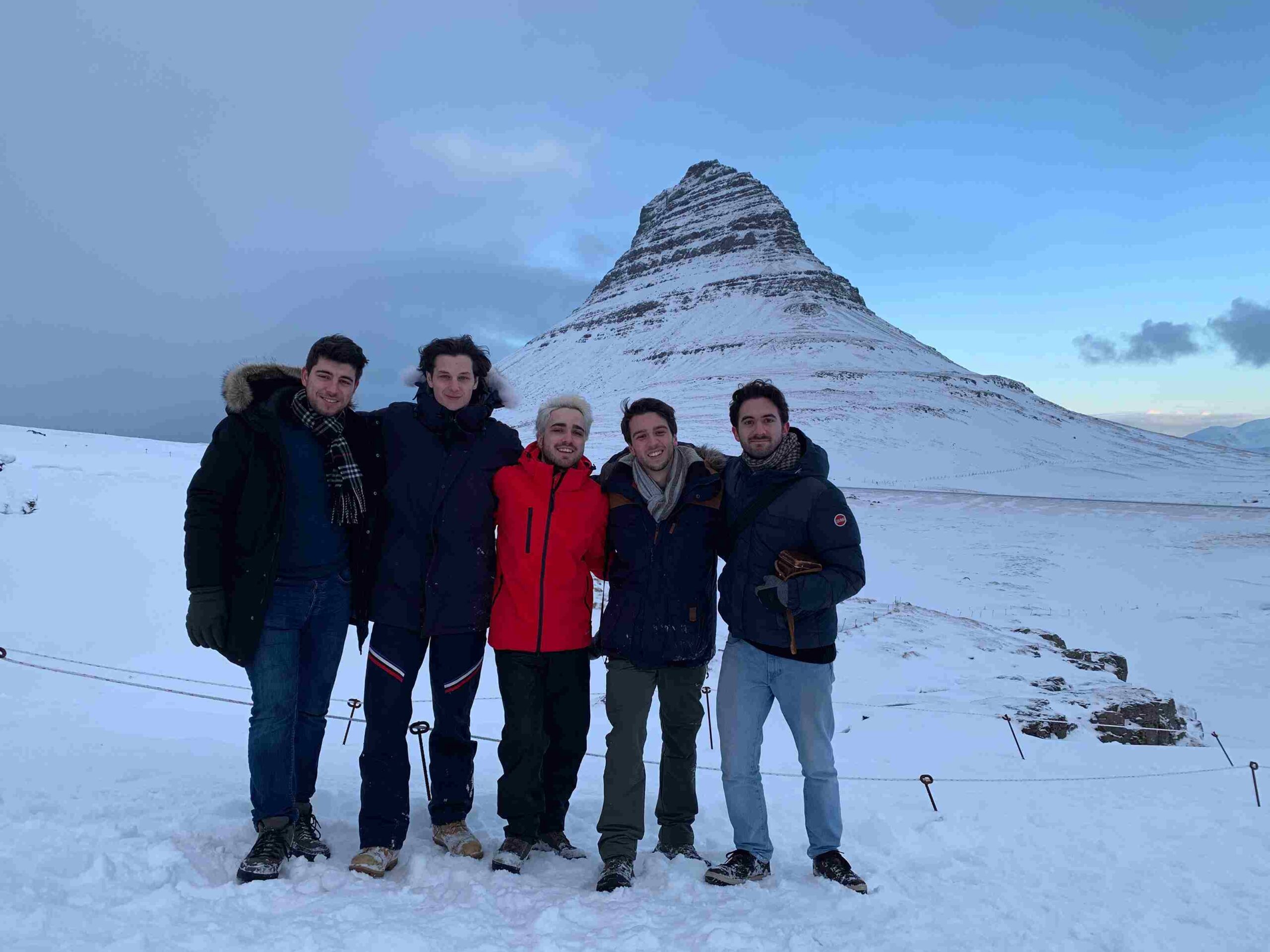
Winter turns Iceland into a both gloomy and magical wonderland. As snow covered mountain tops and warmly-lit cities, Iceland’s landscapes look like they are coming straight out off a postcard. It is the time where adventure calls, as the Northern Lights dance in the night sky and ice caves froze to invite travelers to unearth.
Keep in mind that winter in Iceland means shorter daylights. Sun shines for 4-5 hours per day and that’s it – replaced by cold hues of twilight. With temperatures ranging around -2°C – 3°C in the capital and the lowlands, make sure to pack thick thermal jackets. Moreover, the highlands features colder temperatures, reaching -14°C. Last but not least, winter in Iceland brings chilly wind and frequent showers, beckoning you to plan a flexible itinerary especially if you want to visit outdoor attractions.
When Is Winter in Iceland?
Winter in Iceland generally runs from late November to March, though temperatures and daylight change throughout these months. The coldest weeks are usually from December to February.
Here’s a quick breakdown:
- November: The start of winter weather with temperatures hovering around 4°C. Weather can be very unpredictable with rain, sun, and fog in the same day.
- December–January: Deep winter with the shortest daylight hours; weather is still unpredictable and average temperatures can reach freezing point (0°C)
- February–March: Longer days, more stable weather, still excellent for winter activities.
What Winter Month Is the Best to Visit Iceland?
It depends on what kind of experience you want:
- Best for Northern Lights: February is an excellent month—based on insights from our host TripLeader Vasyl, who has been running trips around Northern Europe since 2022. It offers clear skies, longer daylight, and high aurora activity.
- Best for Ice Caves: December to March is prime ice-caving season, as the caves are more stable and safe to enter.
- Best for Road Trips: March gives you fewer storms and safer driving conditions, but still keeps that winter charm.
- Best for Overall Experience: February hits the sweet spot of events, daylight, auroras, ice caves, and stable(ish) roads.
Top Things to Do in Iceland in Winter
Winter doesn’t shut Iceland down, it unlocks activities you can’t do in summer. Here are some must-dos recommended by our experienced travelers:
Go on a Road Trip
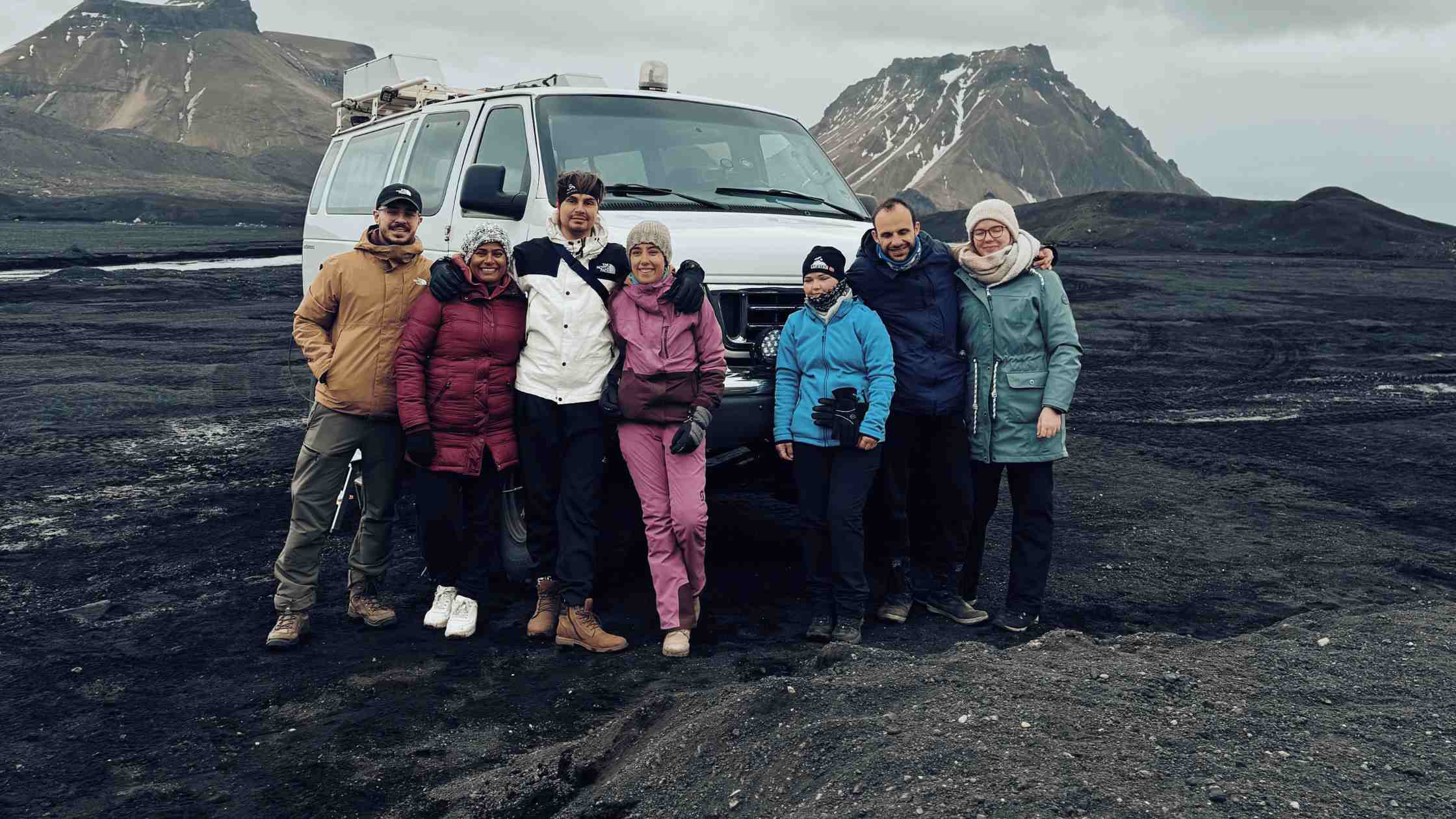
Iceland’s vast landscapes and wild terrains are best to be discovered on a road trip, regardless the adventure. Vasyl mentioned that driving allows you to reach inaccessible places and gives a full view of Iceland’s insane winter landscapes. “I also highly recommend renting a 4×4 vehicle. Driving in Iceland in winter is not the safest due to snow and ice, so a good vehicle gives you more confidence and safety,” he added.
Soak in Thermal Pools
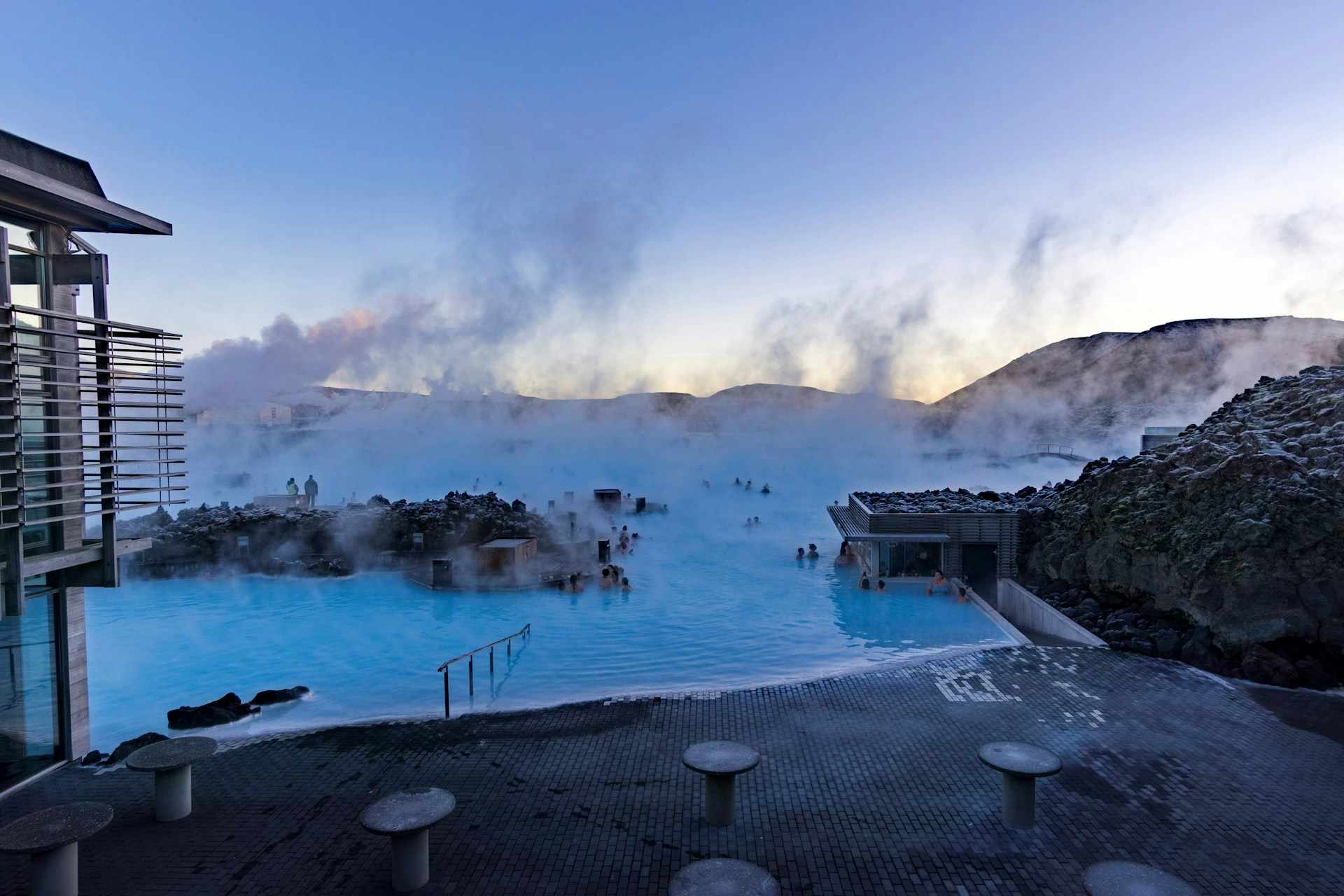
TripLeader Louise, who hosts group trips for people in their 50s+, prioritizes comfort even when traveling to an adventure-packed destination like Iceland. She is fond of the geothermal pools of Iceland and recommends everyone to not miss them in winter. “When you can’t feel your toes, it is amazing to dip into geothermal pools such as My’vatn Natural Pools. Or Blue Lagoon, that is just a stone’s throw away from Reykjavik,” she advised.
Chase the Northern Lights
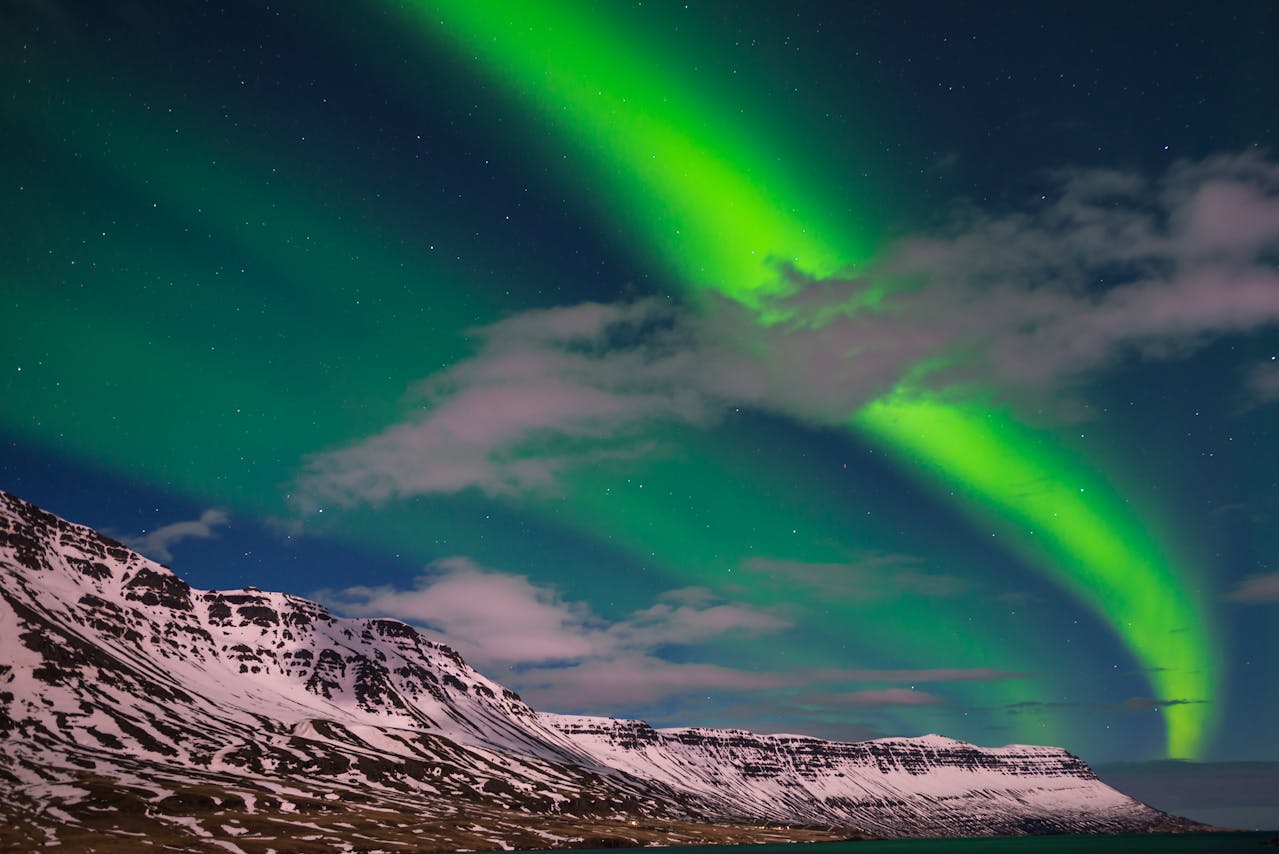
Iceland is one of the world’s best aurora destinations. Although the lights have appeared since late summer, winter offers the perfect canvas due to dark, long nights. When visiting Iceland during winter, you can test your fortune by going aurora hunting every night. Wondering which month is the best to see the Northern Lights? Vasyl recommended visiting in February, especially for 2026, as the Northern Lights are powerful and the unpredictable weather starts to stabilize.
Then, where are the best places to see Northern Lights in Iceland? Here are some recommendations from Vasyl:
- East Iceland (Jokulsaron Glacier, Vestrahorn Mountain (Stokksnes))
- Thingvellir National Park
- North Iceland
Explore Ice Caves
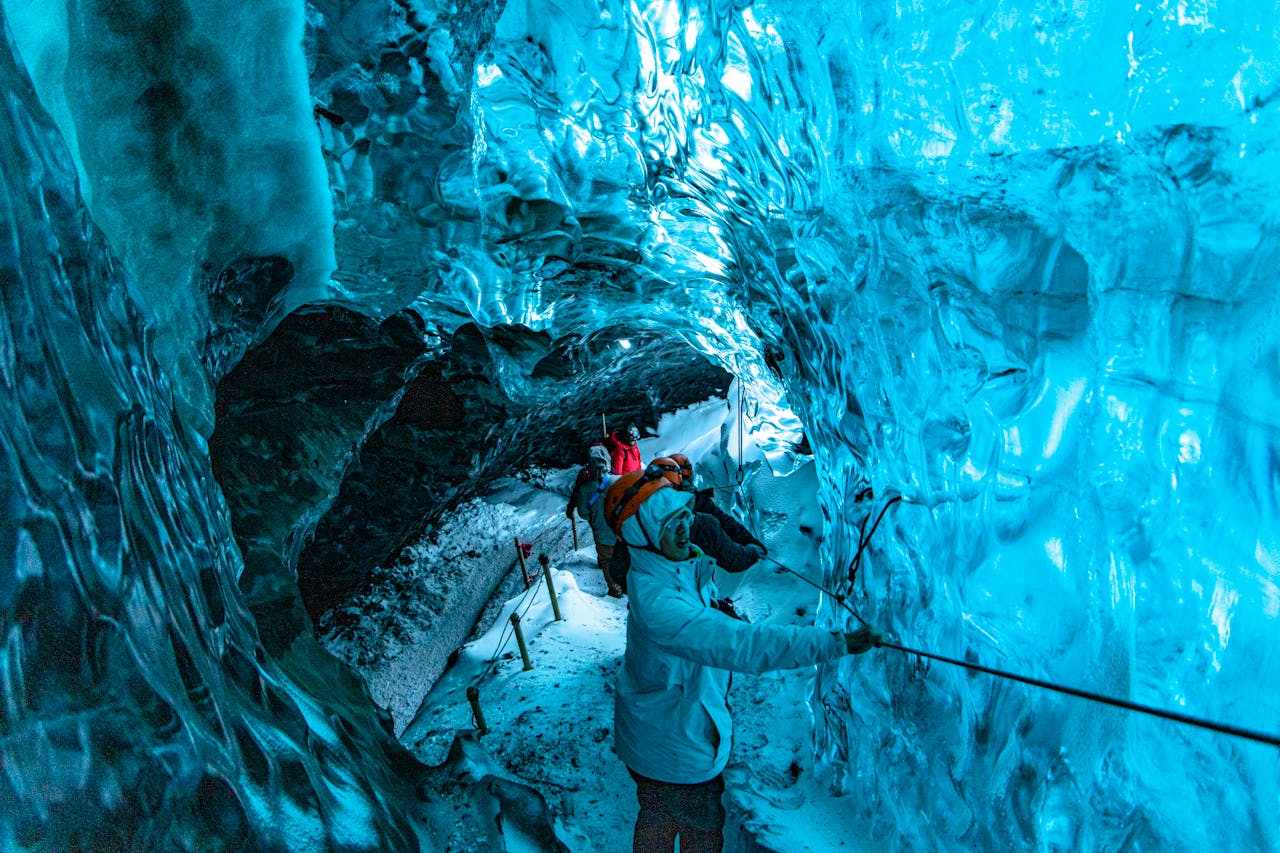
“Winter is the only time you can explore Iceland’s ice caves. And i assure you – they are once-in-a-lifetime material! You can go inside the caves with an experienced guide and see the unique tunnels,” said TripLeader Valentina, an avid traveler who has hosted trips for four years. We agree with Valentina – the ice caves inside of Iceland’s glaciers are unreal. The shades of blue, the ancient creaks, and the icy tunnels will make you feel like you are in another planet.
A tip from Valentina: Book the ice caves tours quickly, especially in the most popular Vatnajökull Glacier
Waterfall Sightseeing
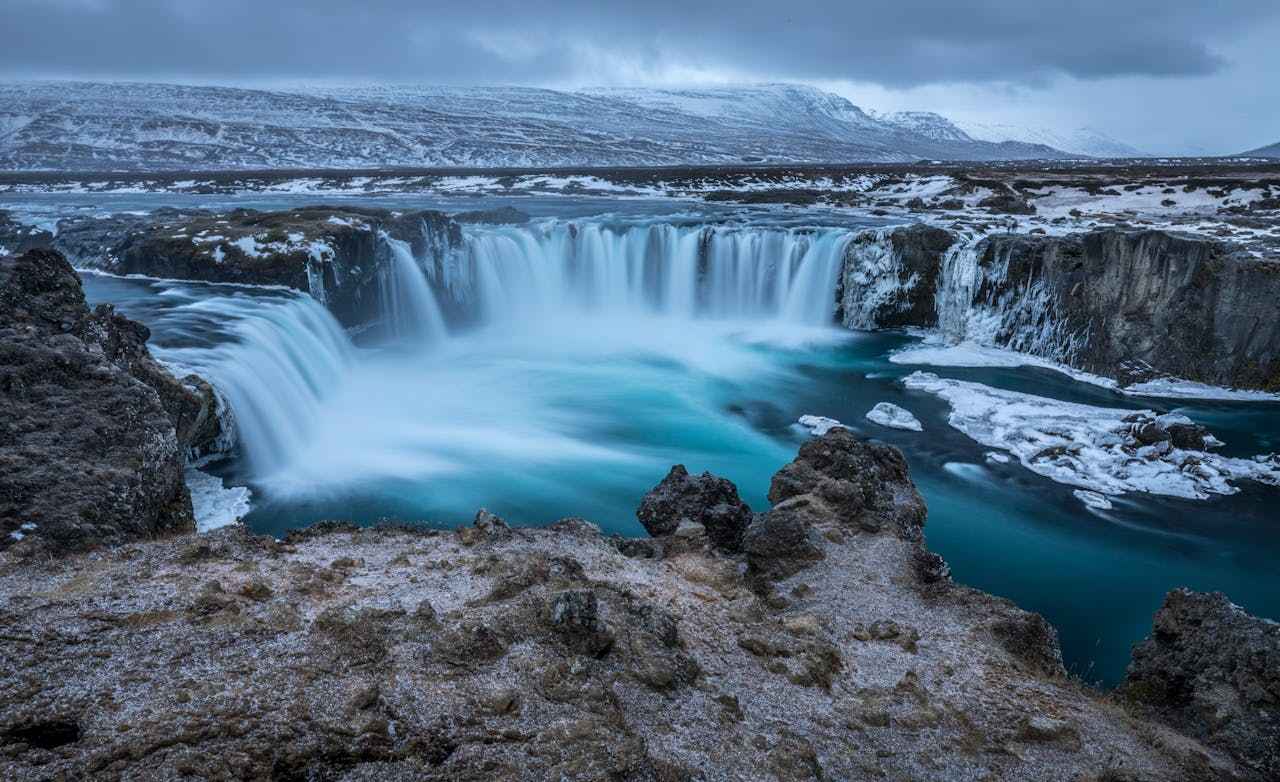
Some waterfalls partially freeze, creating half-frozen masterpieces. They’re powerful year-round, but winter adds an even more dramatic touch. The best winter waterfalls include:
- Skógafoss
- Seljalandsfoss
- Goðafoss
- Gullfoss
Top Winter Destinations in Iceland
These regions offer stunning winter views, unique activities, and unforgettable experiences.
Reykjavík
The capital becomes cozy and festive during winter. Expect warm cafés, vibrant nightlife, museums, and great food. It’s also your base for many day trips—including the Golden Circle and Blue Lagoon.
Things to do:
- Swim at Sky Lagoon
- Visit Hallgrímskirkja
- Explore Harpa Concert Hall
- Join Northern Lights tours
Vík
Located along Iceland’s southern coast, Vík is famous for its black sand beaches and dramatic basalt cliffs. In winter, this area is especially scenic with snow-covered volcanic landscapes.
Top highlights:
- Reynisfjara Beach
- Dyrhólaey cliff
- Nearby waterfalls
Eastern Iceland
More remote, more peaceful, and perfect for travelers who want to escape the crowds. In winter, the Eastfjords look like postcards—snowy mountains, fjords, and tiny fishing villages.
It’s incredible for:
- Wildlife spotting (reindeers!)
- Quiet roads
- Authentic Icelandic culture
Kolgrafarfjörður Fjord
This fjord, located on the Snæfellsnes Peninsula, is a hidden gem in winter. Photographers love it for its reflective waters, iconic bridges, and ideal conditions for aurora watching.
Best for:
- Scenic winter photography
- Northern Lights viewing
- Peaceful nature escapes
Akureyri
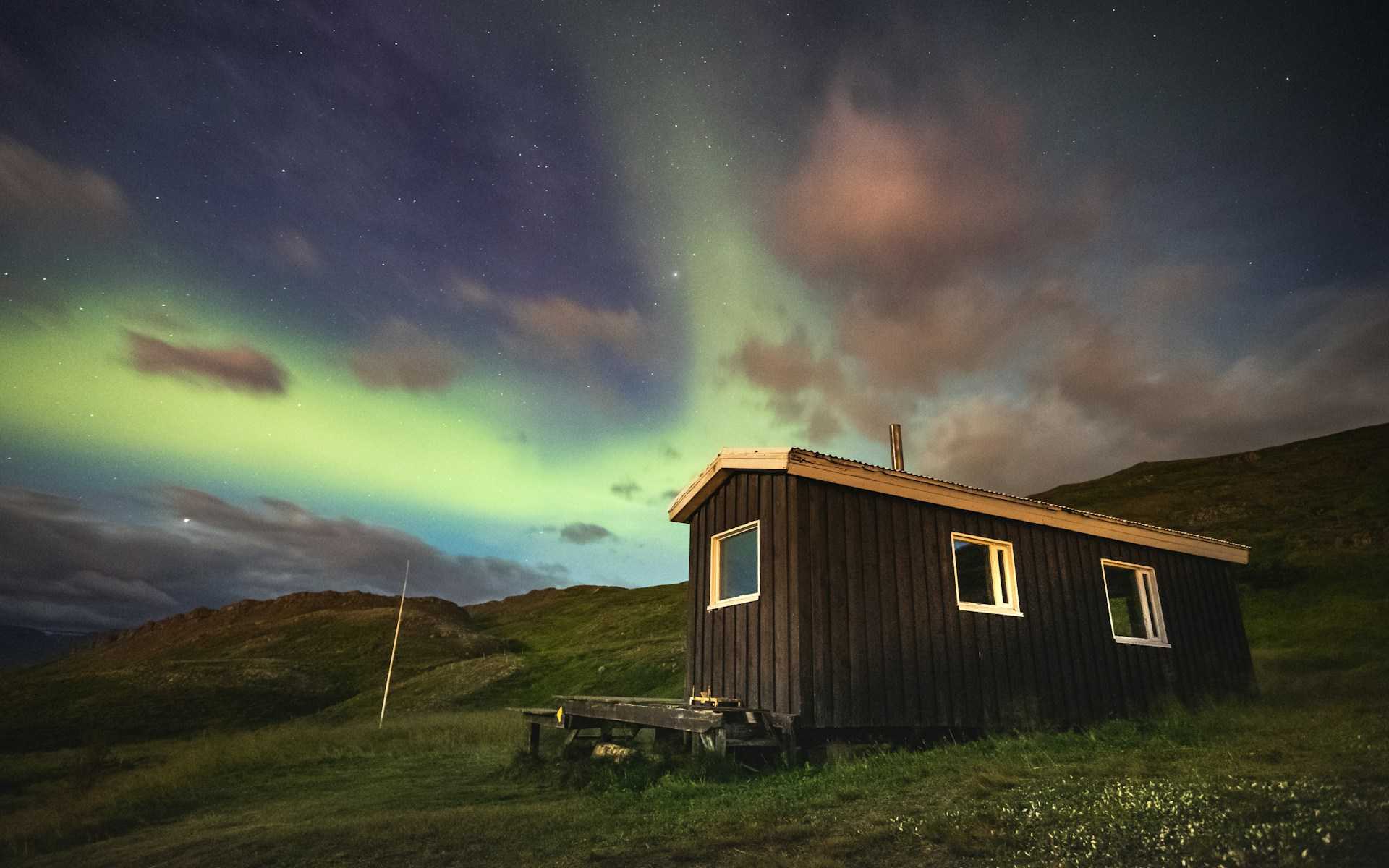
TripLeader Gabriel, who hosts ski trips around Europe, found out about Akureyri from his local friend. Thus, it becomes his personal Iceland go-to due to the laidback vibes, carefree cafe culture, and stunning mountainous landscapes. Akukeyri is one of Iceland’s northernmost towns that serve as a gateway of amazing winter experiences. Plus, it is an underrated place to see the Northern Lights – scribble Akukeyri down for your next Iceland itinerary.
Winter Travel Costs in Iceland
Iceland is not cheap—but winter can be surprisingly more budget-friendly than summer.
Average Costs:
- Accommodation: €80–€200 per night (cheaper in February and March)
- Car Rental: €60–€120 per day for a 4×4
- Meals: €15–€25 for casual dining; €40–€70 for higher-end
- Tours:
- Northern Lights: €50–€120
- Ice Caves: €120–€200
- Blue Lagoon: €65–€100
How to Save Money:
- Visit in February or March
- Stay in guesthouses instead of hotels
- Cook some meals
- Join group trips to split costs
- Use Bonus or Krónan supermarkets
Packing Tips for Iceland in Winter
Winter weather in Iceland is unpredictable. You need warm, waterproof, and windproof gear.
Essentials:
- Thermal base layers
- Insulated jacket
- Waterproof outer shell
- Wool sweaters
- Gloves + hat + scarf
- Waterproof boots with good grip
- Ice cleats (for slippery surfaces)
- Warm socks (merino wool recommended)
Optional But Useful:
- Swimsuit (for thermal pools)
- Portable car charger
- Reusable water bottle
- Hand warmers
- Moisturizer & lip balm
Practical Tips for Winter in Iceland
Keep an Eye on Weather Forecasts
Weather can change fast, especially in the north and east. So, check road and weather updates daily in these platforms:
Book Activities Early
Winter tours often sell out months in advance, especially ice cave tours.
Respect Nature
Stay away from cliff edges, big waves, and closed paths. Iceland is beautiful but raw.
Drive Safely
Only drive if you’re confident. Storms c=an be intense. When in doubt, join guided tours.
Daylight is Limited
Plan your sightseeing around available daylight hours—from as little as 4 hours in December to 8+ hours in March.
Is Winter in Iceland Worth It?
Absolutely—if not, more than summer. You get fewer crowds, cheaper deals, Northern Lights, ice caves, dramatic snowy landscapes, and the coziest geothermal experiences.
Winter in Iceland is a travel memory you’ll talk about for years.
Join Iceland Winter Trips with Experienced Travelers
Want to explore Iceland in the safest, most exciting way? Join group trips hosted by experienced travelers at JoinMyTrip. Discover ice caves, chase auroras, soak in hot springs, and road-trip through Iceland’s winter wonderland with people who know the terrain well.