
















India - India Tiger Safari & Wildlife Photography Expedition | Bengal Tigers & Asiatic Lions - JoinMyTrip
India - Delhi - India Tiger Safari & Wildlife Photography Expedition | Bengal Tigers & Asiatic Lions
India - Jabalpur Airport - India Tiger Safari & Wildlife Photography Expedition | Bengal Tigers & Asiatic Lions
India - Bandhavgarh National Park - India Tiger Safari & Wildlife Photography Expedition | Bengal Tigers & Asiatic Lions
India - Bandhavgarh National Park - India Tiger Safari & Wildlife Photography Expedition | Bengal Tigers & Asiatic Lions - 1
About this trip

India Tiger Safari & Wildlife Photography Expedition | Bengal Tigers & Asiatic Lions

identity verified

Identity

Verified
phone verified

Phone

Verified

7 Days30 Days!

Extra cancellation days
only for the first TripMate

Guided trip

Henrique will take the lead and plan your journey for you. Just sit back and enjoy the adventure.

Translate
What's special?
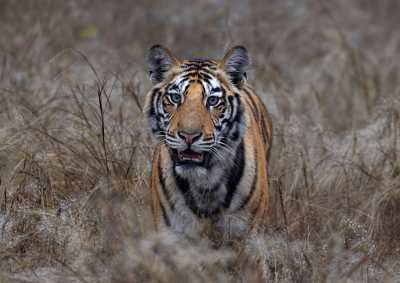
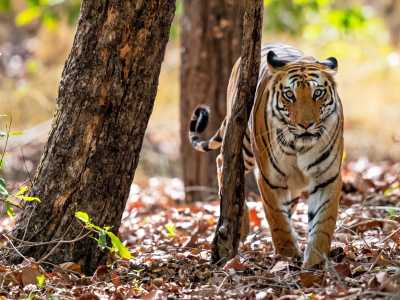
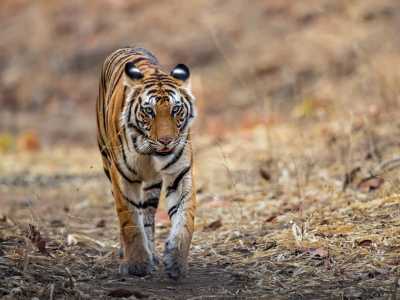
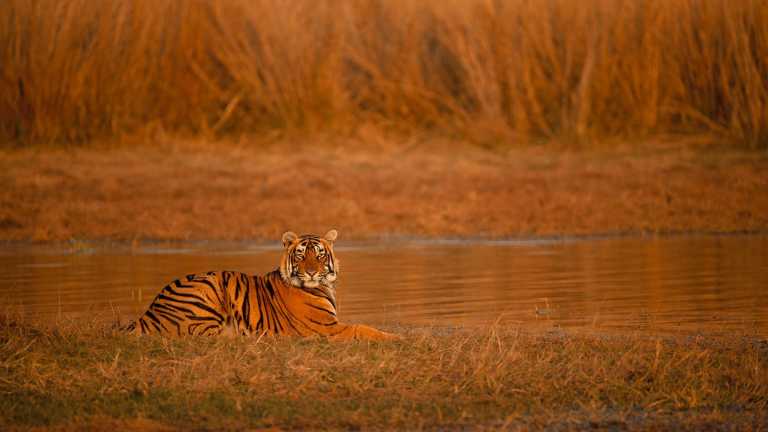
Track wild Bengal tigers up close
Led personally by a zoologist
Small groups
Details about this trip
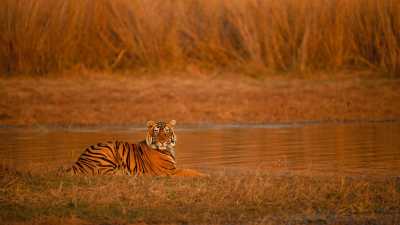
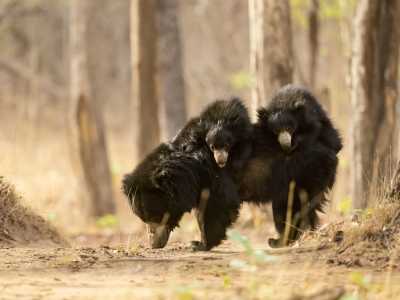
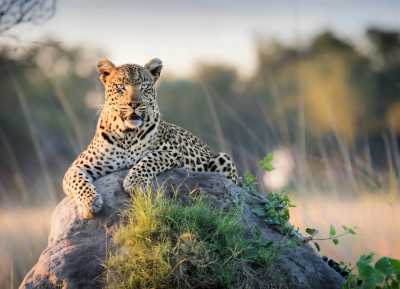
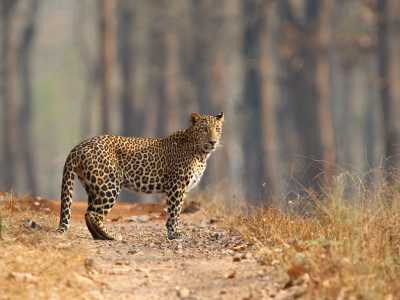
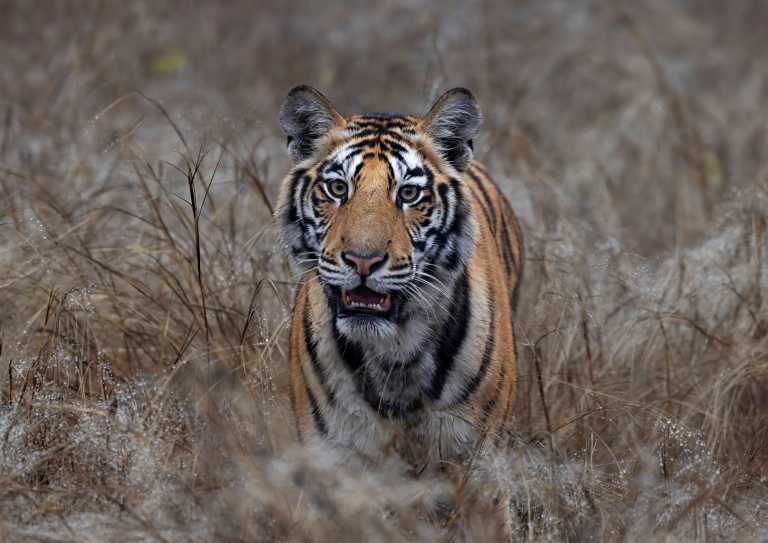
India is tiger country — and that’s where MaiaWildlife takes you. Our expeditions follow the Bengal tiger through some of India’s finest reserves: Ranthambore, Bandhavgarh, Panna, and Sasan Gir, the only place on earth where wild Asiatic lions still roam. ​ You’ll travel in small groups, led by naturalists who read these forests for a living — not just to spot a tiger crossing a track at dawn, but to understand the alarm calls that tell you one is near, the way the whole jungle shifts when a big cat is on the move. Beyond the tigers: leopard, sloth bear, hundreds of bird species, and a landscape of dry forest, ravines and grassland quite unlike anywhere in Africa. ​ We keep groups small and accommodations hand-picked, with conservation and local communities at the centre of how we work. The aim is simple — to get you close to one of the world’s most magnificent predators, in the wild, and home with the photographs and the memory of it.

My name is Henrique Maia. I’m a zoologist, expedition leader and wildlife photographer, and the founder of MaiaWildlife. For more than thirty years I worked as a dressage trainer, learning to read animals through patience and presence — and in 2023 I turned that same attention, full-time, to the wild. Today I lead small groups personally into some of the richest wildlife regions on Earth, not as an operator moving people through a checklist, but as someone who wants you close enough to truly understand what you’re looking at. India is where I want to take you next. After years spent in the great open systems of Africa, India asks something entirely different of us. Here the wilderness is dense, layered and intimate — teak and sal forests, dry riverbeds, tall grass and shifting light, a landscape that hides its greatest animal in plain sight. And that animal is the tiger. To sit quietly in an Indian forest at first light, listening to alarm calls ripple through the trees as a tigress moves unseen toward you, is one of the most charged experiences in all of wildlife travel. But India is far more than its tiger: leopard, sloth bear, dhole, langur and an extraordinary wealth of birdlife share these forests, and we give them the same attention and respect. So what do we hope for from this expedition? Honestly, we hope for the quiet moments as much as the dramatic ones. We hope you leave with photographs you’re genuinely proud of — but, more than that, with a real sense of how this ecosystem works, why it matters, and what it takes to protect it. We keep our groups small for a reason: so there is room to learn, to wait, to be patient, and to let the forest reveal itself on its own terms. Come with curiosity and an open mind, and India will give you far more than you expect.

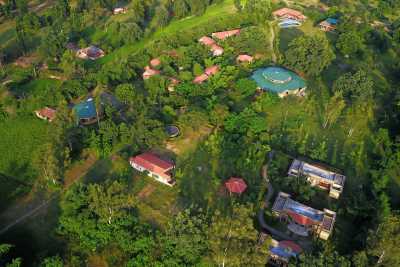
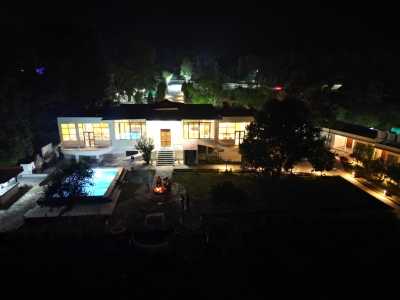
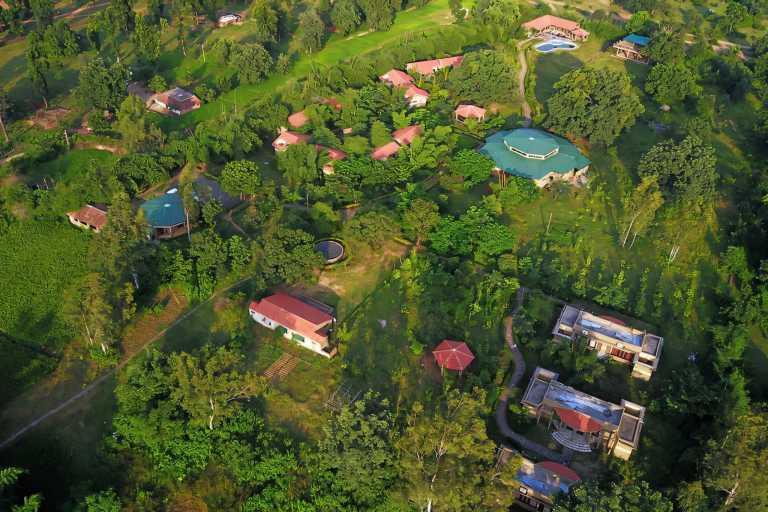
Throughout the expedition you’ll stay in two carefully chosen wildlife lodges, each set right at the edge of the forest so the wild is never far from your door. For the Bandhavgarh leg, we settle into a secluded private lodge tucked within twelve acres of Sal and Mahua woodland, just a short distance from the park gate — handcrafted interiors, generous living space, a swimming pool, and a quiet watchtower from which to watch the birdlife at the close of the day. In Panna, we move to a premium eco-friendly resort beside the wilderness, with spacious rooms, private villas and the kind of calm that lets you truly unwind between drives. 👉 Have questions about the safari experience, photography, accommodation, fitness level, or what to expect during the expedition? Feel free to ask in the Q&A section. I'd be happy to help and look forward to sharing the magic of India's wilderness with you. 🐅🌿📸 All accommodation is in air-conditioned deluxe rooms, and every comfort is taken care of so that, after long hours in the field, you have somewhere genuinely restful to return to. The expedition is priced on a shared-room basis, meaning you’ll share a twin room with another member of the group. If you’d prefer the privacy of your own room, a single-room supplement is available on request (€350 for the full expedition) — simply let us know when you book and we’ll arrange it for you.

What's included?Hide
Domestic flights in economy
All local transfers in an AC vehicle
7 nights in a AC lodge, deluxe rooms
All meals
Purified and bottled water
10 wildlife safaris
Professional driver/guide
24/7 assistance
All applicable taxes
What's excluded?Hide
International Flights
Visa and travel insurance
Camera fees, where applicable
Soft and alcoholic drinks
Personal medical expenses

Trip Cover

Your Booking includes free protection from Trip cancellations.
Learn moreview profile
Your trip itinerary

8 days trip

Delhi, Jabalpur Airport & 5 more

Accommodation

Other

Transportation

Plane, Car

1
1
map marker

Delhi

Day 1
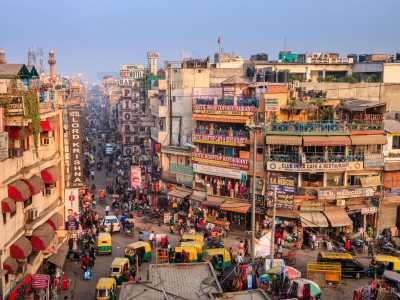
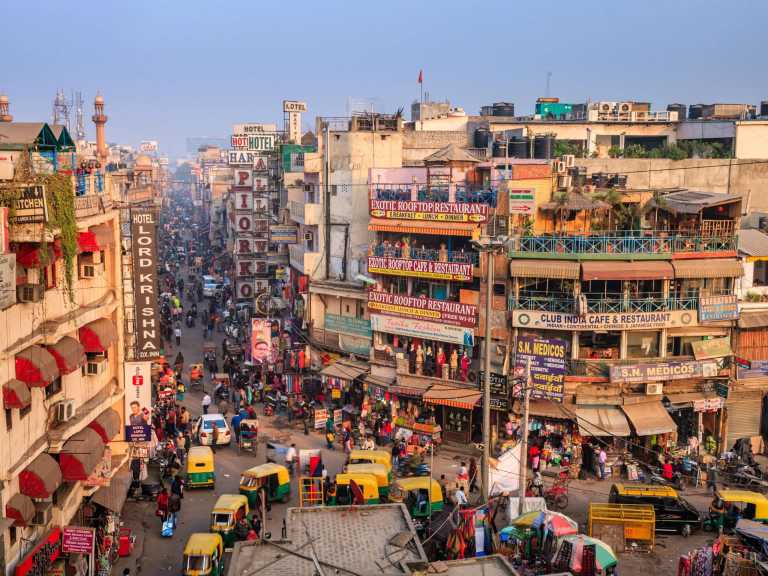
Arriving in Delhi If you’d like to arrive in Delhi a few days before the expedition begins, you’re very welcome to do so. Delhi is a fascinating city, full of history, colour and contrasts, and taking some extra time to explore it can be a wonderful way to ease into the rhythm of India before we head into the forest. Please note, however, that we will all meet together at the airport on the 5th at 7:30 am, in time to catch our domestic flight to Jabalpur. To allow for check-in, security and the occasional Delhi traffic delay, we’d recommend arriving at the airport by 7:00 am at the latest, so we can all travel together with time to spare. From there, the expedition continues as one group. If you choose to arrive earlier, simply arrange your own accommodation in Delhi for those extra nights and make your way to the airport to meet us at the agreed time. If you need any guidance on where to stay or what to see in Delhi, we’ll be happy to help.
2
2
map marker

Jabalpur Airport

Day 1
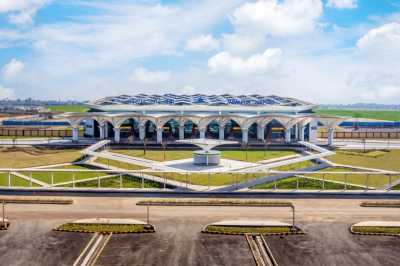
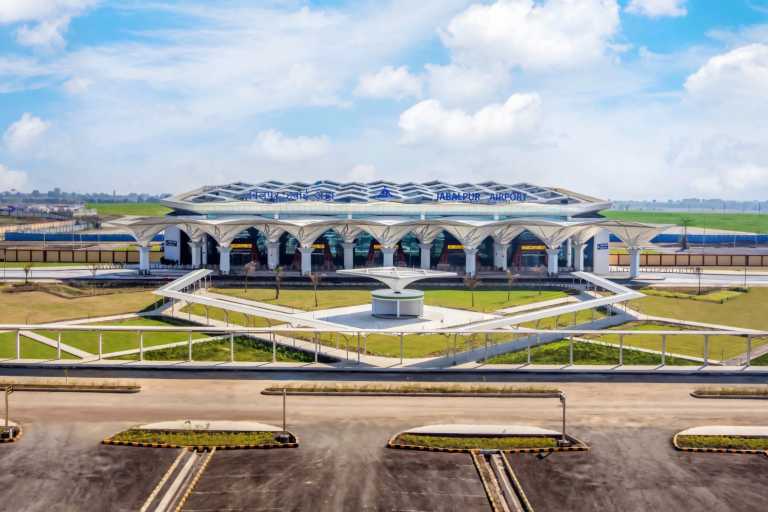
After Delhi we will board the flight to Jabalpur, Madhya Pradesh (10:10–11:35). From there it’s a three-hour drive to our lodge at Bandhavgarh, where we check in and rest for the evening. (There’s only one direct Delhi–Jabalpur flight, so international arrivals should land before 7:00 AM, or the day before.) ​
3
3
map marker

Bandhavgarh National Park

Day 1-3
Jungle Kingdom Aranyar - One of the more secluded lodges in the heart of Madhya Pradesh, set within 12 acres of Sal and Mahua forest, just a kilometre from the park’s Tala Gate. Established in 2013, it’s close enough to Bandhavgarh that the wilderness feels present from the moment you arrive. The rooms are handcrafted and generously sized, with plenty of living space and a large swimming pool. There’s also a birdwatching tower, Nisarga, a good spot to take in the area’s rich birdlife. Whether you’re here to unwind in the quiet of the forest or settle in between drives, the lodge is comfortable, private, and close to the action.
4
4
map marker

Bandhavgarh National Park

Day 3-4
Early starts for the morning safaris — the best chance to find tigers, and other wildlife, in the cool first light. Bandhavgarh holds one of India’s densest tiger populations, and is also good ground for leopard and sloth bear. After the evening drive, we gather to talk over the day’s sightings and India’s wildlife before dinner. Bandhavgarh National Park - Set among the Vindhya hills of Madhya Pradesh, Bandhavgarh covers a core area of 105 km², with a buffer of around 400 km². The terrain is broken and varied — rocky ridges running east to west, forested valleys, grassy swamps and open meadows. The park is famous above all for its tigers, with one of the highest tiger densities in India, and indeed the world. Once the hunting preserve of the Maharaja of Rewa, it also has a singular place in the story of the white tiger: the first was recorded in Rewa, not far from here, and it’s believed that every white tiger now living traces its line back to this area.
5
5
map marker

Panna National Park

Day 4-7
A last morning safari in Bandhavgarh — a chance for the sightings and the frames the earlier drives may have missed. Then we check out and drive to Panna (around five hours), checking into the lodge for the evening. ​ Eriline Resort - Sits directly opposite the Madla Gate of Panna Tiger Reserve — about as close to the park entrance as you can stay, which means no morning commute eating into your safari time. It’s in Madla, in Madhya Pradesh, near the Ken River and within reach of the UNESCO temples of Khajuraho. The rooms and cottages are air-conditioned and comfortable, with private bathrooms and hot water, and there are larger options for families. A straightforward, well-placed base for exploring a park with one of India’s great conservation stories behind it.
6
6
map marker

Panna National Park

Day 7-8
Full days exploring Panna, with breakfast beside the Ken River in the forest. We track the park’s big cats — tiger, leopard, wild dog — across a varied landscape of rock, water and dense vegetation. Panna’s story is one of the most remarkable in Indian conservation: a park that had lost its tigers entirely now has a thriving, breeding population again, which makes every sighting feel earned. (A visit to the UNESCO World Heritage temples of Khajuraho can be swapped for one of the safaris.) ​ Panna National Park - Sits in central Madhya Pradesh, a 540 km² reserve of deciduous forest, gorges and waterfalls along the Ken River. Its story is one of the most remarkable in Indian conservation: by around 2009 Panna had lost all its tigers to poaching — and through a determined reintroduction programme, the park has since rebuilt a breeding population from scratch. Today tigers roam here again, which makes a sighting feel earned. ​Beyond the tiger, Panna holds an unusually rich cast: sloth bear, leopard, Indian wolf, the four-horned antelope (chousingha), the tiny rusty-spotted cat, and gharial along the river, among many others. There’s history in the landscape too — Neolithic rock paintings, and the UNESCO temples of Khajuraho nearby, which also serve as the gateway to the park (the airport is the closest). Winter, November to March, is the most comfortable time to visit, for both the wildlife and the wider landscape.
7
7
map marker

Khajuraho Airport

Day 8
After breakfast we check out and drive to Khajuraho airport (30–45 minutes) to board the flight to Delhi (13:50–15:00) for onward international connections — the central Indian forests still fresh in mind as the trip comes to an end.