












Your trip itinerary![]()
10 days trip
Zeitoun Café Kasbah, Jardin Majorelle & 10 more
Accommodation
Apartments & Hotel & Hostel
Transportation
Car, Train, Trekking
Zeitoun Café Kasbah
Day 1-2
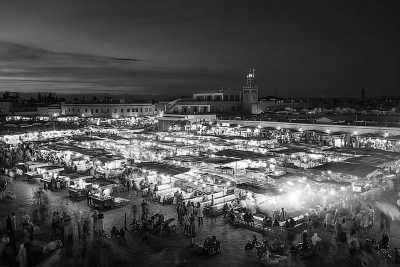
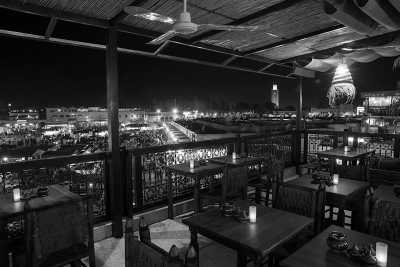
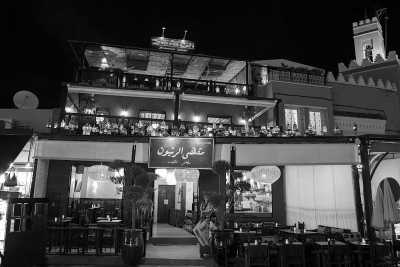
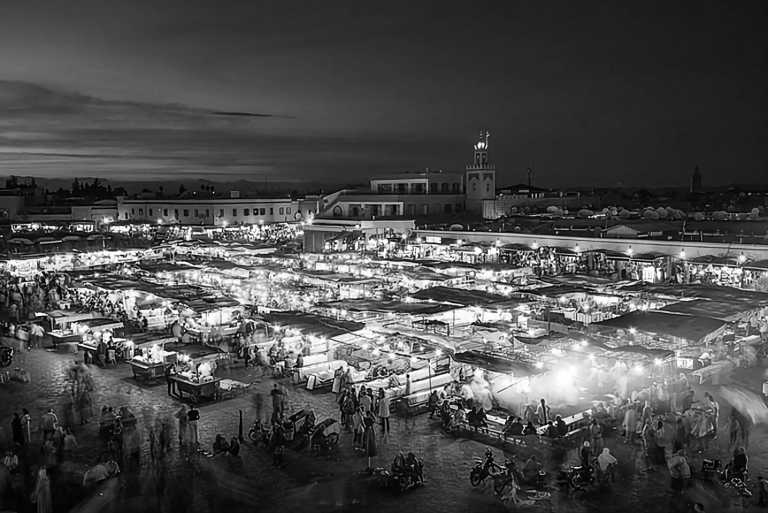
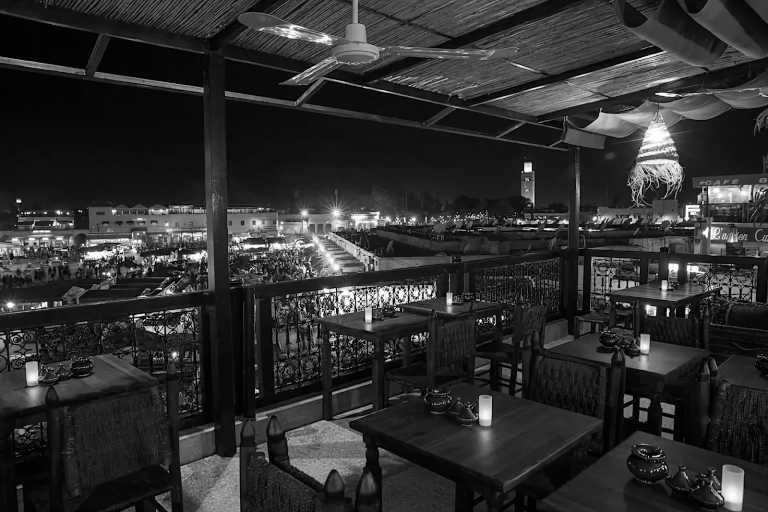
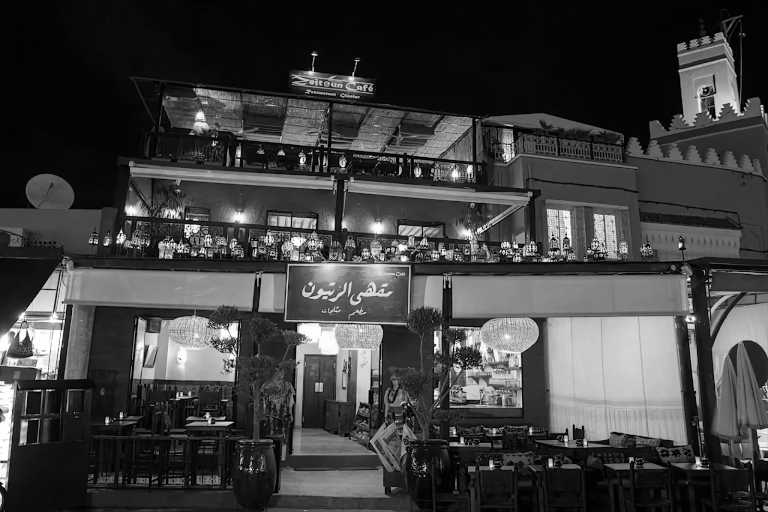
You arrive at Marrakech Menara Airport, where your driver will meet you and transfer you to your riad. After check-in, you can relax for an hour or so. Later, we’ll head to the Zeitoun Café rooftop at Jamaa el-Fnaa to enjoy sunset views, live music, storytellers, and the vibrant street life.
2
2
Jardin Majorelle
Day 2-3
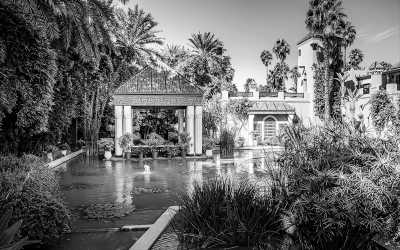
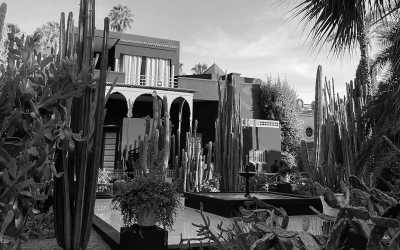
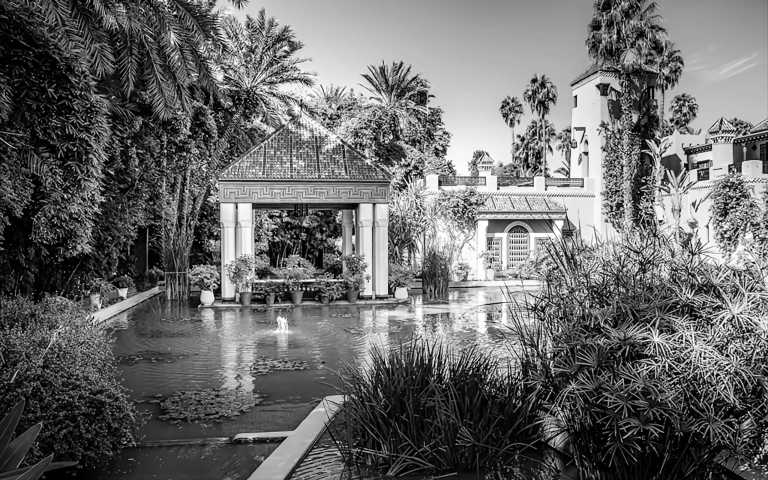
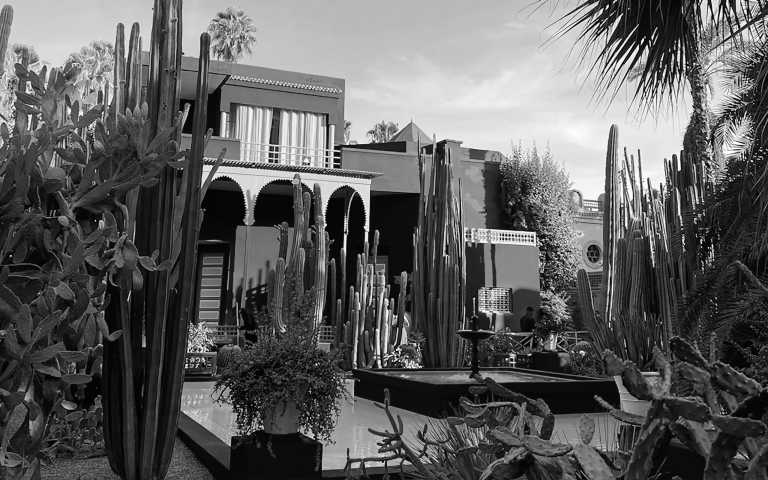
French fashion designer Yves Saint Laurent and his partner Pierre Bergé bought Jardin Majorelle in 1980 to preserve the vision of its original owner, French landscape painter Jacques Majorelle, and keep it open to the public. The garden, started in 1924, contains a psychedelic desert mirage of 300 plant species from five continents. At its heart lies Majorelle's electric-blue art deco studio, home to the Musée Berbère, which showcases the rich panorama of Morocco's indigenous inhabitants through displays of some 600 artifacts.
3
3
Agafay desert excursions
Day 3-4
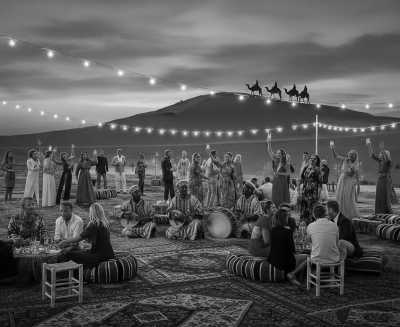
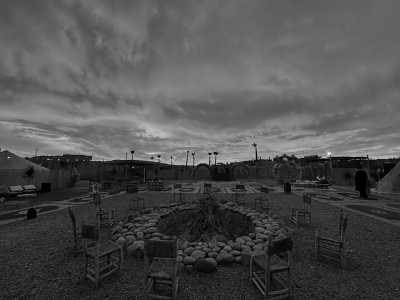
Your adventure begins with pickup from your hotel in Marrakech or the nearest accessible point. Travel south toward the Agafay Desert, admiring the changing landscape as the city gives way to open desert and scattered greenery. Once in the desert, enjoy the stunning sunset over the rocky terrain. The evening continues with a traditional Moroccan dinner under the stars, accompanied by live music and a mesmerizing fire show that brings the desert night to life. After this magical experience, you’ll be returned to your riad in Marrakech, with memories of a truly unforgettable evening.
4
4
Bahia Palace
Day 4-5
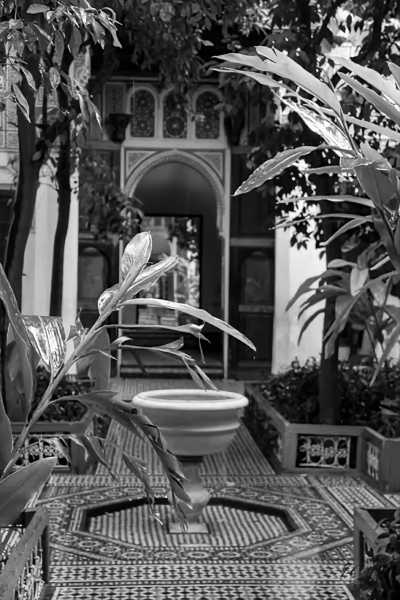
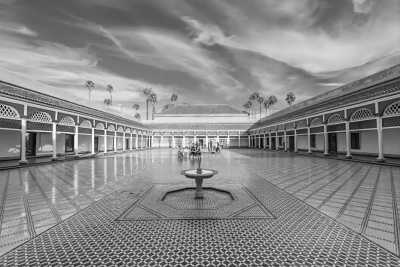
Relax at the Bahia Palace, renowned for its wide, single-level courtyards that require minimal walking and no climbing, making it much easier to navigate than the multi-story medina. Afterwards, we’ll enjoy traditional Moroccan tea and pastries at the Bahia Café restaurant, located next to the palace.
5
5
Bab El Mansour Laalej
Day 5-6
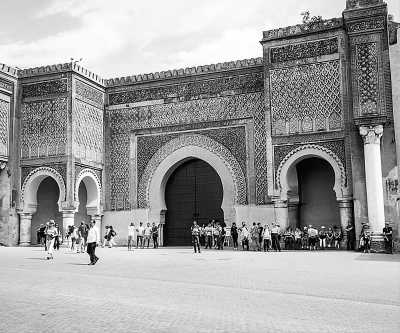
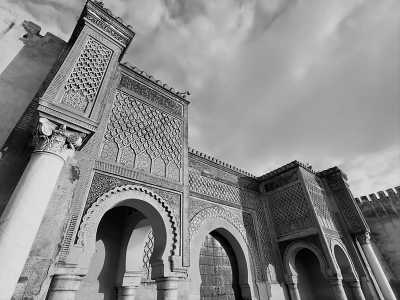
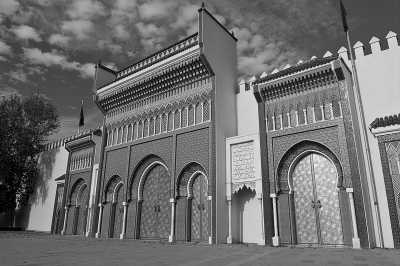
The focus of Place El Hedim is this huge gate, perhaps the grandest of all imperial Moroccan gateways. The gate is well preserved, if a bit dulled by soot, with intricate mosaic tilework and inscriptions across the top. It was completed by Moulay Ismail’s son, Moulay Abdallah, in 1732. You can't actually pass through, though the front door is sometimes open to host exhibitions. Otherwise, there's a little foot passage through the wall to the left of the gate.
6
6
Lahdim Square
Day 6
Cleared by Moulay Ismail so his populace could better admire Bab El Mansour, this square is the social heart of the medina, and it really livens up at night. Families come out to stroll, snack at the cafes, play football, and listen to musicians. Kids zip around in battery-powered cars and occasionally (and somewhat unfortunately) a monkey or an ostrich is dragged in for photo ops. Park yourself at a snack stand or a nearby rooftop to watch the show.
7
7
Dar Jamai Museum
Day 6
On the north side of Place El Hedim, this museum was under renovation on the last visit, with a possible reopening in 2020. Built-in 1882 by the powerful Jamaï family, two of whom were viziers to Sultan Moulay Al Hassan I, the palace building has been a museum since 1920. Its collection includes traditional ceramics, jewelry, textiles, and cedar-wood craft. The Andalusian garden and courtyard are shady, peaceful spots dotted with orange trees.
8
8
Volubilis
Day 6-7
The ancient Roman ruins of Volubilis, about 29 kilometers from Meknes, are the main tourist attraction for Meknes. This is Morocco's most famous Roman remnant and for good reason. Sitting atop a hill, with the countryside rolling out below, the surviving columns and temple fragments of Volubilis are an impressive and powerfully atmospheric site.
9
9
Moulay Idriss Zerhoun
Day 7
The whitewashed town of Moulay Idriss sits astride two green hills in a cradle of mountains and is one of the country’s most important pilgrimage sites. Given its picturesque setting, pretty historic core and national importance, it's a mystery why more tourists don't visit. The good news is that its lack of popularity means you can often have the place all to yourself.
10
10
Mausoleum of Moulay Ismail
Day 7-8
This sumptuously decorated mausoleum was built to house the tomb of Sultan Moulay Ismail, who made Meknes his imperial capital in the 17th century. The actual mosque is not open to non-Muslims, but you can enter the outer parts of the complex and enter the tomb hall itself, which is the major attraction of the building. Take your shoes off on entering, wear modest clothing, and don't forget to tip the guardian.
11
11
Fes
Day 8-9
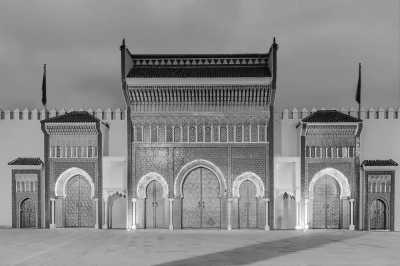
Experience the highlights of Fes on this half-day tour by car. Start with a view of the Royal Palace and its iconic golden doors, then stop at panoramic viewpoints to admire the city and its surrounding landscapes. Explore Fes el-Bali, the historic old town, wandering through its narrow streets, vibrant souks, and iconic landmarks. As the sun sets over the medina, enjoy traditional Moroccan tea and pastries while taking in the stunning views. The evening concludes with a delicious dinner at a local restaurant in Fes, before returning to your hotel.
12
12
Madrasa Bou Inania
Day 9-10
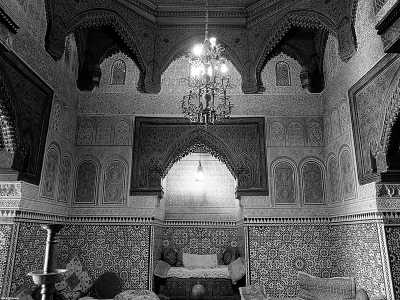
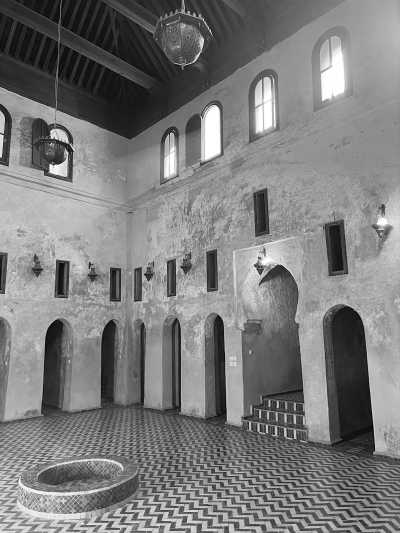
Opposite the Grande Mosquée, this religious school, completed in 1358, is typical of the exquisite Merinid interior design. Although it is not as lavish as its counterpart of the same name in Fez, it does display the classic zellige tile, delicate stucco and carved cedar-wood ceiling. You can explore the student rooms, the roof (nice views of the Grande Mosquée's minaret) and even the school's hammam (down a hall to the left, opposite the ticket desk).

Stop dreaming
Start traveling together
Join group trips or plan your own with like-minded TripMates