
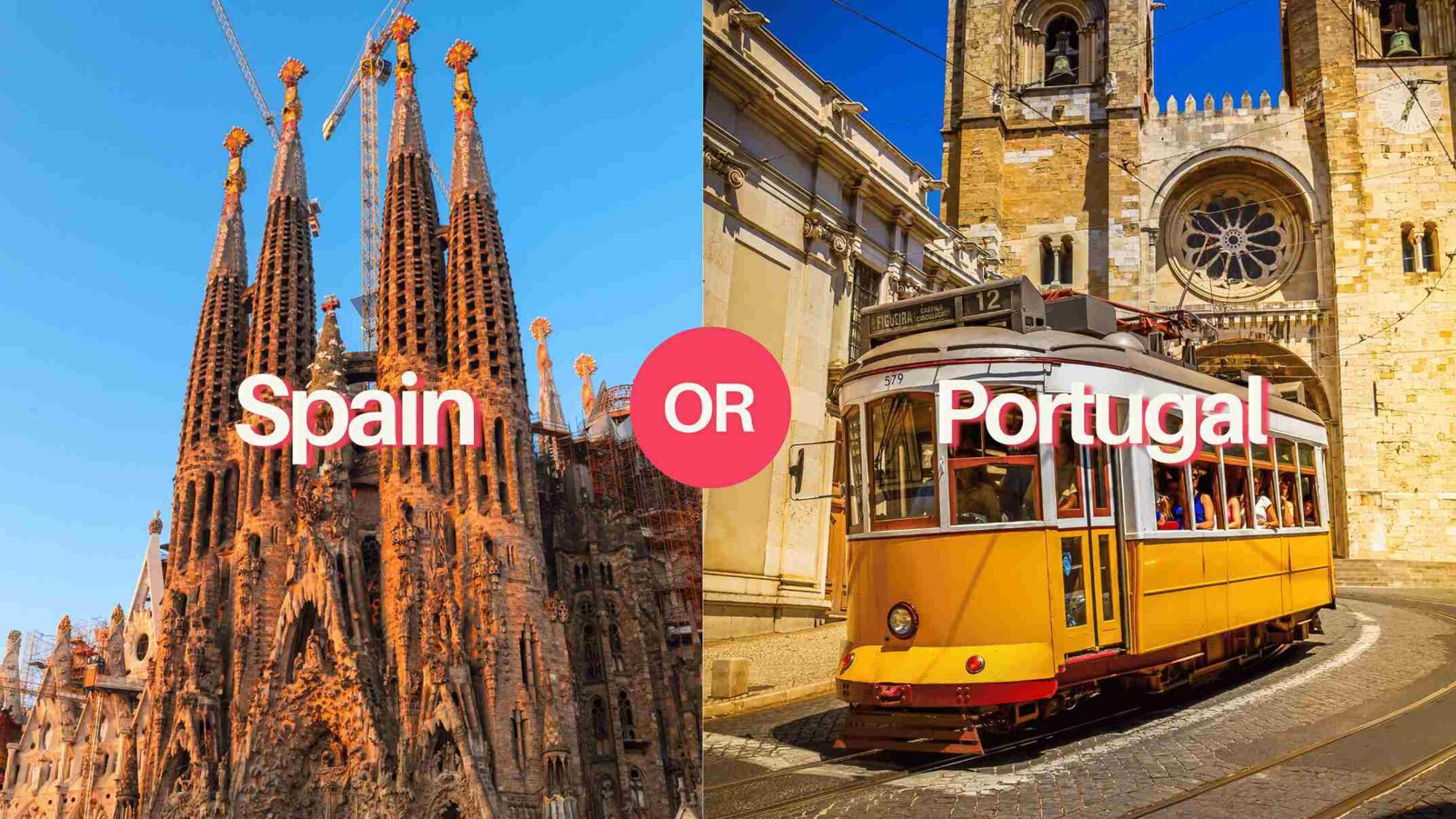
Two neighboring countries that ring almost the same bell – Spain and Portugal have become travelers’ all-time favorite destinations. They share the sun-drenched Iberian Peninsula and delectable dishes, offering an ideal vacation for those who want to escape this summer. However, when we look closer to the two, they have wildly different vibes, cultural identities, and completely unique rhythms of life. You might also ask: Based on what they have to offer, which one between Spain or Portugal should you choose for vacation?
Hear out from our expert travelers and local hosts, such as TripLeader Sonia from Portugal and TripLeader Tajana from Malaga, Spain, about the two destinations. By the end of this blog, you can choose either Spain or Portugal as your perfect match.
Spain or Portugal for Travel – TL;DR
Both Spain and Portugal are terrific travel destinations for a dreamy European summer or warm winter escape. You can choose one based on the vibe and cost:
- Choose Spain for eclectic and high-energy cities, amazing nightlife and crazy parties, and Iberian islands with picture-perfect beaches. Spain, especially popular travel hotspots like Barcelona and Mallorca, is on the more expensive side.
- Choose Portugal for outdoor adventures, relaxed and laidback cities, and breathtaking natural landscapes. Portugal is cheaper than Spain and easier to explore if you have a limited budget.
1. Spain or Portugal: The Highlights
Spain and Portugal share similarities like they are sisters, but they sure have noticeable differences. Here are the highlights of the two countries to understand their main charms
Spain’s Highlights
Spain is upbeat, full of energy, and loud. Every corner of the country feels like a fiesta, from the modern streets of Madrid to the claps of flamenco in Seville. Spain is a perfect destination for those who love dancing until the sun rises and seeing cultures different from theirs. You can party in Ibiza, get lost in the happy crowds of La Tomatina in Buñol, or watch flamenco performances in a centuries-old palace in Barcelona. Moreover, it is a great food destination famous for flavorful dishes like paella, jamon, and fideuà.
Portugal’s Highlights
Portugal is for outdoor enthusiasts and slow travel. Portugal is compact, unpretentious, and deeply connected to the Atlantic Ocean. It is a haven for travelers who want to slow down. You can surf world-class breaks in Nazaré, hike the lush levadas (irrigation channels) of Madeira, or sip a glass of crisp Vinho Verde in a sleepy cobblestone village where time has seemingly stood still.
2. Spain or Portugal: Best Time to Visit
Both countries enjoy gorgeous Mediterranean climates, but geography plays a big role in when you should book your flight.
- Spain: The ideal windows are Spring (April to May) and Autumn (September to October). During these months, the weather is beautifully warm, and crowds are manageable. High summer (July and August) should be avoided in inland regions like Madrid and Andalusia, where temperatures routinely skyrocket past 40°C.
- Portugal: May to September is fantastic for coastal lovers, as the Atlantic breeze keeps the heat much more bearable than in Spain. If you are looking for a hiking or sightseeing holiday, Spring (March – May) brings blooming wildflowers across the rolling plains of the Alentejo.
If you are hunting for winter sun, Spain’s Canary Islands offer reliable, spring-like weather in the low 20s°C even in December and January, outperforming mainland Portugal for winter warmth.
3. Spain or Portugal: Cost
While both countries remain highly affordable compared to Northern or Western Europe, Portugal generally offers better value for budget-conscious travelers. Overall groceries, food, tourist attractions, and transportation are noticeably cheaper in Portugal. You can find even better deals for money in rural area and small coastal towns. Meanwhile, Spain’s total travel budget can be widely more expensive due to its popularity.
Here is a glimpse of prices difference in Spain and Portugal (benchmarking from big cities like Lisbon and Barcelona):
| Item | Portugal | Spain |
| Standard hotel (3-star) | €80 – 150 | €70 – 120 |
| Hostel | €10 – 40 | €15 – 45 |
| Rental car | €10 – 30 / day | €8 – 25 / day |
| Public transportation | Bus: €2.30 Tram: €3.30 | Metro and bus: €2.90 |
| Food + drink in a standard restaurant | €25 – 50 | €30 – 65 |
| Street food | €1.5 – 6.5 | €2 – 12 |
| Beer | €1.5 – 3 | €1.5 – 4 |
4. Spain or Portugal: Best Destinations
We have wrapped up that Spain is best for cities, party, and culture while Portugal is for nature, sea, and relaxation. Then, here are the best destinations in Spain and Portugal:
Best Destinations in Spain
- Barcelona, an architecturally marvelous cosmopolitan, for gorgeous Gaudian buildings, world-class art museums, and high-energy bars
- Gran Canaria, a volcanic island, for outdoor adventures, beach escape, and diverse landscapes
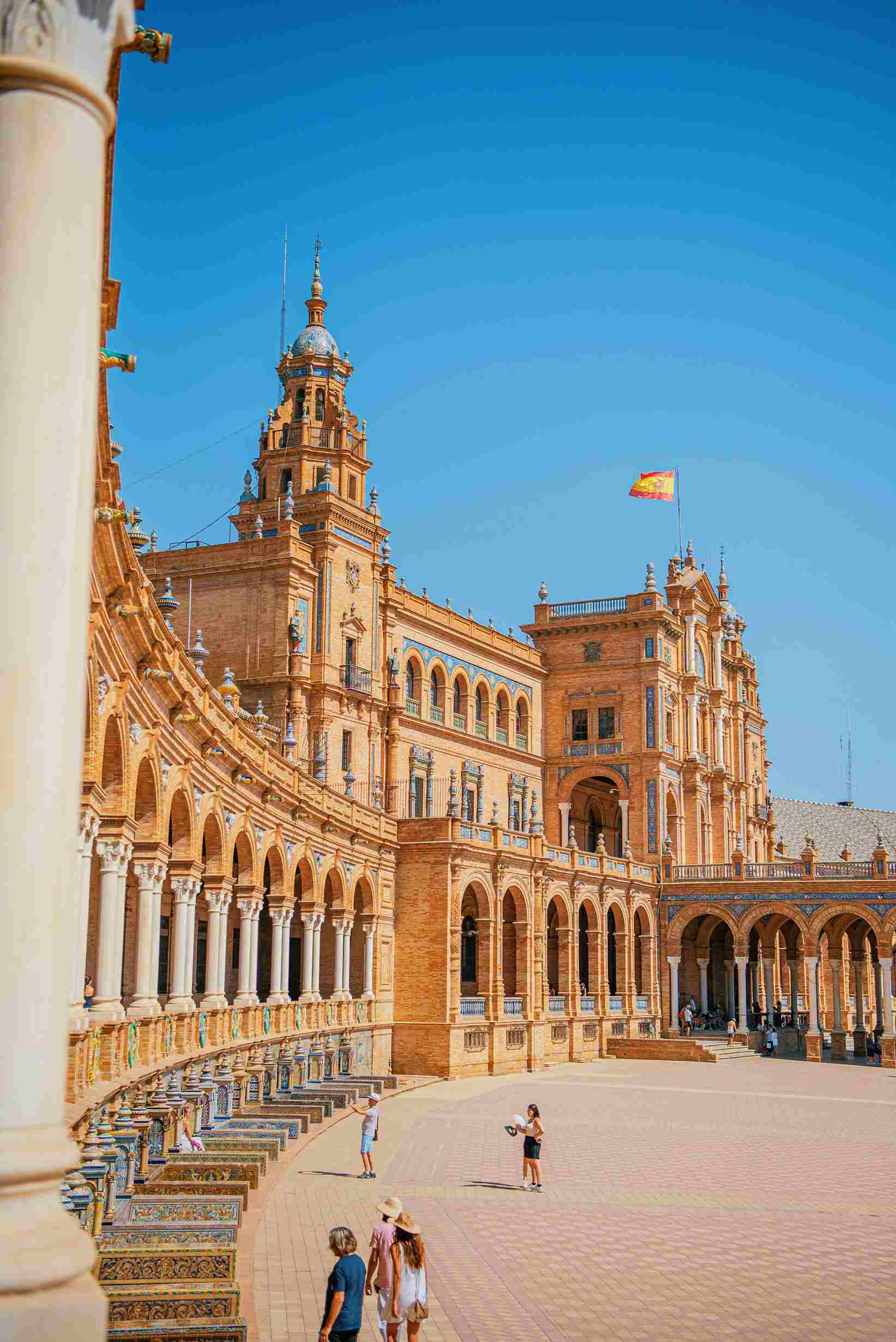
- Seville, an Andalusian city, for Moorish-style architecture, flamenco culture, and historical places
- Ibiza, a sparkling Balearic island, for a beach vacation, amazing parties, and resorts
Best Destinations in Portugal
- Porto, a city on the banks of Duoro River, for historic buildings, UNESCO heritage sites, and the legendary Port wine
- Algarve, a coastal region by the Atlantic Sea, for golden, powdery beaches and beautiful sea caves
- Madeira, a lush Atlantic island a.k.a the Hawaii of Europe, for hiking along levadas (historic irrigation channels) and spectacular peaks, dolphin-watching, and surfing
- The Azores, Portugal’s green archipelago, for outdoor adventures like hiking and climbing, and hot springs
5. Spain or Portugal: Beaches
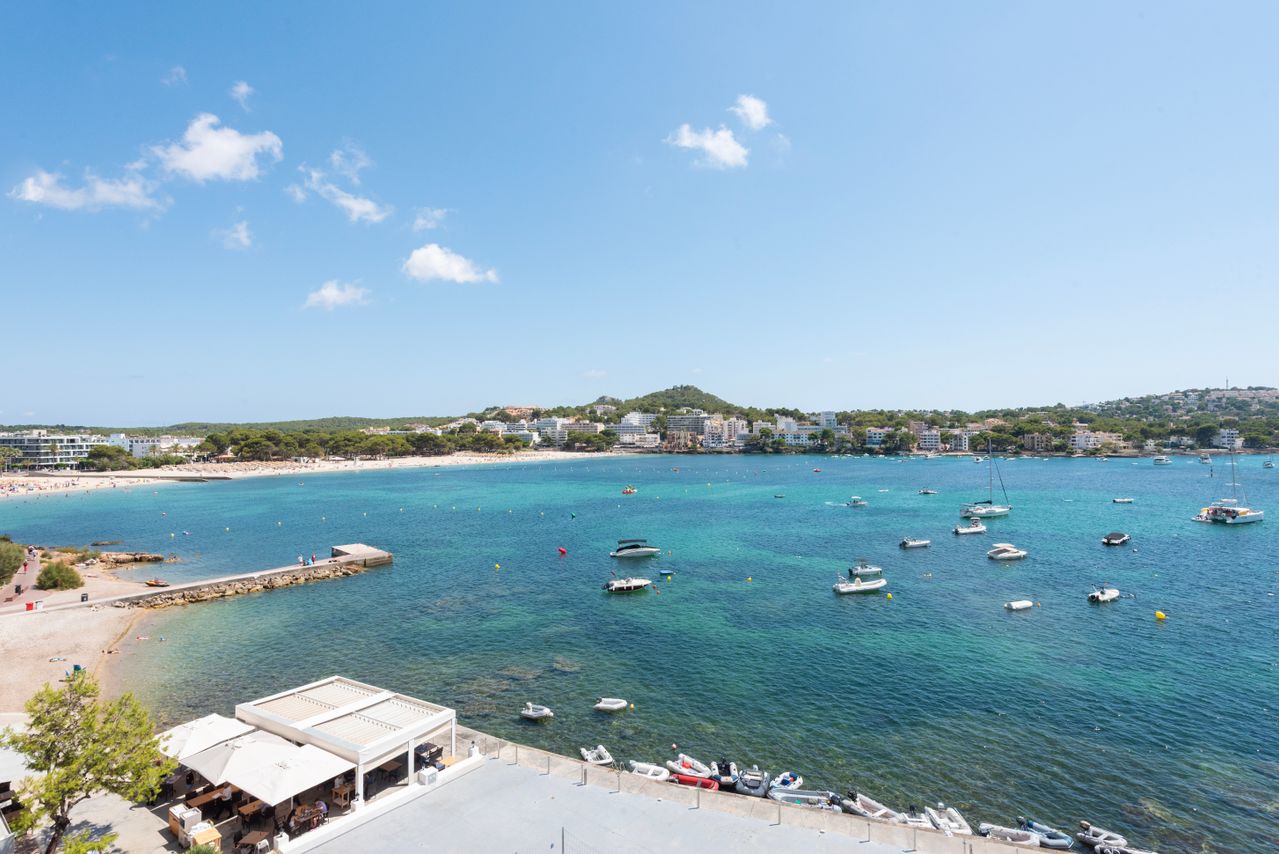
For an easy, stress-free family beach vacation, Spain is the clear winner. Spain’s Mediterranean coastlines, including the Costa Blanca, Costa del Sol, and the Balearic Islands like Mallorca, feature remarkably calm, warm waters with virtually no strong tides or dangerous currents. These sandy beaches slope gently into the sea, creating a safe environment for toddlers and young children. Furthermore, Spanish beach resorts are heavily developed with family-friendly amenities, beachfront playgrounds, lifeguards, and easy boardwalk access.
Portugal’s beaches are staggeringly beautiful, flanked by dramatic golden cliffs and hidden sea caves (like the famous Benagil Cave in the Algarve). However, because Portugal faces the open Atlantic Ocean, the water is significantly colder and the waves are much rougher. While the southern Algarve offers some sheltered pockets, it is generally better suited for surfers, bodyboarders, and active families with teenagers rather than families traveling with very young children.
6. Spain or Portugal: Cities
Cities in Spain
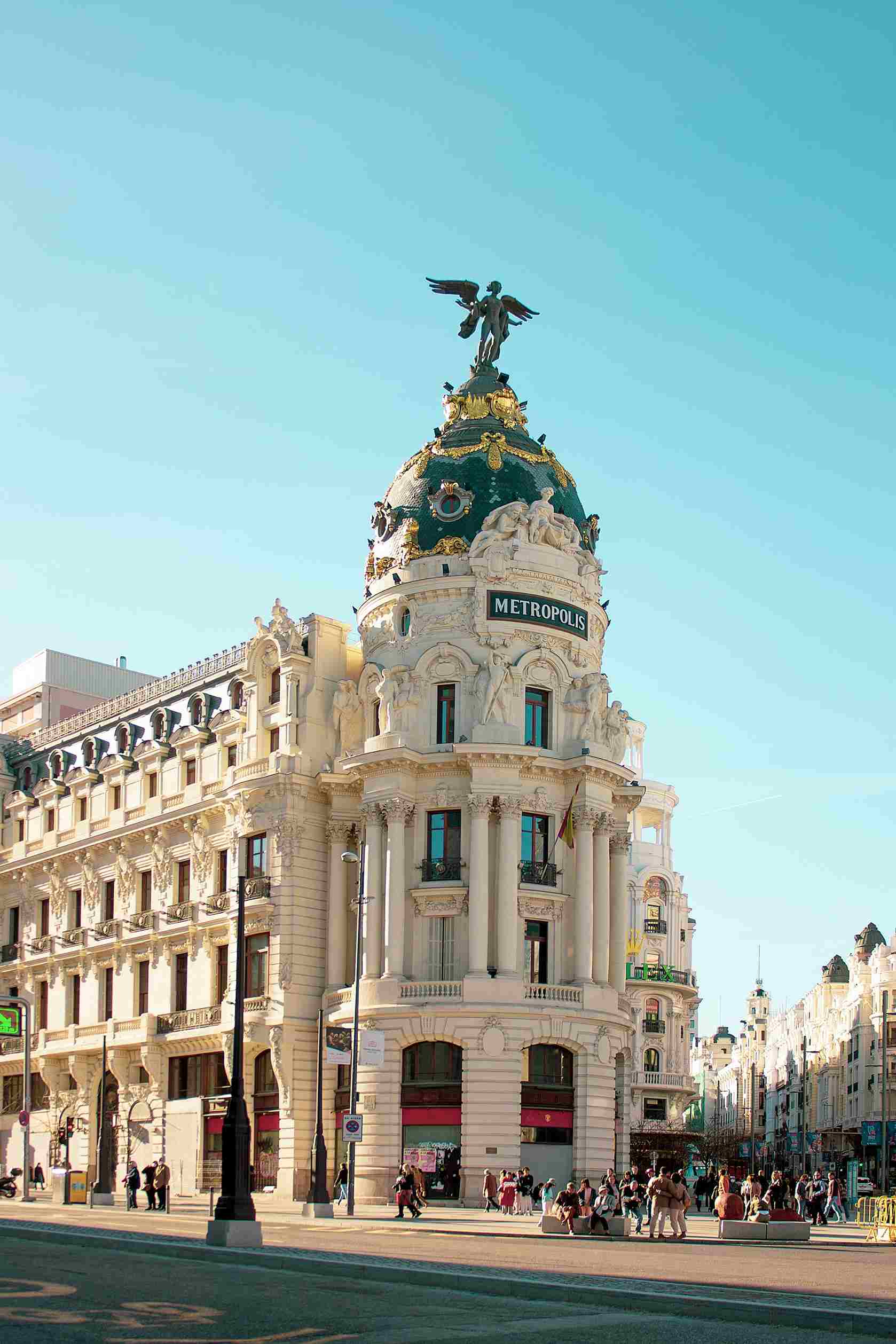
Spain is packed with heavy-hitting metropolises, historically-rich cities, and aesthetically-pleasing towns. Big cities like Madrid, Barcelona, and Seville are the backbone of Spain tourism. They feature magnificent architecture belonging to the Moorish period or is the trademark of Antoni Gaudi, world-class art museums, to historically-significant monuments. Besides that, Spain’s cities are modern and trendy. TripLeader Lexi, a 26 y.o. digital marketer who lives in Madrid, highlights the city’s emerging cafe scenes, flea markets, and Instagram-perfect bakeries that are “great for Gen Zs”. Compared to Portugal, the cities in Spain are louder, more energetic, and packed with culture and history.
Cities in Portugal
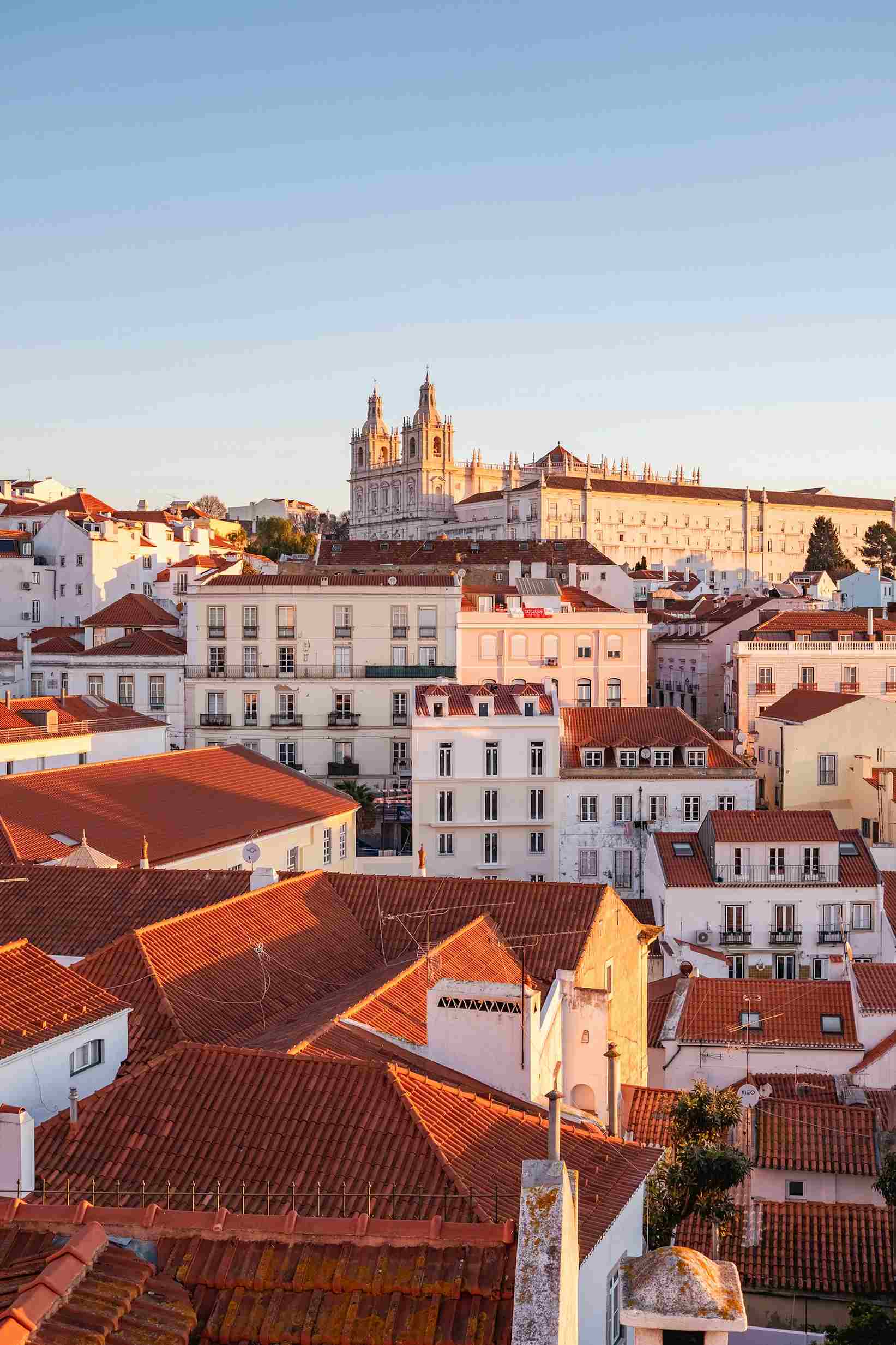
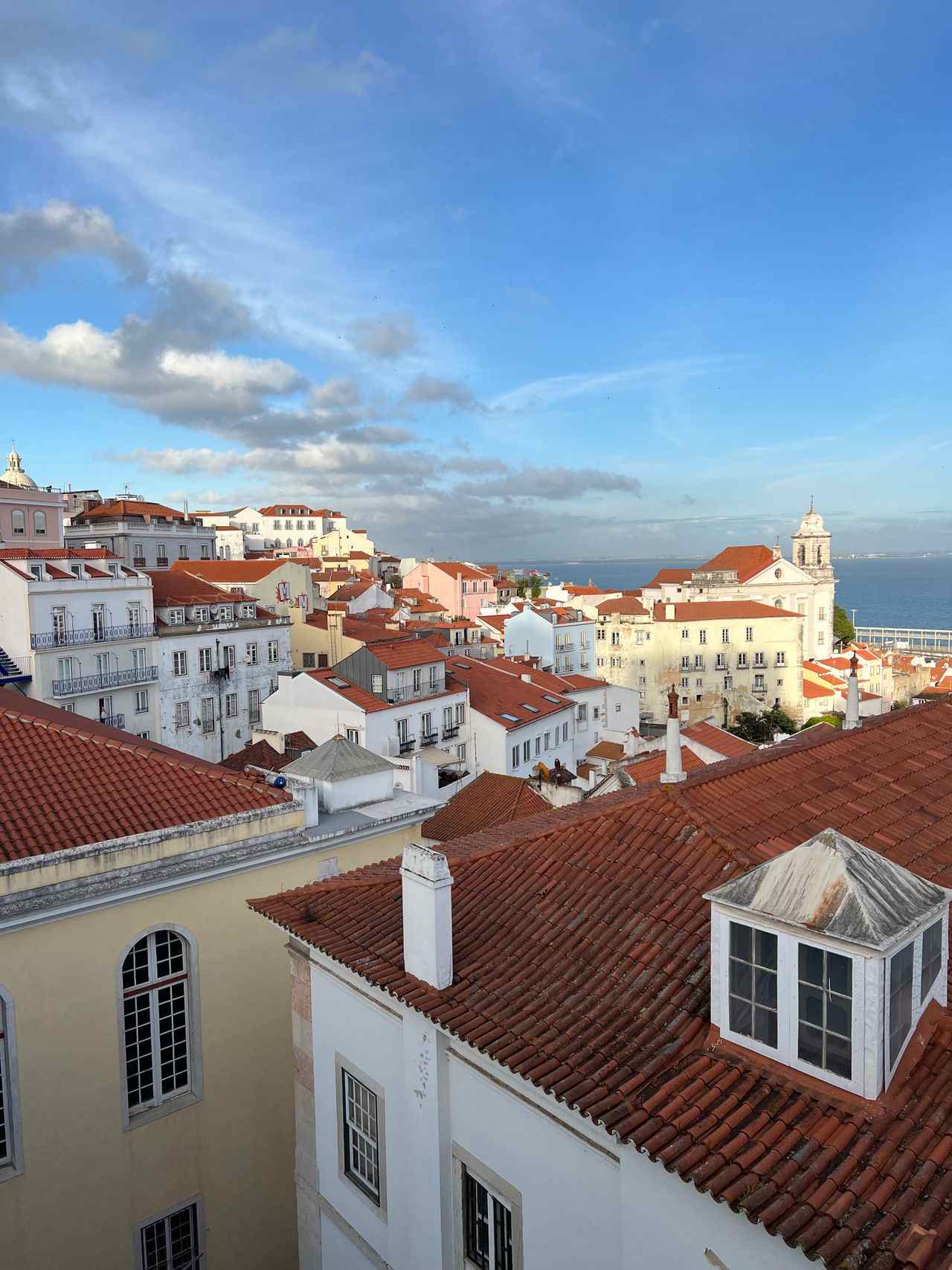
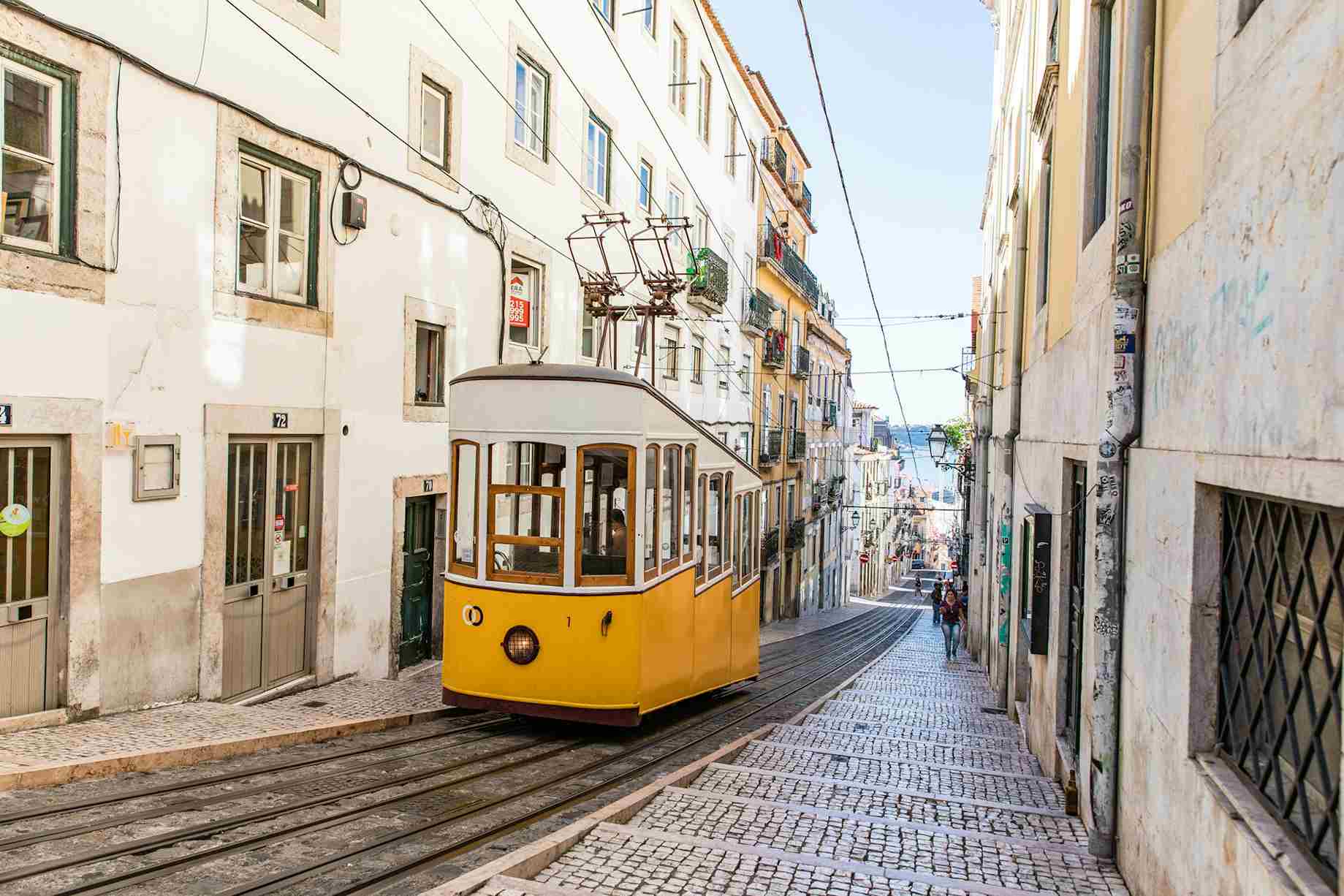
Portugal’s cities paint a picture of how a laidback and ‘soft life’ look like. Atmospheric neighborhoods where locals smile at each other, spectacular viewpoints where sunsets look magical, and centuries-old buildings becoming the highlight of the cities. Lisbon, the capital, is a historical treasure trove. It features pastel-colored buildings draped in historic azulejo tiles and the vintage yellow trams. Then, Porto clings to the banks of Douro River and fits the word ‘romantic’. The city is packed with soaring iron bridges, moody fog, and historic port wine cellars. Beyond Porto and Lisbon, local TripLeader Gabriela also suggests checking out Nazare and Coimbra, small coastal towns that are nothing less than dreamy.

7. Spain or Portugal: Party & Nightlife
If you live for the night, Spain wins by a landslide. Nightlife in Spain is an art form. The Spanish do not even think about heading out for dinner until 9:30 or 10:00 PM, and bars don’t truly get moving until midnight. From the legendary, world-class superclubs of Ibiza to the thriving rooftop bar scenes of Madrid and the beachfront clubs of Barcelona, Spain’s party energy is electric, varied, and genuinely exhausting in the best way possible.
Portugal’s nightlife is far more casual and bohemian. In Lisbon, the party takes place out in the streets of the Bairro Alto district, where travelers and locals mingle outside tiny bars with plastic cups of beer or caipirinhas in hand. For a soundtrack to your evening, you can head to a traditional tavern to experience Fado, Portugal’s hauntingly beautiful, melancholic folk music.


8. Spain or Portugal: Food & Drinks
Both nations are a paradise for foodies, relying heavily on fresh seafood, olive oil, and exceptional local wines, but their culinary philosophies differ.
- Spain is a mosaic of regional tapas: Tapas culture allows you to sample multiple flavors in a single evening. You can hop from bar to bar tasting jamón ibérico, patatas bravas, and fresh seafood. Head north to San Sebastián for pintxos (Basque-style tapas perched on bread), or visit Valencia to taste authentic saffron-infused paella.
- Portugal is hearty, rustic comfort food: Portuguese food is unpretentious and incredibly satisfying. The national obsession is bacalhau (salted codfish), which locals boast can be cooked 365 different ways. Do not miss a sizzling plate of grilled sardines, a hearty Cataplana seafood stew, or a warm, flaky pastel de nata (custard tart) dusted with cinnamon.
For drinks, Spain counters its world-famous Rioja reds and refreshing sangria with Portugal’s rich Port wines from the Douro Valley and crisp, effervescent Vinho Verde.
9. Spain or Portugal: Transportation and Accessibility
Getting around is simple in both countries, but the ideal method changes based on your choice.
- Spain has one of the best high-speed rail networks in the world (AVE). You can zip from Madrid to Seville or Barcelona to Madrid in under three hours, making domestic flights or car rentals completely unnecessary if you are sticking to the major cities.
- Portugal is compact and geographically linear. Traveling between Lisbon and Porto by train is fast and highly affordable. However, if you want to explore the hidden beaches of the Algarve, the dramatic cliffs of the Silver Coast, or the terraced vineyards of the Douro Valley, renting a car is highly recommended and gives you total freedom.
The Verdict: Which One Should You Pick?
- Go to Spain if: You want world-famous architecture, buzzing metropolises, high-energy nightlife, dynamic culinary scenes, and calm, sunny resort beaches perfect for a classic family holiday.
- Go to Portugal if: You prefer a slower, more intimate travel experience, dramatic cliffside landscapes, surfing, historical charm on a budget, and a relaxed coastal escape.