
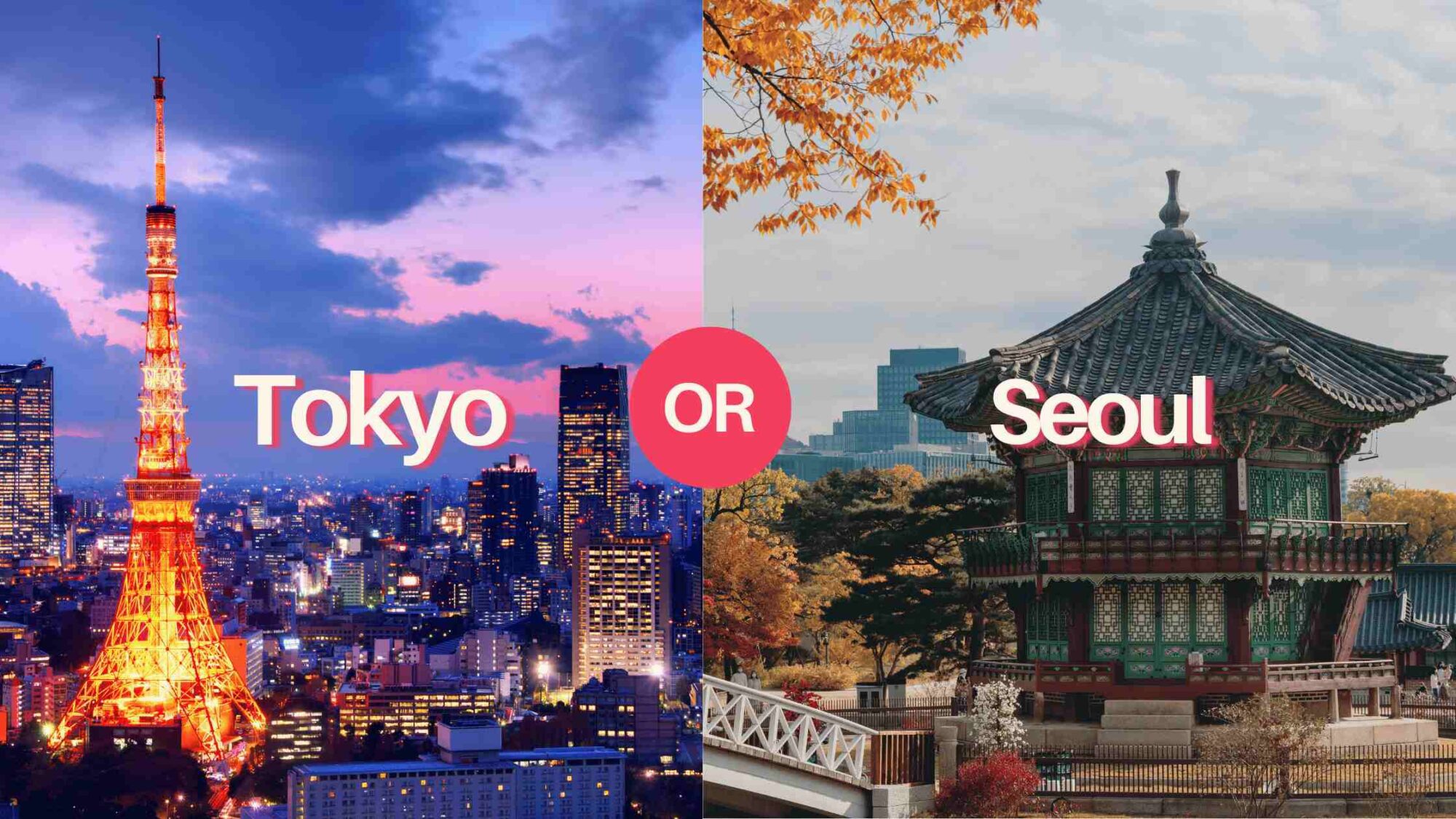
Imagine having to choose between two most iconic cities in Asia, that are equally eclectic, stylish, and safe. Tokyo is a city where traditional Japanese culture binds seamlessly with futuristic skyscrapers and sophisticated everyday life. Meanwhile, Seoul is a city where entertainment, electronics, and technology industries become the eye candy. Although the two sounds like a real deal, sometimes your group have to book a flight only to Tokyo or Seoul. No worries, we’ll help you with that.
We collaborated with our experienced travelers and local hosts to compare Seoul and Tokyo. Hear out from TripLeader Kathi who has traveled to 90+ countries, a Korea-focused German guide Simone, and TripLeader Yun who flies to Japan more than thrice a year.
TL;DR – Seoul or Tokyo to Visit?
Seoul and Tokyo are two destinations that are only 2.5 hours-flight away with similar energy. However, they have distinctive highlights that might suit different types of groups.
- Visit Tokyo if your group loves hunting
- Visit Seoul if your group
Seoul or Tokyo: Highlights
Highlights of Seoul
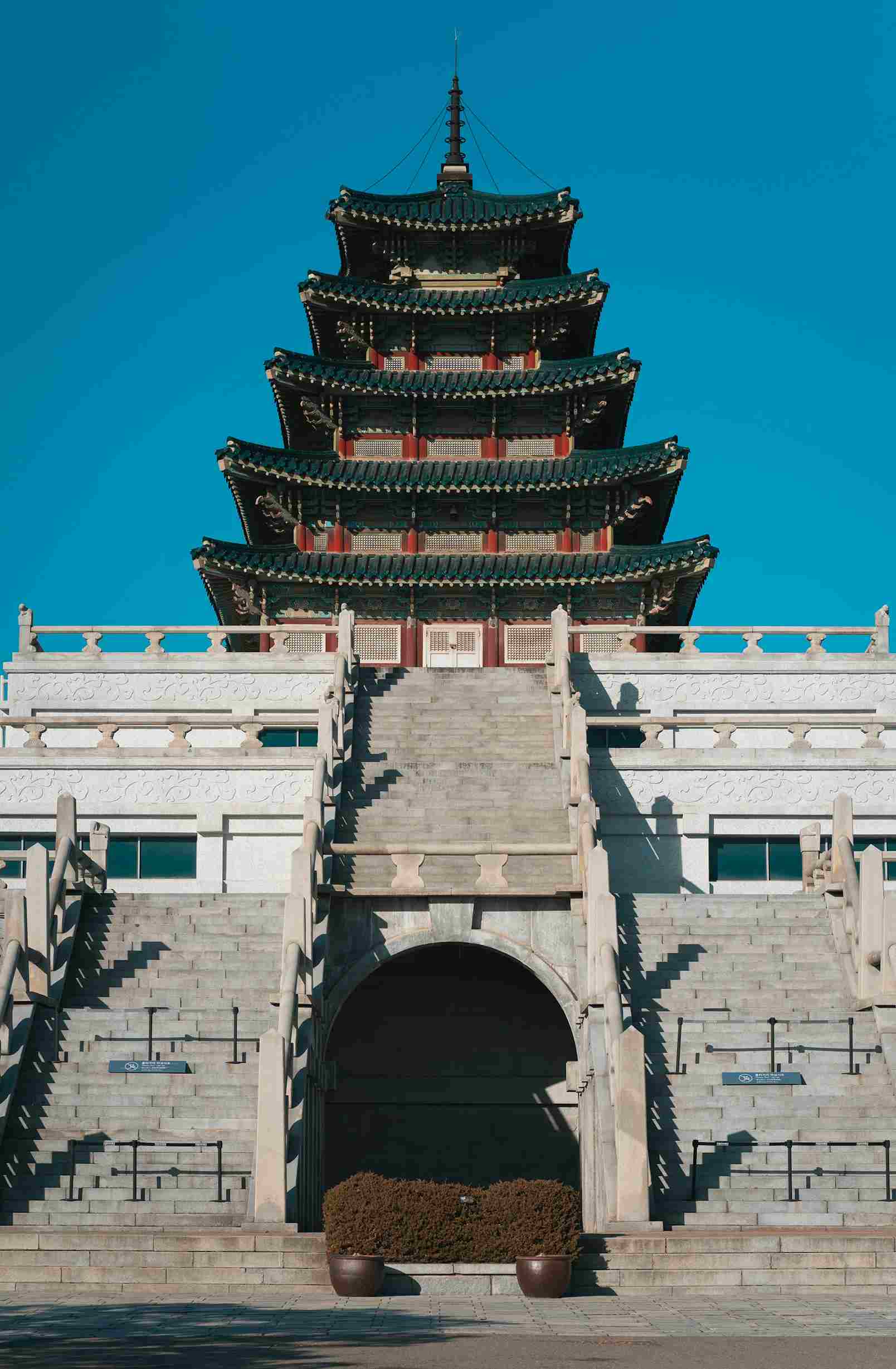
As the birthplace of technological giants such as Samsung, Seoul wears that on its sleeve. The mega city is lined with futuristic skyscrapers and buildings that seemingly defying the principles of physics. Moreover, if your group’s group chat is filled with K-Pop TikToks, K-Drama recommendations, and skincare routines, the choice is already made. The city’s highlights revolve around Hallyu (the Korean Wave), massive beauty shopping districts, and an incredibly trendy aesthetic café culture that leaves Tokyo’s coffee shops playing catch-up.
Highlights of Tokyo
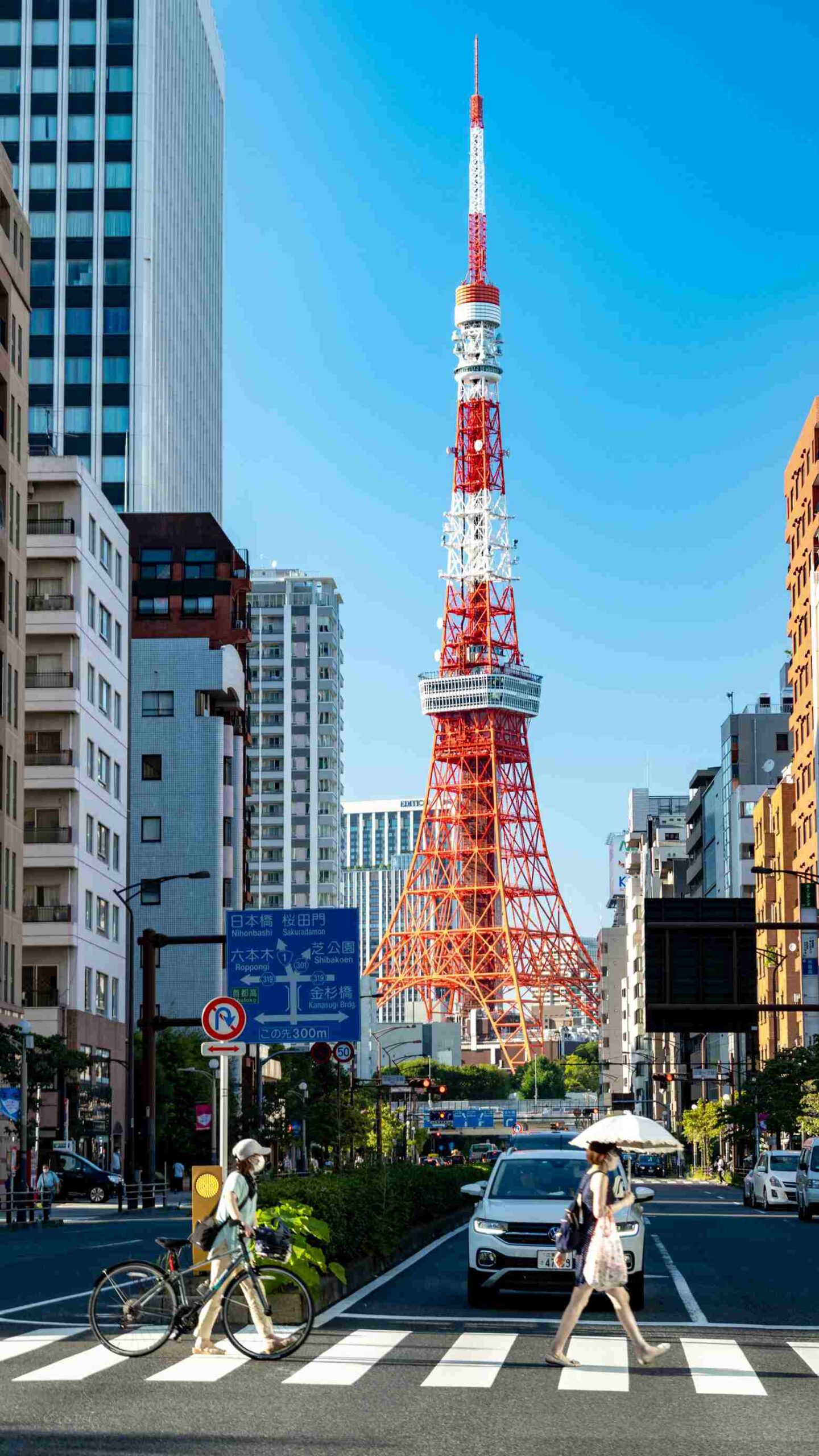
Tokyo offers an aesthetic of contrasts. One minute your group is navigating the flashing neon skyscrapers of Shinjuku or the futuristic digital art displays at teamLab, and the next, you are walking through the tranquil, towering forested paths of Meiji Shrine. It is a city designed for groups who love scenic urban photography, pop culture subcultures (like anime and gaming in Akihabara), and deeply rooted traditions.
Seoul or Tokyo: Cost
| Expenses Category | Tokyo | Seoul |
| Accommodation (standard/mid-range hotel) | €138 – €150 | €116 – €130 |
| Public transportation | €1 – €3 / day | €0.8 – €2 / day |
| Taxi | €10 – €40 / ride | €3 – €10 / ride |
| Meals in a mid-range restaurant | €6 – €12 | €5 – €10 |
Seoul or Tokyo: Things to Do
Keeping a group entertained requires variety, and both capitals deliver massively different itineraries.
Things to Do in Tokyo
- Geek Out in Akihabara: The global mecca for anime, manga, and retro arcade gaming.
- Immersive Art: Visit teamLab Borderless or Planets for mind-bending digital art installations that make incredible group photos.
- Step Back in Time: Explore Asakusa and the ancient Senso-ji Temple, or take a day trip to the shrines of Nikko or the historic streets of Kamakura.
- Theme Parks: Tokyo is home to Tokyo Disneyland and DisneySea (widely regarded as the best Disney park in the world).
Things to Do in Seoul
- Café Hopping: Visit the upscale aesthetic cafes in Seongsu-dong (the “Brooklyn of Seoul”) or the traditional hanok cafes in Ikseon-dong.
- Skincare & Fashion Hauls: Spend a day hitting the stores in Myeongdong or the trendy boutiques in Hongdae and Ewha.
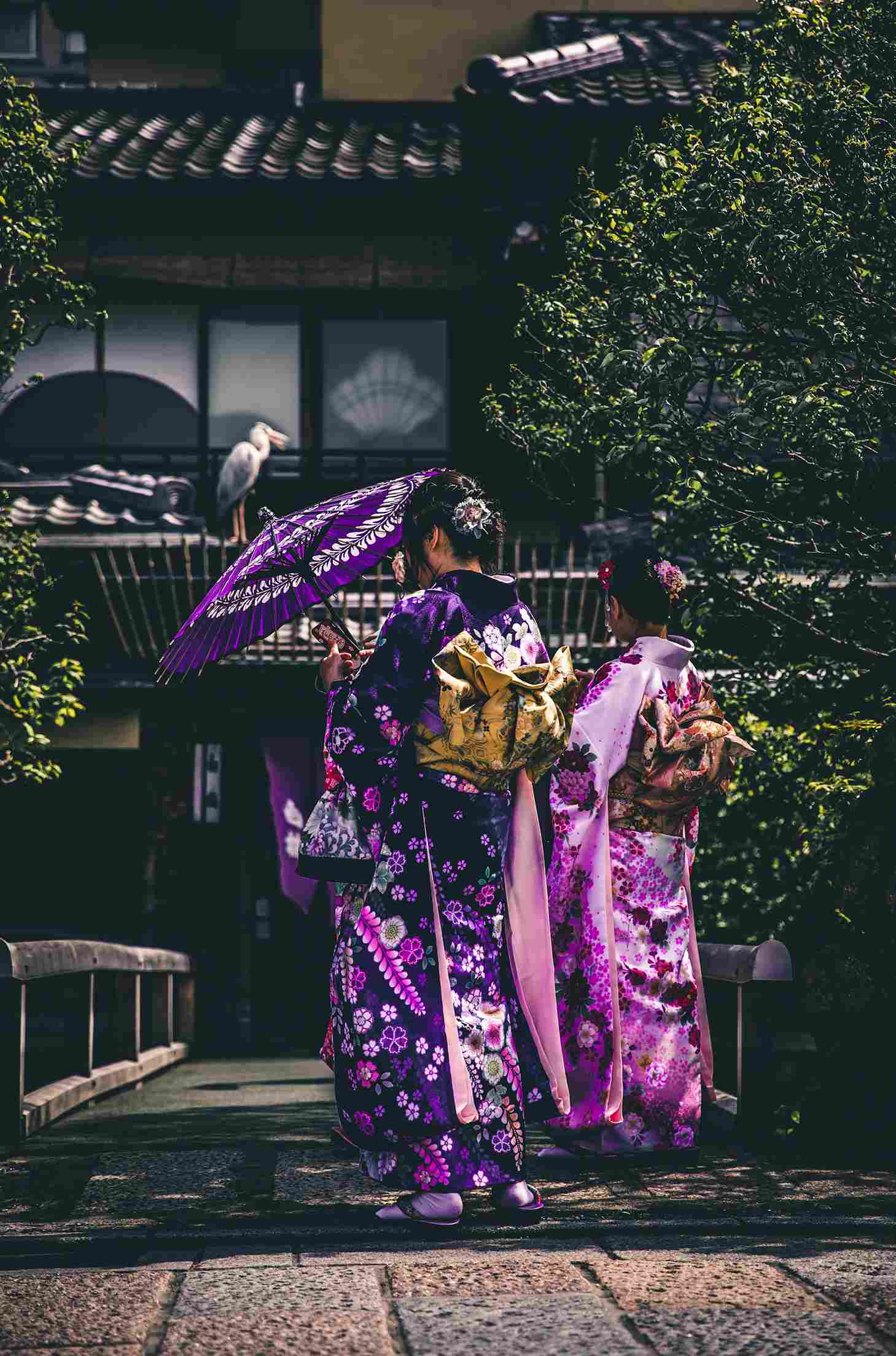
- Time Travel in Style: Rent traditional Hanbok clothing together—which grants you free entry into historic palaces like Gyeongbokgung—for an unforgettable group photoshoot.
- Urban Hiking: Because Seoul is surrounded by mountains, your group can easily hike Bukhansan National Park right from a city subway line.
Seoul or Tokyo: Getting Around
Getting Around Tokyo
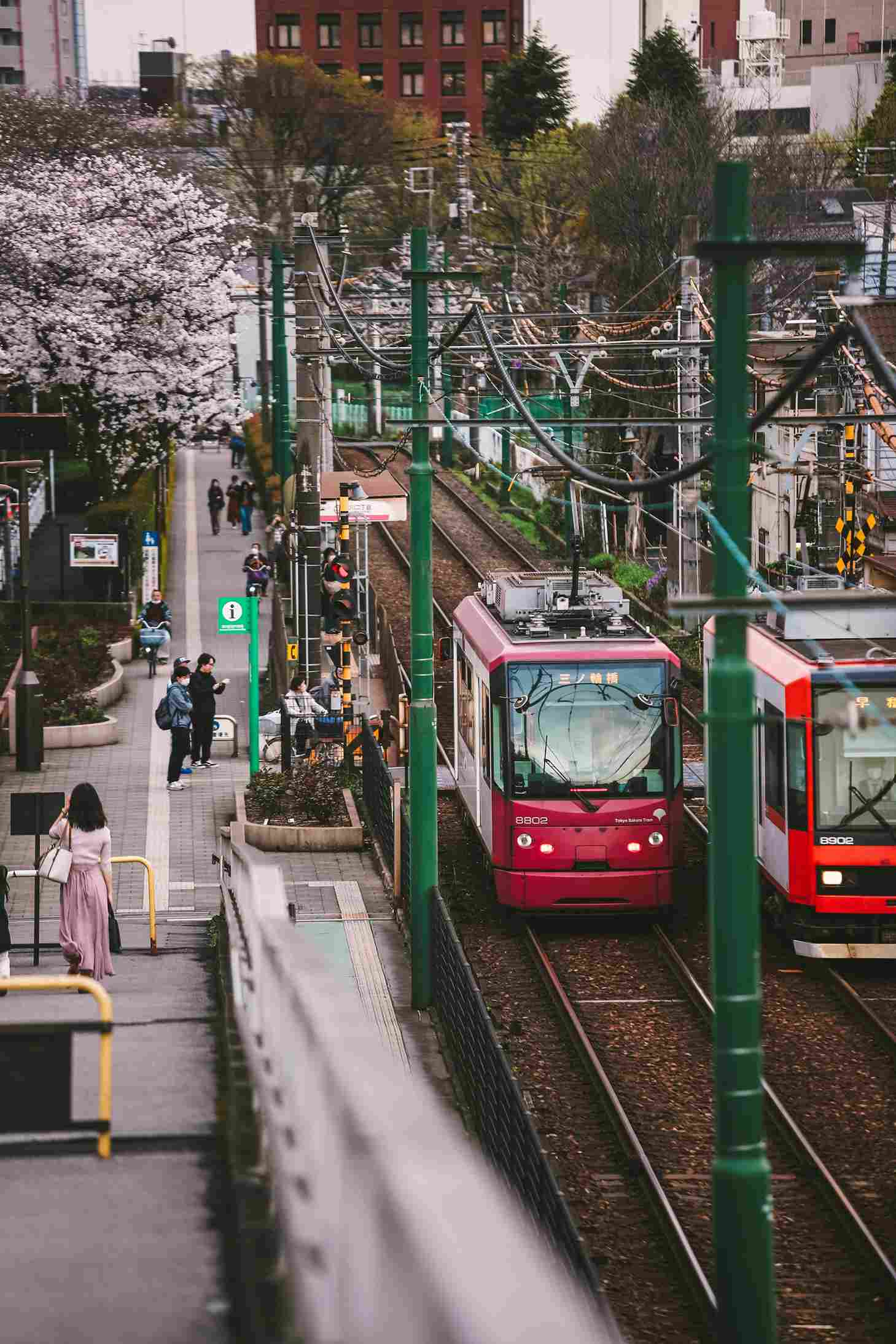
Tokyo’s train and subway network is a marvel of human engineering. Trains run to the exact second and connect every square inch of the metropolis. However, the system is run by multiple different rail companies (Tokyo Metro, Toei Subways, and JR East). Navigating the massive transit hubs like Shinjuku Station with a large group can feel like trying to herd cats.
Getting Around Seoul
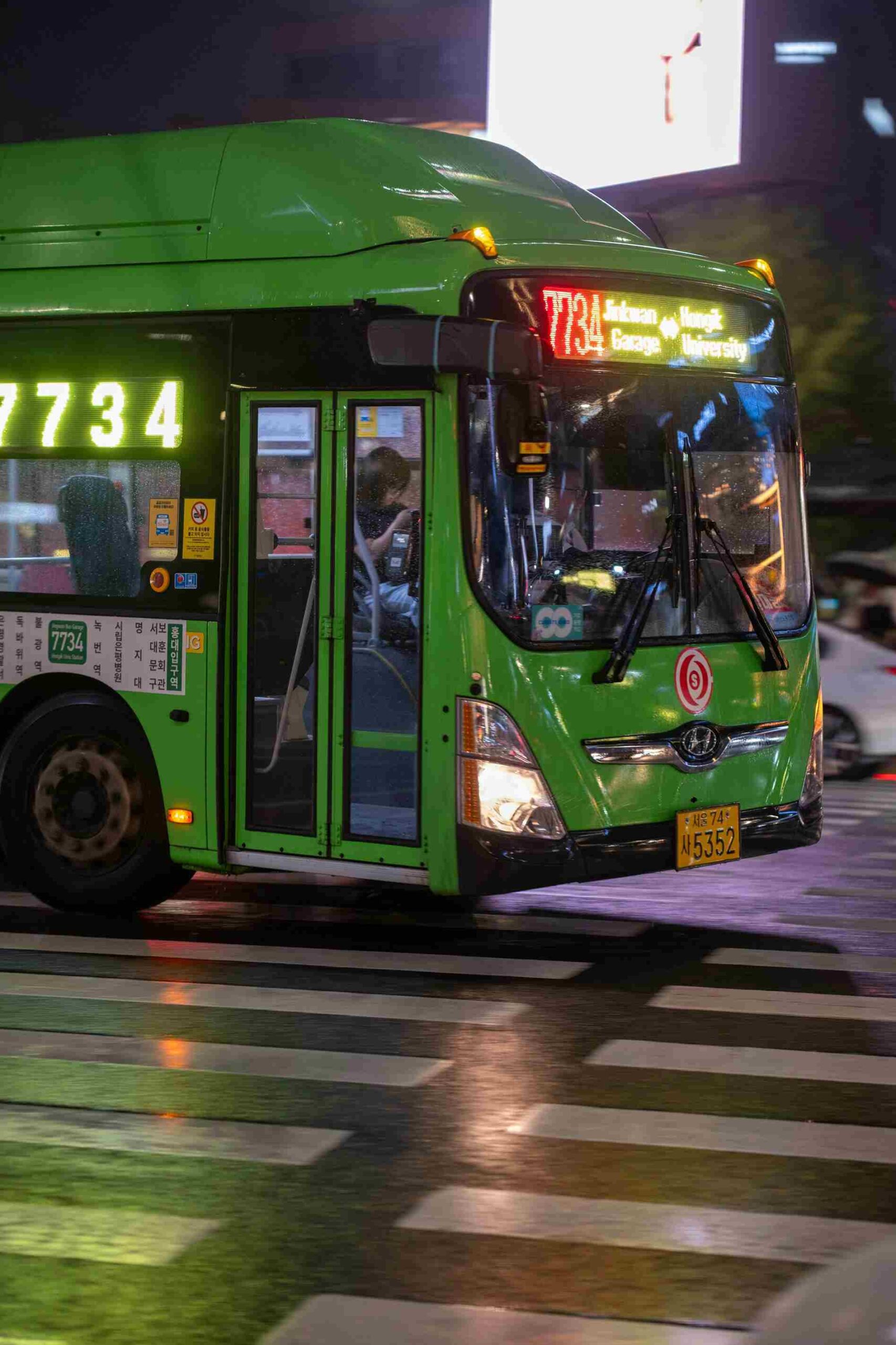
Seoul’s subway system is exceptionally user-friendly, highly integrated, and features clear English audio announcements and color-coded pathways. The stations are spacious and easy to organize a group in. Crucially for groups: Seoul’s taxi system is vastly superior for group logistics. If your squad gets tired or splits up, jumping into a couple of incredibly affordable local taxis is a viable daily strategy, whereas doing the same with Tokyo’s notoriously expensive taxis will quickly obliterate your budget.
Seoul or Tokyo: People & Safety
People & Safety in Tokyo
Tokyo feels profoundly serene, even when surrounded by millions of people. The civic culture dictates that people mind their own business, meaning your group won’t have to deal with aggressive street touts or chaotic crowds. Furthermore, English signage is exhaustive, and hospitality staff widely understand English, making basic communication completely seamless for international groups.
People & Safety in Seoul
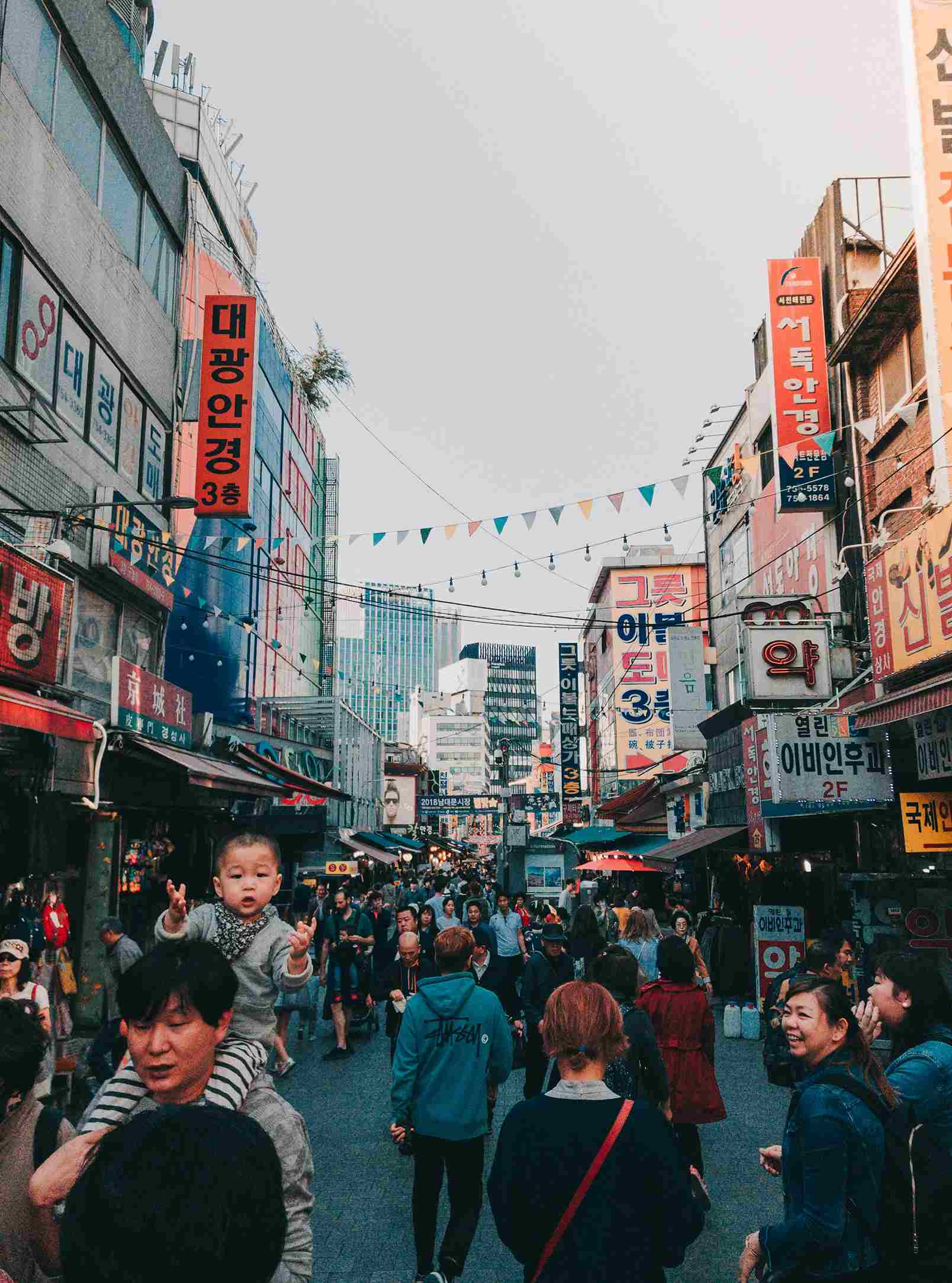
Seoul is incredibly welcoming, but its culture operates on a high-energy, fast-paced mindset known as Pali-Pali (“Hurry-Hurry”). It is louder, more communal, and more spontaneous. English is spoken well by the younger generation, though navigating the city requires downloading local apps (like Naver Maps rather than Google Maps) as international map data is legally restricted in South Korea.
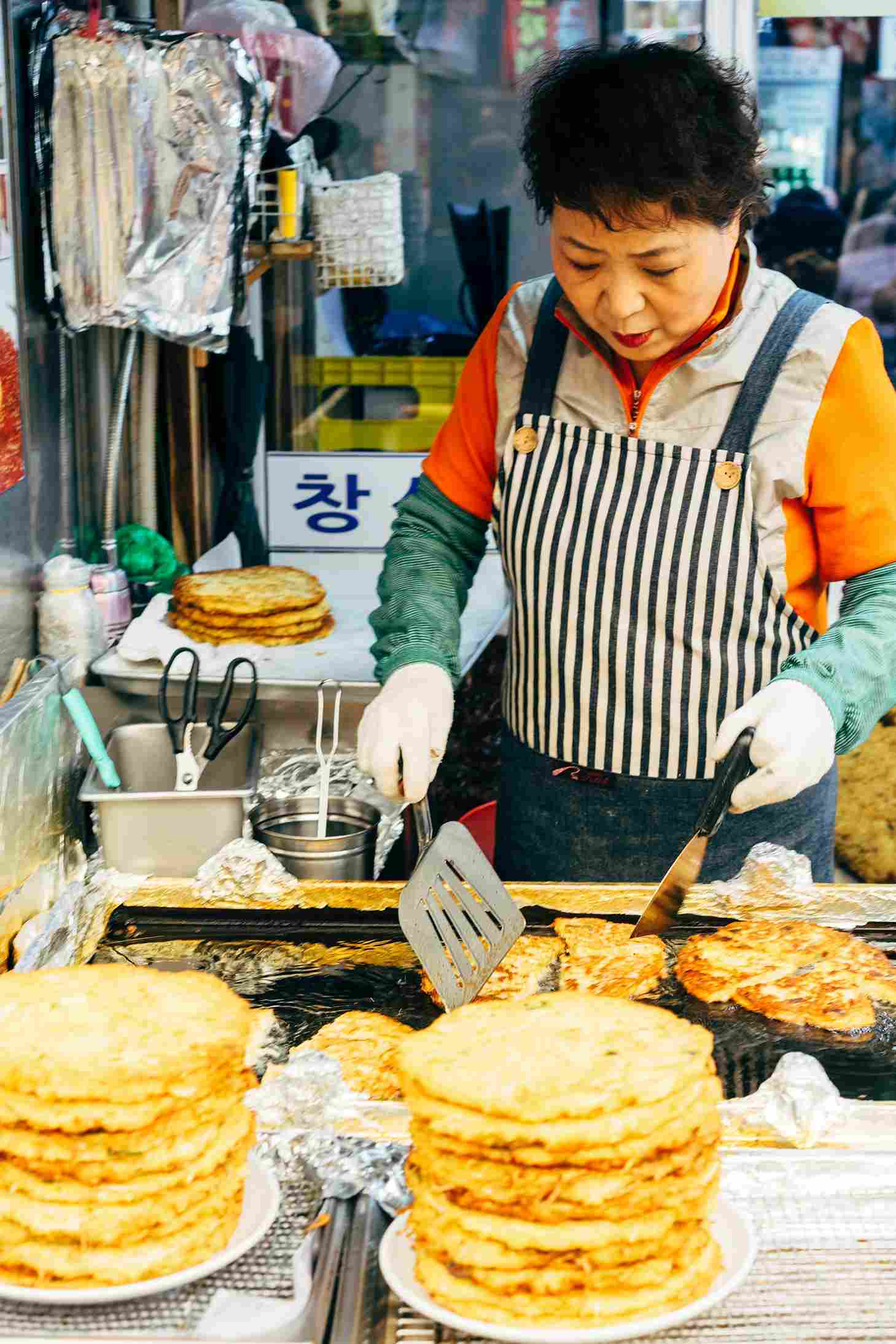
Seoul or Tokyo: Food
Food in Seoul
Tokyo feels profoundly serene, even when surrounded by millions of people. The civic culture dictates that people mind their own business, meaning your group won’t have to deal with aggressive street touts or chaotic crowds. Furthermore, English signage is exhaustive, and hospitality staff widely understand English, making basic communication completely seamless for international groups.
Food in Tokyo
Seoul is incredibly welcoming, but its culture operates on a high-energy, fast-paced mindset known as Pali-Pali (“Hurry-Hurry”). It is louder, more communal, and more spontaneous. English is spoken well by the younger generation, though navigating the city requires downloading local apps (like Naver Maps rather than Google Maps) as international map data is legally restricted in South Korea.
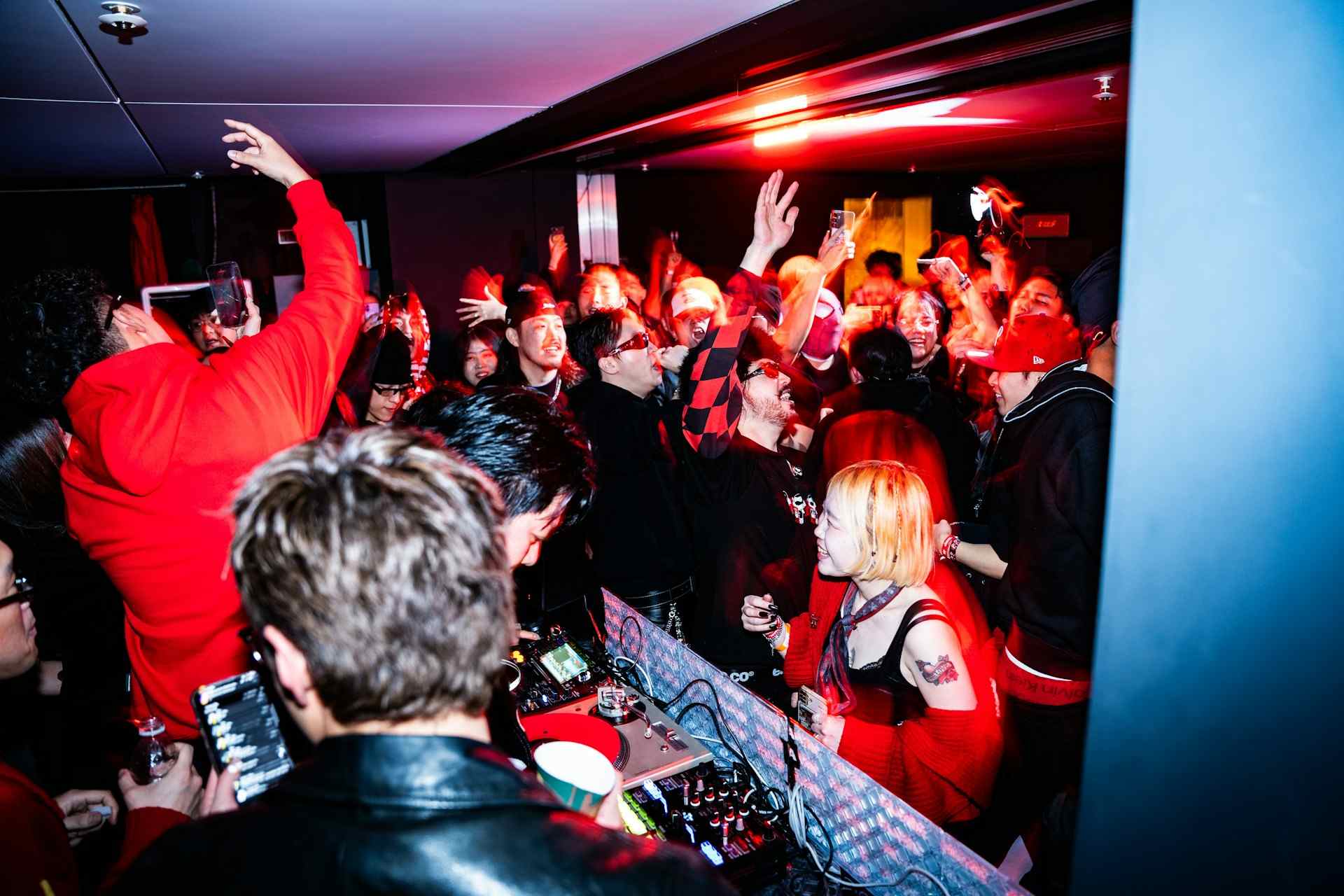
Seoul or Tokyo: Nightlife
Nightlife in Seoul
Tokyo’s nightlife is all about variety and intimacy. Groups love exploring Yokocho (narrow alleyways lined with tiny lantern-lit pubs) like Shinjuku’s Omoide Yokocho, where you can drink beer and eat yakitori. For dancing and massive clubs, Roppongi and Shibuya offer global nightlife vibes, though many of Tokyo’s coolest bars are small and can comfortably hold only 4 to 6 people at a time.
Nightlife in Tokyo
Seoul wins the nightlife category for large groups hands down. The city has a relentless nighttime energy. The night usually starts with Korean BBQ and Soju, moves to a high-energy dance club in Hongdae or an upscale lounge in Gangnam, and transitions into a 24-hour Noreabang (private karaoke room) where your group can sing and drink until morning. Because taxis are so cheap, getting the whole squad home at 4:00 AM is cheap and painless.