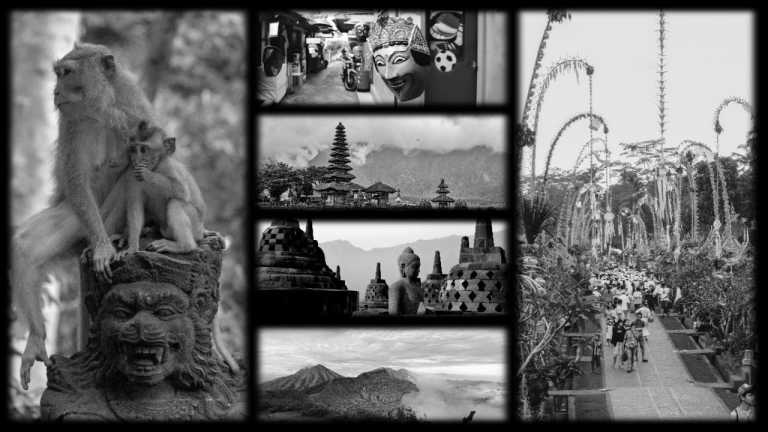
Start Your Journeys! Exploring UNESCO-listed Places in Java and Galungan Atmosphere in Bali.

Hosted by

Rizal

Guided trip
What's special?
special Local TripLeader
special Some UNESCO listed tourist attraction
Join our journey by exploring nature, food and culture in famous cities on a low budget and feel the euphoric atmosphere of Galungan Day in Bali. We will take you on a tour of parts of Java island that will stop at: - Borobudur Temple, Magelang Regency - Prambanan Temple, Sleman Regency - Malioboro Street, Yogyakarta - Kampung Jodipan, Malang - Balekambang Beach, Malang Regency - Baluran National Park (Africa Van Java), Situbondo Regency - Ijen Crater, Banyuwangi Regency - Ulun Danu Beratan Temple, Tabanan Regency - Sacred Monkey Forest Sanctuary, Gianyar Regency - Tanah Lot, Tabanan Regency - Nusa Penida Island For inter-city transportation, we will use the following details: - Train Jakarta - Yogyakarta - Bus Yogyakarta - Malang - Train Malang - Banyuwangi - Bus Banyuwangi - Denpasar - Local transportation in selected cities During this trip, snacks and drinks will be provided, but meals will not be provided. But take it easy, we will help you to accompany or find food through online food applications, ranging from Indonesian food, fast food, European food, etc. We leave the taste of food to each of you. Discuss with us if you would like to join us for meals at certain times, we are happy to help. Meal costs will be accommodated during the trip. On some trips, meals are provided by the bus operator at least once at a restaurant. All details for accommodation, transportation, and tourist attractions will be shared via chat. We apologize if our English speaking is still not fluent, we keep trying to make our group feel comfortable and satisfied. Our help option is using a translation app. Notes: It is recommended for backpackers due to the hectic travel duration, the possibility of exhaustion, and the lack of rest at lodgings. Lodging facilities are limited but meet the standards of comfort while you rest in our destination cities.

About me! Hi, I'm Rizal, an Indonesian citizen and tour guide. I have explored 40% of Indonesia including Java Island, Bali Island, Lombok Island, Bangka Belitung Island, a small part of Sulawesi Island, and a small part of Sumatra Island. I am also a content creator of public transportation, accommodation, and interesting tourist attractions. Please visit our channel "Muritama the Tripper" on YouTube for your travel reference. Our dream continues to be to explore various countries and share our experiences while in the countries we have visited, including tourist attractions, the best accommodation options, and guides and options for taking public transportation. We are very happy and will help all of you who want to share with us, and we will offer a variety of choices ranging from low budget to comfort budget. So, what are you waiting for, join us to explore and make your vacation or co-working the best experience.

Details about the accommodation: We will choose lodging in selected cities with low budgets or special backpacker types (dormitory or capsule hotel) to 2-star hotels with shared rooms. The facilities include breakfast (at least coffee, tea, and bread) and an internet connection at the hotel. Discuss with us if you want a private room. Please ask any questions in the Q&A. So, what are you waiting for, join us to explore and make your vacation or co-working the best experience.

What's included?
Transport to all the stops
Entrance fees
Accommodation (Share rooms) & breakfast
Snacks and drinks
Wi-Fi and / or local SIM Card
Your Booking includes free protection from Trip cancellations.
Learn More
Meet Your TripLeader
Phone Verified
Identity Verified
3 Countries

The Archipelago Tripper, Transportation Enthusiast, and Animal Lovers.

You can chat with Rizal once you reserve your spot.
Trip Itinerary
1

Jakarta

Day 1-2
Feb 24 - 25, 2024 The first day, all gathered at Soekarno-Hatta International Airport on February 24, 2024. Take it easy, we'll stay overnight in Jakarta before leaving tomorrow for Yogyakarta by train. If there is time, we can have a quick look around Jakarta. The second day in Jakarta, in the morning, we travel to Yogyakarta by train, the travel time is about 7 hours.
2

Yogyakarta

Day 2-4
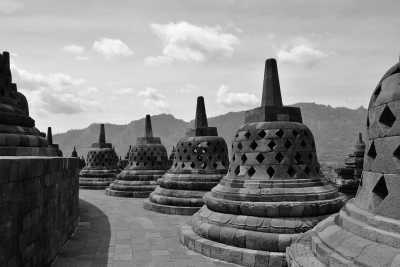
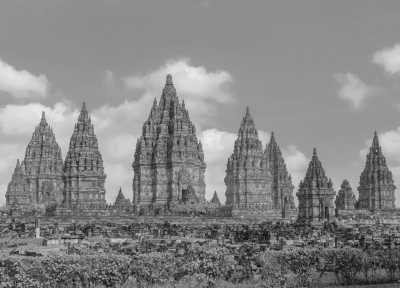
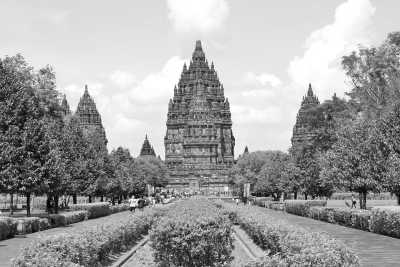
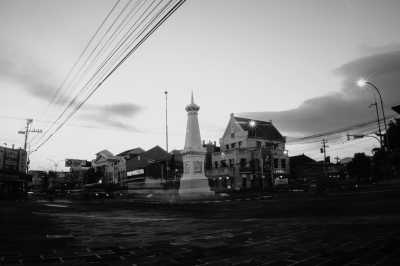
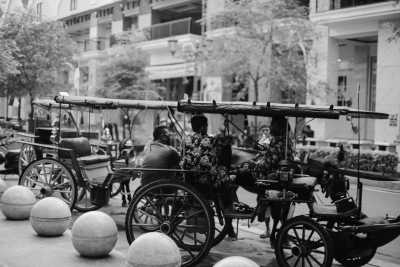
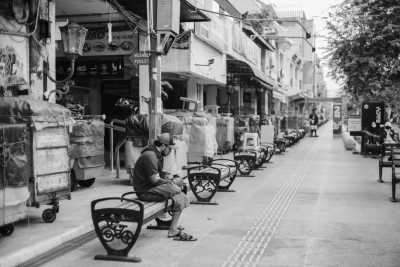
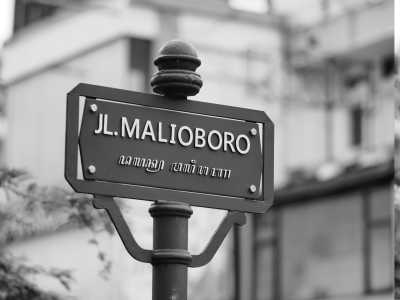
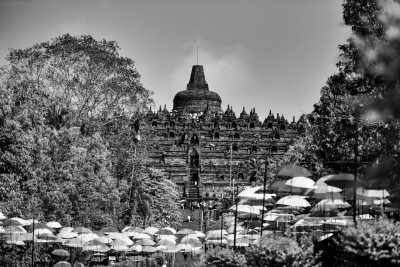
Feb 25 - 26, 2024 The first day in Yogyakarta, after arrive at Yogyakarta Station, we will visit on to Prambanan Temple. Located not far from the Buddhist Borobudur temple, the proximity of the two temples tells us that on Java, Buddhism and Hinduism lived peacefully next to one another. Prambanan is a magnificent spectacle and an icon of Indonesia’s cultural heritage. The temples at Prambanan were built in the 9th century and is known locally as Roro Jonggrang, coming from the legend of the ‘slender virgin’. The biggest temple is dedicated to Shiva – the destroyer, and the two smaller ones which sit on its right and left are dedicated to Brahma, the creator, and Wisnhu, the sustainer. The tallest temple of Prambanan is a staggering 47 meters high. Its peak visible from far away and rises high above the ruins of the other temples. After hundreds of years of neglect, the Prambanan temple was rediscovered by CA Lons, a Dutchman, in 1733. Since then, this temple has been revitalized and today is widely regarded as the most beautiful and graceful Hindu temple in Indonesia. The grandeur, complexity, and integrated architectural concept of Prambanan makes this a truly amazing structure. As a unique cultural and architectural marvel, Prambanan was declared a World Heritage site in 1991 by UNESCO. From there, in evening, we went straight to the hotel which is strategically located around Malioboro. There we can relax and enjoy the night atmosphere at Malioboro. The second day in Yogyakarta, we will visit Borobudur Temple. Located on the island of Java, the magnificent Borobudur temple is the world’s biggest Buddhist monument, an ancient site widely considered to be one of the world’s seven wonders. The temple sits majestically on a hilltop overlooking lush green fields and distant hills. Built in the 9th century during the reign of the Syailendra dynasty, the temple’s design in Gupta architecture reflects India's influence on the region, yet there are enough indigenous scenes and elements incorporated to make Borobudur uniquely Indonesian. It covers an enormous area, measuring 123 x 123 meters. The monument is a marvel of design, decorated with 2,672 relief panels and 504 Buddha statues. The architecture and stonework of this temple has no equal. And it was built without using any kind of cement or mortar! The structure is like a set of massive interlocking Lego blocks held together without any glue. The temple has remained strong even through ten centuries of neglect. It was rediscovered in 1815, buried under volcanic ash. In the 1970’s the Indonesian Government and UNESCO worked together to restore Borobudur to its former majesty The restoration took eight years to complete and today Borobudur is one of Indonesia and the world’s most valuable treasures. The temple is decorated with stone carvings in bas-relief representing images from the life of Buddha. Commentators claim that this is the largest and most complete ensemble of Buddhist reliefs in the world, unsurpassed in artistic merit. From there we can relax again around Malioboro. There are several spots around Malioboro including Pal Putih Monument, Beringharjo Market, Bakpia Factory, Vredeburg Fort, Alun-alun Kidul, etc. Towards evening, we travel to Malang by travel or bus.
3

Malang

Day 4-5
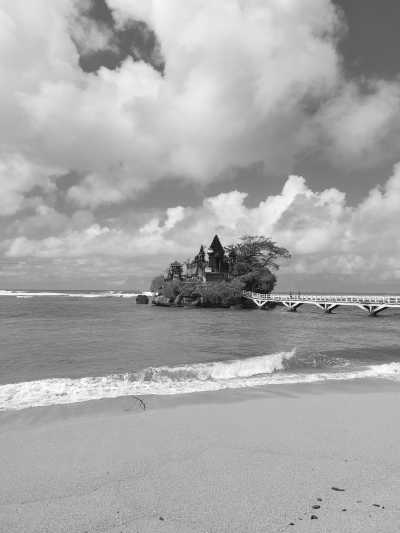
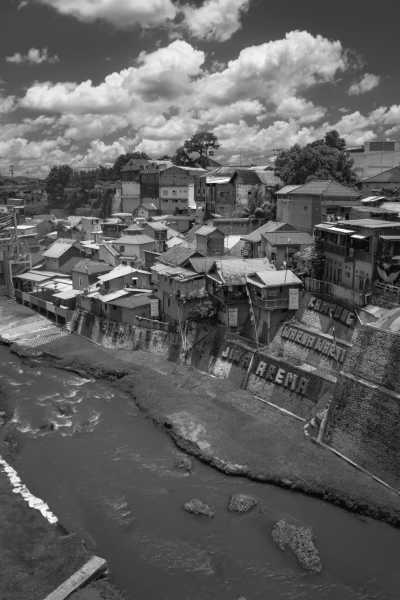
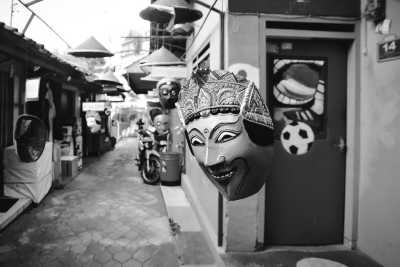
Feb 27 - 28, 2024 First day in Malang, we will visit The Luhur Amertha Jati Temple at Balekambang Beach. Balekambang Beach is one of the beautiful beaches and popular in Malang. This beach is located in the district Bantur, 65 km south of the city of Malang. Balekambang Beach unfolds beautifully and there are coral reefs along the 2 km and has a width of 200 meters towards the sea. On the beach there is a temple Balekambang make this beach is often called Malang's Lot Land. You can get to the The Luhur Amertha Jati Temple only 100 meters from the beach. The second day in Malang, we will visit Jodipan Rainbow and Blue Village and the afternoon we will go to Banyuwangi by train.
4

Banyuwangi

Day 5-8
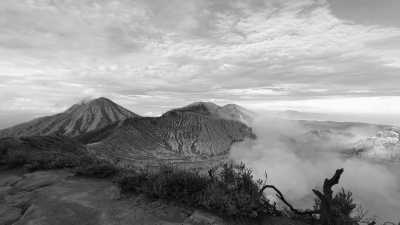
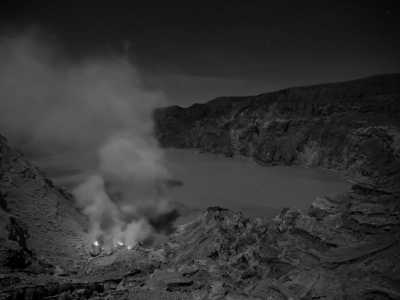
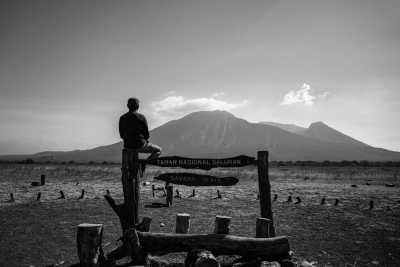
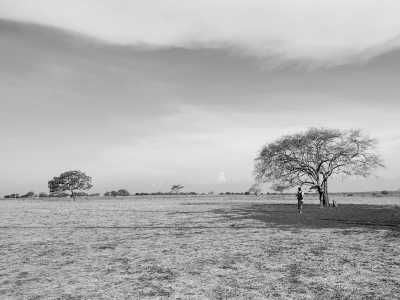
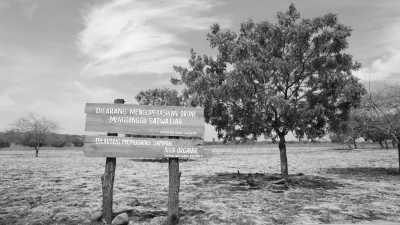
Feb 28 - Mar 1, 2024 The first day in Banyuwangi, after arrived at Banyuwangi Station, we continuing our climb to Ijen Crater at midnight. Travel to the Ijen Crater Paltuding Post around 22.00 LT by car. The second day in Banyuwangi, we will climb to the Ijen Crater in the early morning. Ijen plateau, also known as 'Kawah Ijen' is highly recommended for nature enthusiasts and hikers. The Plateau was at one time a huge active crater, 134 sq km in area. Ijen is a quiet but active volcano, and the landscape is dominated by the volcanic cones of Ijen (2,368 asl) and Merapi (2,800 asl) on the northeastern edge of the Plateau, and Raung (3,332 asl) on the southwestern corner. The beauty of Ijen Crater has been recognized across the world. In March 2016, this magical lake has been included in UNESCO’s World Biosphere Reserves. When you arrived here after walking through a road surrounded by lush greeneries, a refreshing chill breeze will greet you right away. The air around Ijen Crater normally will reach about 10 degrees celsius daily. Sometimes, it might even hit 2 degrees celsius. In the day, the mesmerizing sight of sunlight radiating a turquoise lake enveloped with smokes will give you an everlasting impression. Several small vents can be found surrounding the crater. They are a source of work for sulfur miners, making their way up and down from the crater and down to the lake each and every day. At dawn, you can have a chance to witness an incredible natural phenomenon where blue-tinted flames will appear around the crater. Known by many as the Blue Fire, this phenomenon usually occurs around 04.00 LT. After climbing to Ijen Crater, we will take a full rest in the city before continuing our journey to Baluran National Park the next day. The third day, we will visit Baluran National Park. In stark contrast to the lush green scenery found elsewhere on the island of Java, the Baluran National Park, located on the east-most edge of Java, consists predominantly of open savannahs, where wildlife roams free. Here one can watch grazing, the large Java water buffaloes called “banteng”, small Java mouse-deer is known as “kancil”, peacocks strutting about displaying their colorful plumage, eagles flying overhead and macaques fishing for crabs with their tails. Coverning 250 sq km, the Park forms part of the district of Situbondo, in the province of East Java, comprising lowland forests, mangrove forests and 40% swathes of fertile savannahs, they provide abundant food for the animals. Here also are many typical Java trees like the Java tamarind and the pecan nut trees. Discovered by Dutchman A.H.Loredeboer, in 1937 it was designated Wildlife Refuge by the Dutch colonial authorities, and in 1980 Indonesia designated this as a National Park. At the center of this large Park stands the extinct Baluran volcano, watching over its pristine environment dominated by the dry east wind, Baluran receives on average only 3 months of rain. The rainy season in East Java being between Novembers through April, peaking in December and January, while the dry season lasts from April through October. During the dry season, the land parches and water becomes scarce, while when it rains, water slides over the black alluvial land with little being absorbed, forming water pools especially along the Park’s southern part that connects Talpat with Bama Beach. When you visit Baluran during the rainy season, you will see ample water holes, but during this time the Banteng and the wild bulls prefer to wander in the forests, although other animals like peacocks, mouse deer, and wildfowl do come out and can still be observed. Baluran National Park boasts 444 species of trees, some unique to the area like the widoro bukol (Ziziphus rotundifolia), mimba (Azadirachta indica), and pilang (Acacia leucophloea). These plants are able to adapt to dry conditions when others have long wilted. Other trees also remaining green are the candle trees or kemiri (Aleurites moluccana), gebang (Corypha utan), api-api (Avicennia sp.), the tamarind tree (Tamarindus indica), gadung (Dioscorea hispida), kendal (Cordia obliqua), manting (Syzygium polyanthum), and kepuh (Sterculia foetida). The Park is habitat to 26 mammal species among which are the banteng (Bos javanicus), wild water buffaloes (Bubalus bubalis), the ajag (Cuon alpinus javanicus), the muncak deer (Muntiacus muntjak), the rusa (Cervus timorensis), leopards (Panthera pardus), the mouse deer (Tragulus javanicus), and mangrove cats (Prionailurus viverrinus). The Banteng are specific to Baluran and are therefore the Park’s mascot. Additionally, Baluran is habitat to 155 types of birds, among which are the rare fire kite (Hirundo rustica), the red forest fowl (Gallus gallus), kangkareng (Anthracoceros convecus), hornbills (Buceros rhinoceros), tuwuk or asian tuwur (Eudynamys scolopacea), peacocks (Pavo muticus), and herons (Leptoptilos javanicus).
5

Denpasar

Day 8-10
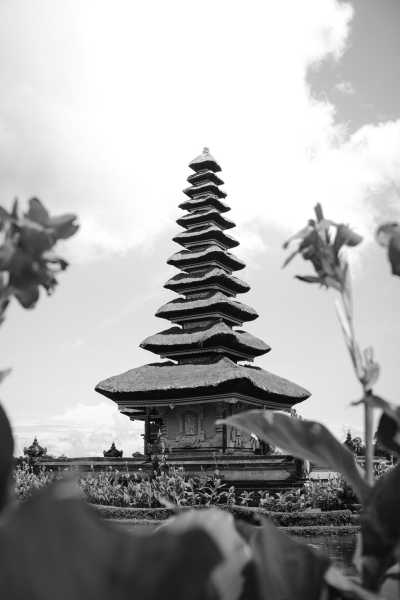
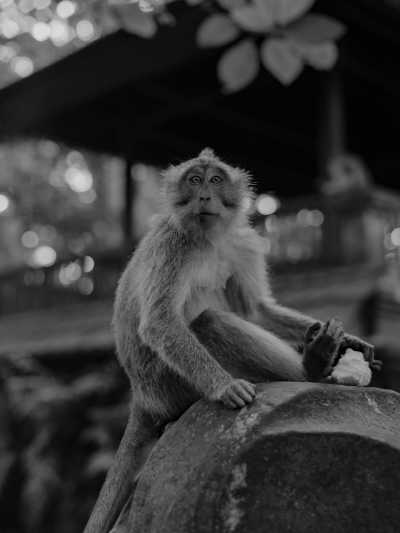
Mar 2 - 3, 2024 The first day after arrive at Bali, we will visit Ulun Danu Beratan Temple. Administratively, Ulun Danu Beratan Temple is located at Candikuning Village, Baturiti Subditrict, Tabanan regency in Bali, Indonesia. The temple is located at the heart of Bali Island., approximately 50 kms to the north from Denpasar, by the main street connecting Denpasar and Singaraja. Ulun Danu Beratan Temple is one of nine “Kahyangan Jagat Temple” which are surrounding Bali Island, that makes it become one of the most important Temple for the Balinese, especially for Hindu. It consists of five compounds of temples and one Buddhist Stupa, there are: Penataran Agung Temple Dalem Purwa Temple Taman Beiji Temple Lingga Petak Temple (in the middle of Lake Beratan) Prajapati Temple Buddhist Stupa These compounds of temples located inside the area of “Daya Tarik Wisata Ulun Danu Beratan” and has been taken care for years by the costumertary Villages along with the government. These temple often being used by the Hindu in Bali or Hindu from another province in Indonesia to pray to the Almighty God on its manifestation as “Tri Murti” (Brahma, Visnu, and Shiva) for the fertility of soil, human wealth, and the preservation of the universe. Historically, this Temple was built by I Gusti Agung Putu on 1556 Saka year. (1634 AD) and being taken care of by four Satakan from the costumary Villages around the temple, consists of: Satakan Candi Kuning covering 5 Bendesa Adat (head of villages) Satakan Bangah covering 3 Bendesa Adat. Satakan Antapan covering 4 Bendesa Adat. Satakan Baturiti covering 6 Bendesa Adat. Geographically, Ulun Danu Beratan Temple is located approximately 1200 meters high above sea level and it surrounded by the beautiful scenery of mountainous landscape with fresh air. This place has become one of the icons of travel in Bali and has been visited by many visitors from from domestic or international whom spare their time during their vacation in Bali. The second day, we will visit Sacred Monkey Forest Sanctuary. The Sacred Monkey Forest Sanctuary, also known as the Ubud Monkey Forest, is a natural sanctuary located in the village of Padangtegal in Ubud, Bali. The forest covers approximately 12.5 hectares and is home to over 1200 long-tiled macaque monkeys. Monkey Forest Ubud holds a significant history intertwined with Balinese culture. Dating back to the 14th century, it has been regarded as a sacred place, housing spiritual forces and guardian spirits. The monkeys, seen as sacred animals, symbolize both protection and mischief, fostering a unique connection between humans and wildlife. In the 20th century, Monkey Forest Ubud gained recognition as a vital conservation area. Efforts were made to preserve its natural beauty, promote responsible tourism, and raise awareness about the cultural and environmental significance. Today, it stands as a cherished sanctuary, where visitors can connect with nature, observe captivating monkey behavior, and support the ongoing conservation efforts.
6

Penida Island

Day 10-11
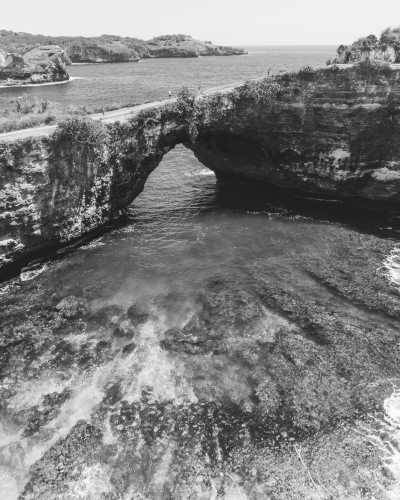
Mar 4 - 5, 2024 The third day at Bali, we will visit Nusa Penida Island. There are some neighboring islands near to Bali. There are 3 most famous, located around 20 km away from Bali to the south-east known as Nusa Penida Island, Nusa Ceningan Island and Nusa Lembongan Island. Each of these Islands shares their own unique tourism destination and arts. For many peoples, these three Islands might not be recognized as parts of Bali’s district. Somehow, they give a great contribution to the tourism development in Bali area. Among these three islands, Nusa Penida Island is the largest one, and also well known as the best destination for scuba diving. Although the two others islands, Nusa Lembongan and Nusa Ceningan is located separated, they're still administratively belong to the Nusa Penida area. Administratively, the islands is a district of Klungkung regency. The Badung Strait separates the islands and Bali. In this archipelago, specially Nusa Penida Island, you will find beautiful pure beaches and some conservation places protecting plants, birds, and also turtle. When you are diving in Nusa Penida Island, you will likely to see the large pelagic, such as Manta Ray’s (Manta Birostris) at some locations and Mola Mola (Oceanic Sunfish). If you get lucky, you will sometimes see the whale-shark too. The fourth day at the Bali Island, this is our last day to explore places of interest on the island of Java and Bali. We will still accompany you to the airport in Bali. Thank you for your trust in choosing an adventure with us. Don't forget to give us your best review and stars.
Trip Summary
Accommodation
Hostel & Bed & Breakfast
11 days trip
Jakarta, Yogyakarta & 4 more
Transportation
Train, Car, Boat
What's excluded?
International flights
Personal shopping and/or souvenirs
Alcohol
Brunch and dinner
Why JoinMyTrip?
Trusted platform used by 150K+ TripMates
Have A Question?
Live Chat with our experts 24x7
Unique Trips hosted by Experienced Travellers
Secure Payments to ensure your money is always safe