
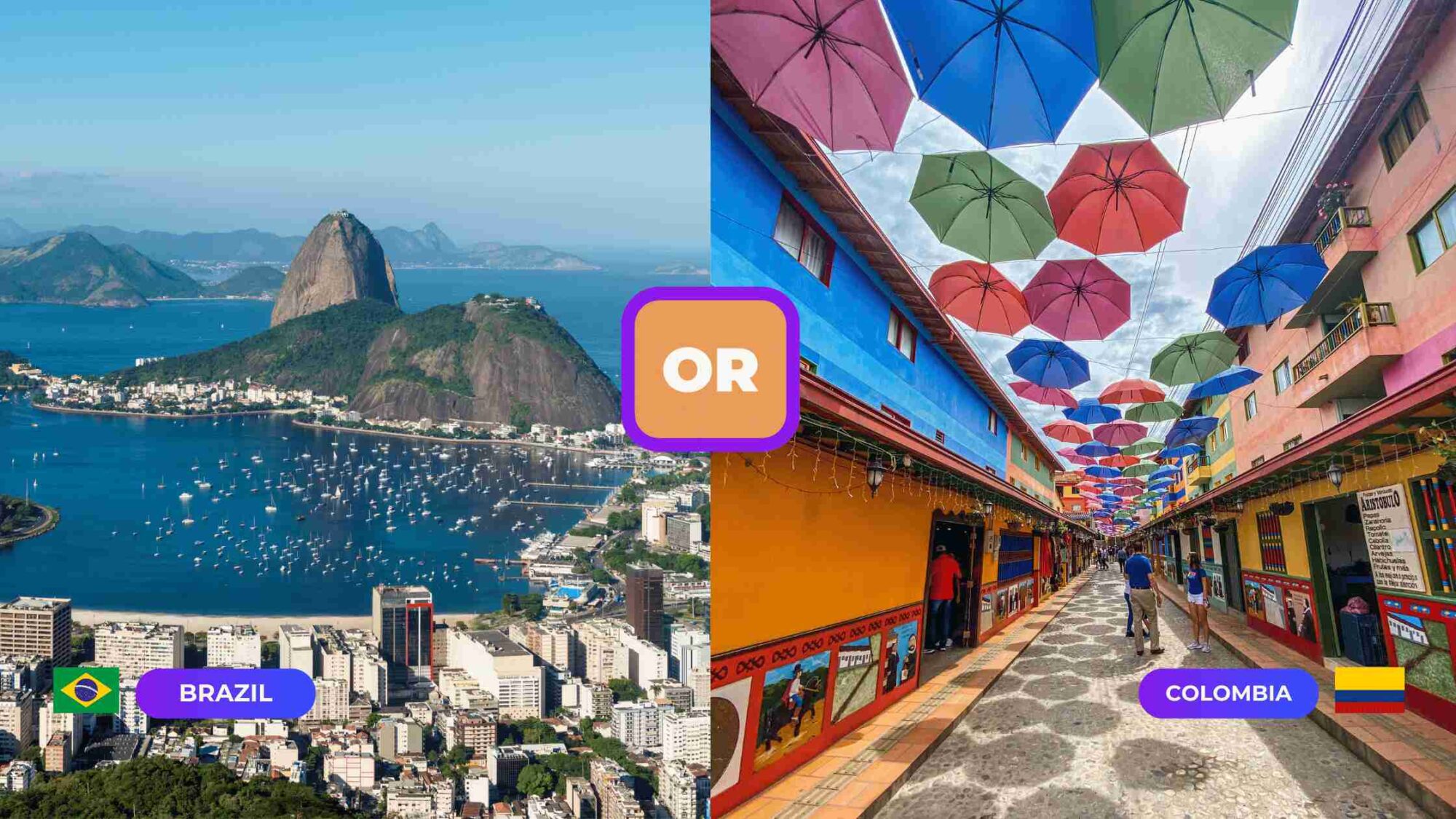
Dreaming of tropical beaches, vibrant culture, and unforgettable adventure? Both Brazil and Colombia stand out as two of South America’s most compelling travel destinations — but which one should you choose for your next trip? In this comprehensive guide, we unpack the highlights, landscapes, activities, top destinations, travel logistics, cost expectations, and safety tips to help you decide which country matches your wanderlust personality best.
Whether you’re a solo backpacker, a food lover, or a culture chaser, by the end of this article you’ll have a clear sense of whether Brazil or Colombia deserves to be your next passport stamp.
1. General Information
| Brazil | Colombia | |
| Size | 8.516.000 km² | 1.142.000 km² |
| Language | Portuguese | Spanish |
| Currency | Brazilian Real (BRL) 1 BRL = 0.16 EUR | Colombian Peso (COP) 1 COP = 0.0023 EUR |
| Visa | Visa-free for EU and US travelers | Visa-free for EU and US travelers |
2. Highlights of Brazil and Colombia
Highlights of Brazil
Brazil is a continent-sized country — second largest in both South America and the Southern Hemisphere — and it truly merits that scale. From samba rhythms in Rio de Janeiro to the thunderous roar of Iguazu Falls, Brazil is a playground for nature lovers and party seekers alike.
Key highlights:
- Massive biodiversity: Amazon Rainforest, Pantanal (the world’s largest tropical wetland).
- Culture & celebration: Samba, Carnaval, Afro-Brazilian heritage in Salvador.
- Iconic landscapes: Sugarloaf Mountain, Ipanema Beach, and other bucket-list views.
Brazil is bold, loud, colorful, and often larger-than-life — perfect for travelers seeking unforgettable scenes, epic wildlife, and cultural richness.
Highlights of Colombia
Colombia has emerged as one of South America’s most exciting travel destinations in the past decade. Once overlooked, it now draws visitors with its warm people, colorful colonial cities, lush coffee regions, and welcoming vibe.
Key highlights:
- Caribbean beauty: Amble the streets of walled Cartagena or relax on the Rosario Islands.
- Urban energy: Medellín’s innovative culture and year-round springlike climate.
- Coffee culture: Salento and the Coffee Triangle offer mountain scenery and world-class brews.
Colombia blends adventure, culture, and relaxation in a way that feels both accessible and unexpected, it’s a perfect mix for curious travelers.
2. Brazil or Colombia: Landscapes
One reason both Brazil and Colombia capture the imagination is their dramatically varied landscapes. But each country offers a different flavor of beauty.
Brazil’s Landscapes
Brazil’s geography is extraordinarily diverse and monumental:
- Amazon Rainforest: The world’s largest rainforest dominates northern Brazil. Its winding rivers, towering trees, and unparalleled biodiversity make it one of the ultimate nature experiences on Earth.
- Pantanal Wetlands: Easier to explore than the Amazon, the Pantanal is teeming with wildlife, from jaguars and capybaras to exotic birds and caimans.
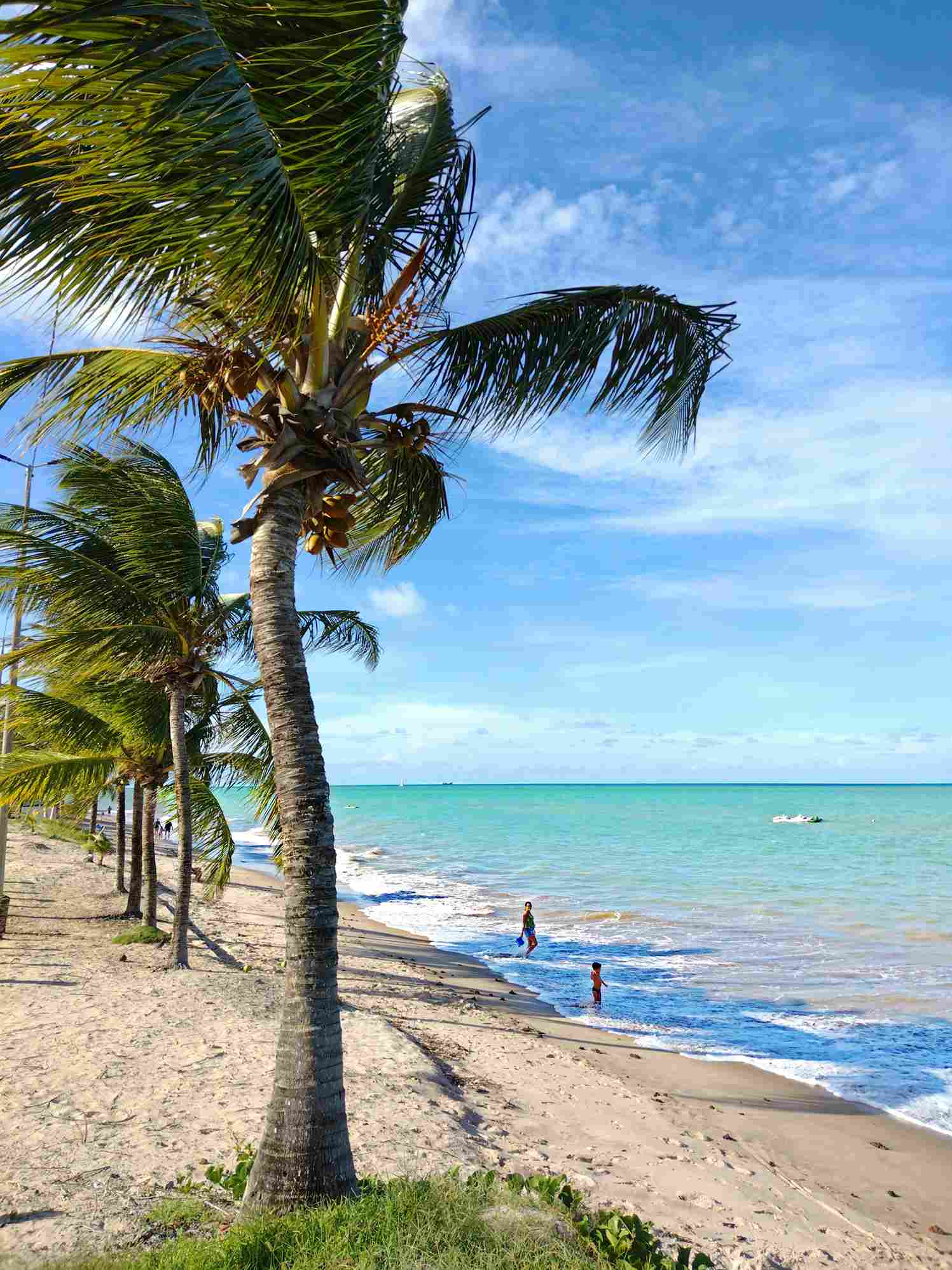
- Endless Coastline: Brazil has over 7,000 km (over 4,300 miles) of beaches, from the postcard-perfect sands of Rio de Janeiro to hidden gems along the Northeast.
From underwater coral reefs to tropical river basins and highland plateaus, Brazil’s landscapes are world-famous and world-sized.
Colombia’s Landscapes
Colombia packs an extraordinary range of landscapes into a much smaller area:
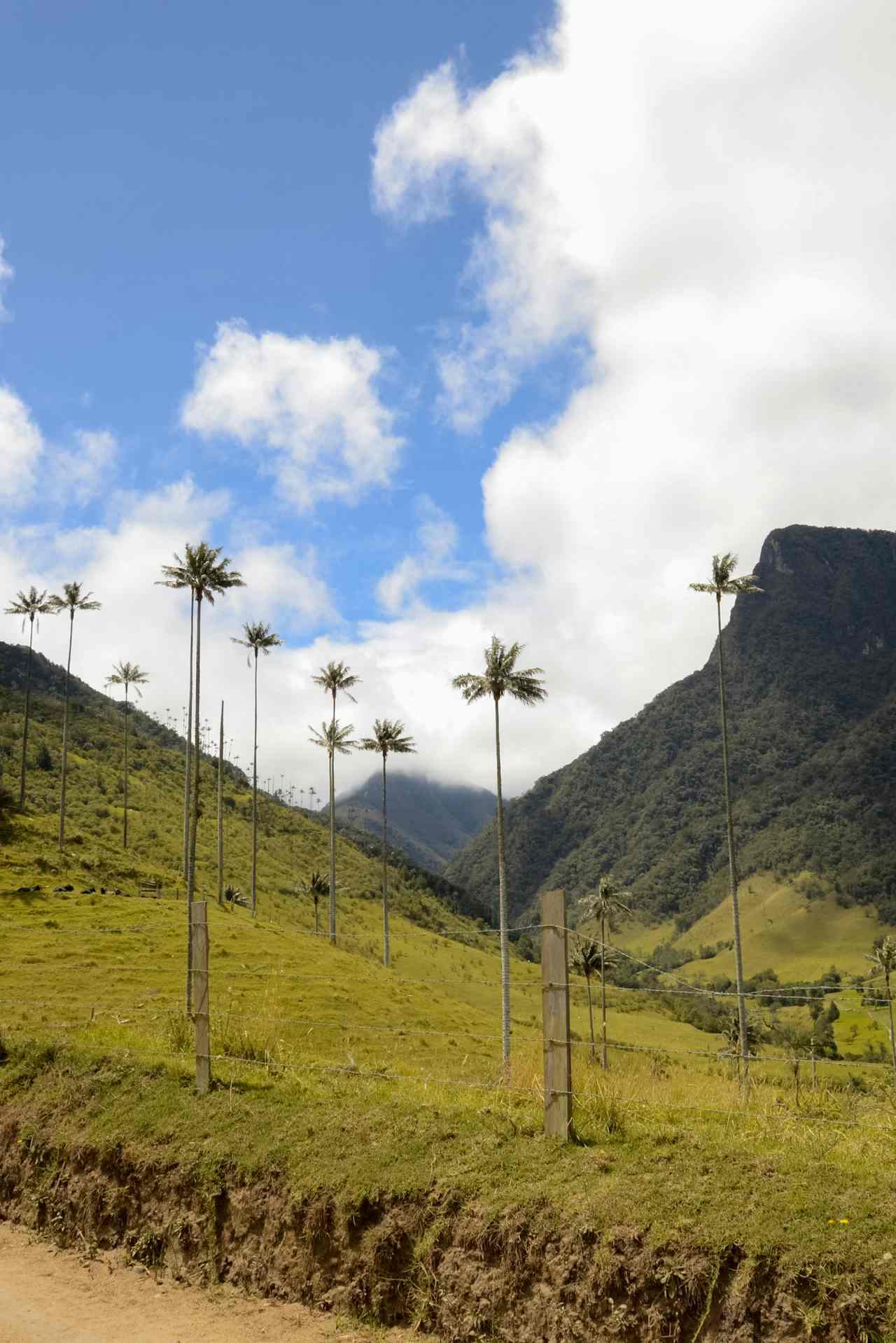
- Andean Peaks: Central cordilleras offer dramatic mountains and lush valleys.
- Coffee Region Hills: Rolling green slopes and quaint towns like Salento make for serene hiking.
- Caribbean Coastline: Palm-fringed beaches, coral reefs, and turquoise waters define Colombia’s northern edge.
- Amazon Basin: Colombia also claims part of the Amazon, yet less crowded and deeply wild.
Colombia’s landscapes feel incredibly intimate and accessible, making day trips and multi-environment adventures easy even within one itinerary.
3. Brazil or Colombia: Top Things to Do
Both Brazil and Colombia offer tons of activities — but they lean into different strengths. Here’s what to get excited about in each.
Things To Do in Brazil
- Party Like a Carioca: Dance the night away in Rio’s clubs or join a Samba School rehearsal.
- Wildlife Safaris in the Pantanal: Spot jaguars, tapirs, anteaters, and hundreds of bird species on guided tours.
- Cruise the Amazon: Riverboat expeditions bring you deep into the rainforest with expert naturalists.
- Surf and Sun on Northeast Beaches: Natal and nearby dunes are a paradise for beach lovers and kitesurfers.
- Explore Colonial History: Cities like Salvador offer deep cultural immersion in Afro-Brazilian heritage.
Brazil thrives on big experiences — majestic nature, booming fiestas, and iconic scenes you’ll remember forever.
Top Things to Do in Colombia
- Explore Cartagena’s Walled City: Walk centuries-old walls and vibrant plazas drenched in history.
- Ride the Medellín Metrocable: Glide above green hills and get sweeping city views.
- Coffee Farm Hikes in Salento: Learn about the bean-to-cup journey in world-renowned coffee country.
- Island Time on the Rosario Islands: Snorkel, lounge, and soak up Caribbean sun.
- Trek to Lost Cities or Waterfalls: Colombia’s interior is packed with eco-adventures.
Colombia’s strength lies in accessible diversity — a crisp beach morning can blend into mountain hikes and cultural encounters before lunch.
4. Brazil or Colombia: Best Places to Visit
Here’s a deeper look at must-see destinations in each country. Each place below is a highlight in its own right — and together they offer stories you’ll share for a lifetime.
Best Places to Visit in Brazil
Rio de Janeiro
If Brazil had an iconic face, it would be Rio. This city delivers the full Brazilian vibe: dramatic mountains, ocean-fed beaches, and a culture of celebration.
- Wander the golden sands of Copacabana and Ipanema.
- Take the cable car up Sugarloaf Mountain or hike to the Christ the Redeemer statue for jaw-dropping panoramas.
- Explore historic neighborhoods, catch live samba music in bars, and soak in Rio’s electric street life.
Whether you’re watching sunrise over Guanabara Bay or dancing at a neighborhood bloco, Rio is the city that turns first-time visitors into lifelong fans.
Salvador
Salvador is Brazil’s cultural heartbeat — a place where history, religion, and music fuse into an unforgettable mix.
- The old town of Pelourinho is a UNESCO World Heritage Site, full of pastel buildings and cobblestone streets.
- Afro-Brazilian culture shapes Salvador’s food, music, and festivals — especially during Carnaval.
- Don’t miss the chance to sample acarajé, a delicious street food snack with roots in West African cuisine.
Salvador feels like a celebration in motion — lively, soulful, and deeply proud of its heritage.
Natal
For sun, sand, and uniquely Brazilian beach culture, Natal shines.
- Famous for its massive sand dunes, beachfront promenades, and strong winds ideal for kite surfing.
- Take guided dune buggy tours or relax with fresh seafood by the Atlantic.
- From vibrant beach bars to peaceful coves, Natal strikes a perfect balance between energy and serenity.
Beach lovers and active adventurers alike will find plenty to love here.
Pantanal
If wildlife is at the top of your priority list, the Pantanal delivers big.
- This sprawling wetland ecosystem is one of the best places on the planet for wildlife viewing on foot or by boat.
- Guides lead you to see jaguars, caimans, giant anteaters, capybaras, and flamingos in their natural habitats.
- Birdwatchers, photographers, and nature enthusiasts will find endless inspiration.
The Pantanal showcases Brazil’s wild side — untouched, intimate, and thriving with life.
Amazon Rainforest
The Amazon needs little introduction: rivers like veins through the greenest lungs of the planet.
- Most tours start from cities like Manaus, offering multi-day excursions deep into the jungle.
- Stay in eco-lodges, join river tours, and learn from indigenous guides about medicinal plants, nocturnal wildlife, and tropical ecosystems.
- Canoe beneath towering trees and listen to the rainforest come alive at night.
For many travelers, the Amazon is the very definition of wild adventure — raw, humbling, and breathtaking.
Best Places to Visit in Colombia
Cartagena
Nothing captures Colombia’s magic quite like Cartagena.
- The walled Old Town is a rainbow of colonial architecture with balconies, bougainvillea, and plazas full of life.
- Nights here are electric — from salsa clubs to rooftop bars.
- Stroll the waterline at sunset or explore nearby beaches like Bocagrande and Playa Blanca.
Cartagena balances old-world charm with seaside relaxation, all wrapped in Caribbean warmth.
Medellín
Once known for its tumultuous past, Medellín now stands as a symbol of transformation.
- Its innovative urban design includes cable cars, bike paths, and some of the friendliest locals you’ll meet.
- The climate here is famously springlike — perfect for exploring outdoor markets and art districts like Comuna 13.
- Sit in trendy cafes, admire public murals, or take day trips into surrounding mountains.
Medellín feels youthful and inventive. energetic without losing its heart.
Salento
Nestled in Colombia’s lush Coffee Triangle, Salento invites slower travel and deep breathing.
- Quaint streets, painted houses, and artisan markets dot the town center.
- Nearby Valle de Cocora offers towering wax palms and misty mountain trails.
- Coffee tours let you sip some of the world’s best brews straight from the source.
Whether you’re hiking in the hills or lingering over latte art, Salento feels comfortingly authentic.
Rosario Islands
For postcard-perfect beaches and underwater treasures, the Rosario Islands deliver tropical bliss.
- Crystal-clear waters and coral reefs make snorkeling a must.
- Day trips from Cartagena are popular, but you can also stay overnight in eco-resorts or beachside cabanas.
- Laid-back island vibes, fresh seafood, and sandy shores define this mini Caribbean escape.
If pure relaxation with water activities is high on your list, the Rosario Islands are hard to beat.
Guatapé
Just a short trip from Medellín, Guatapé is one of Colombia’s most colorful and photogenic destinations. The town is famous for its vibrant buildings decorated with zócalos — intricate painted panels that tell stories of local culture and daily life. The main attraction nearby is El Peñol Rock, a towering granite monolith with over 700 steps leading to the top. The climb is rewarded with breathtaking panoramic views of the surrounding lakes and islands that stretch endlessly across the landscape. Beyond the viewpoint, visitors can enjoy boat tours, kayaking, or simply strolling through Guatapé’s cheerful streets filled with artisan shops and waterfront cafés. It’s an easy yet unforgettable escape that combines nature, culture, and postcard-perfect scenery.
5. Brazil or Colombia: Getting Around
Getting Around in Brazil
Brazil’s size means transportation can be a bigger undertaking:
- Flights: Domestic flights between major cities (Rio, São Paulo, Salvador, Manaus) save huge amounts of time.
- Buses: Long-distance buses are comfortable and economical but can take many hours due to distances.
- Within Cities: Ride-hailing (Uber), local buses, and metros (in Rio and São Paulo) are common ways to get around.
Pro tip: Because Brazil is so big, it’s smart to focus on one region (e.g., Northeast beaches + Salvador) if you only have a week or two.
Getting Around in Colombia
Colombia’s more compact size makes it easier to explore multiple regions:
- Flights: Frequent and affordable flights link major cities like Bogotá, Medellín, and Cartagena.
- Buses: A highly developed intercity bus network connects most towns and tourist areas.
- Urban Transit: Medellín’s metro and cable car system is efficient and fun; Bogotá’s TransMilenio buses cover major routes.
Getting around Colombia is relatively agile and budget-friendly compared to Brazil’s longer distances.
6. Brazil or Colombia: Cost
Budget expectations will vary depending on travel style (backpacker vs. comfort traveler), but here’s a general sense of what to expect:
Travel Cost in Brazil
- Accommodation: Budget hostels in major cities $10–$25 USD/night; mid-range hotels $50–$120 USD.
- Food & Drinks: Local eats $5–$12 USD; mid-range restaurant meals $15–$30 USD.
- Transport: Domestic flights can be pricey during high season; buses are cheaper but longer.
- Activities: Jungle lodges and guided wildlife tours can be a splurge.
Brazil isn’t the cheapest destination in South America — but smart choices (local eateries, buses, shoulder-season travel) help stretch your budget.
Travel Cost in Colombia
- Accommodation: Hostels $8–$20 USD/night; mid-range hotels $40–$90 USD.
- Food & Drinks: Street food and markets $3–$8 USD; sit-down meals $10–$20 USD.
- Transport: Flights are relatively affordable; buses are very budget-friendly.
- Activities: City tours, beaches, and coffee farms offer good value.
Overall, Colombia tends to be more affordable than Brazil for similar travel experiences — ideal for budget-conscious explorers.
7. Brazil or Colombia: Safety
Safety is a key consideration for any destination, and both Brazil and Colombia have areas that warrant caution — just like many places around the world.
Safety in Brazil
- Large cities like Rio and São Paulo have neighborhoods with higher crime rates. Stick to tourist-friendly areas and avoid displays of valuable items.
- Use registered taxis or ride-share services, especially at night.
- Beachfront areas and popular attractions are generally well-patrolled and safe during daytime.
Brazil’s safety risks are often urban and manageable with awareness and common-sense precautions.
Safety in Colombia
- Colombia has dramatically improved its safety profile in recent years.
- Tourist zones in Cartagena, Medellín, and Salento are typically safe, especially around main squares and during daylight.
- Like anywhere, petty theft can occur — secure your belongings and stay alert in crowded areas.
Colombia’s reputation has shifted from cautionary to confident, but travelers should still practice standard safety habits.
Final Verdict: Brazil or Colombia?
So which one should you pick?
- Choose Brazil if: you want epic natural grandeur, massive biodiversity, world-famous beaches, and a culture that dances as loudly as its festivals.
- Choose Colombia if: you crave cultural charm, rainbow-colored cities, Caribbean waters, lush coffee hills, and great value for money.
Truthfully — you can’t go wrong with either. They’re both incredible destinations with unique personalities and unforgettable experiences.
Ready for Your Next Adventure?
Whether you’re plotting a journey through Rio’s samba streets or relaxing on the Rosario Islands, traveling with others makes every memory richer and every plan smoother. Join group trips with local hosts and travel buddies at JoinMyTrip. Explore Brazil’s wild frontiers or Colombia’s colorful charm together, make new friends, and travel smarter with curated itineraries and built-in community.