














Deine Trip-Route![]()
13 Tage Trip
Recoleta, Tigre & 9 weitere
Unterkunft
Hostel
Transportmittel
Car, Train, Trekking, Other
Recoleta
Tag 1-2
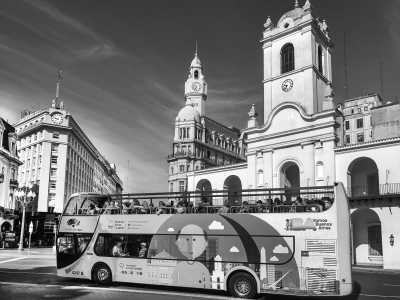
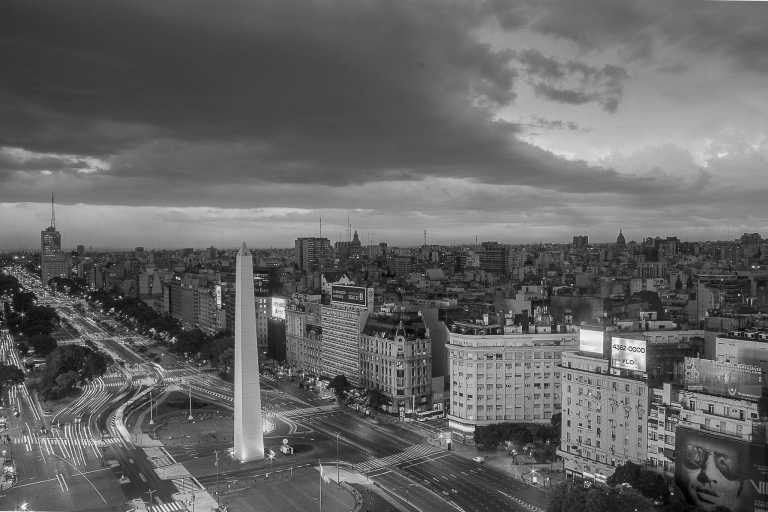
The open-top tourist bus will take us to visit the most emblematic neighbourhoods in Buenos Aires, so you can get a feeling of the city. The ride lasts 3 hours 20 minutes, providing a Hop On/Hop Off service, letting us get on and off the bus as many times as we want. We have a trilingual tour guide plus an audio guide in 9 different languages through headphones available on board. A true multicultural experience no matter where you come from. Our tour begins in the La Recoleta neighbourhood, an emblematic place we'll visit again because of its famous cemetery. That deserves a walking tour due to its historic and architectonic value.
2
2
Tigre
Tag 2-3
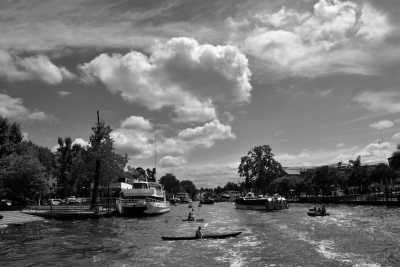
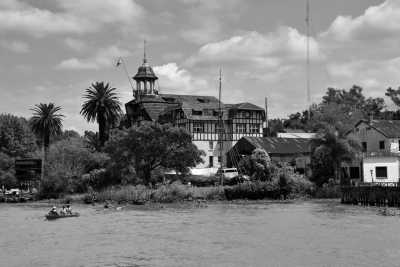
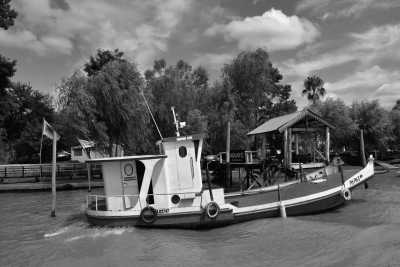
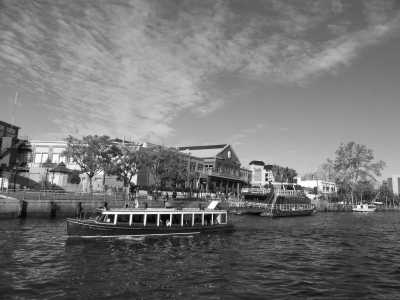
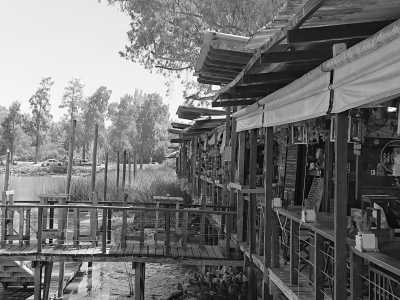
The Tigre River Delta, often simply referred to as the "Delta del Paraná" or "Delta del Tigre," is a vast and intricate network of waterways and islands located in Argentina, about 30 kilometres (19 miles) north of the city of Buenos Aires. Renowned for its rich biodiversity, it covers an area of approximately 5,405 square kilometres (2,086 square miles), making it one of the most significant river deltas globally. It has historical and cultural significance for Argentina, it was once a refuge for European immigrants in the late 19th and early 20th centuries. The delta is characterized by a labyrinthine network of interconnected waterways, canals, and rivers that criss-cross the landscape. Thousands of islands, both large and small, dot the delta region, providing a unique and picturesque environment. Due to its extensive waterways, traditional roads are limited. Consequently, water-based transportation, such as boats and water taxis, is the primary mode of getting around the delta and accessing its various islands and communities. The Tigre River Delta is a popular destination for tourists and Argentinians seeking a peaceful and natural escape from the bustling city life of Buenos Aires. Some recreational activities include taking boat tours, renting kayaks, or visiting the numerous islands and attractions, including museums, restaurants, and craft markets. We'll reach our destination either by navigating from Puerto Madero or after a half hour train ride. After a visit to the lovely fruit market (Mercado de Frutos), we'll take a boat tour and stop in one of the islands for lunch. It'll be a nature-immersion day you'll love.
3
3
Plaza Dorrego
Tag 3-4
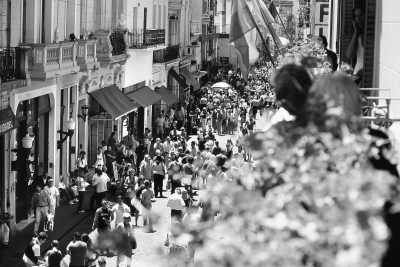
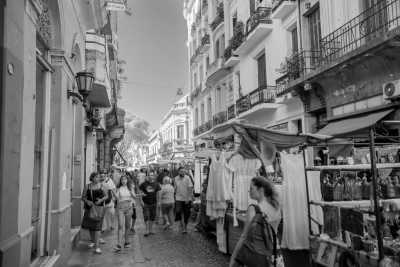
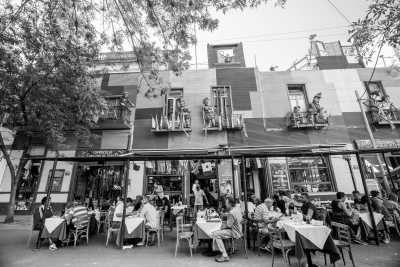
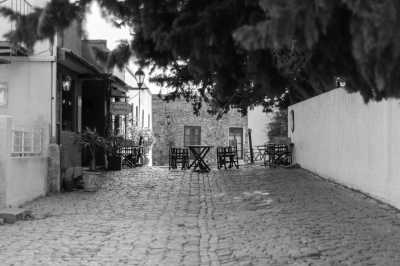
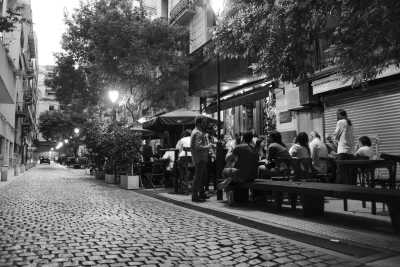
San Telmo is a historic and charming neighbourhood in Buenos Aires, known for its rich cultural heritage, cobblestone streets, and vibrant atmosphere. Plaza Dorrego is a central square located within San Telmo that serves as the heart of the neighbourhood. San Telmo It is one of the oldest in Buenos Aires, dating back to the 17th century. It was originally a prosperous area inhabited by wealthy families, but later became a Bohemian and artistic district. The neighbourhood's streets are lined with picturesque cobblestones, giving it a distinctive and nostalgic ambiance. The architecture reflects a mix of styles, including colonial, baroque, and neoclassical. San Telmo has long been a haven for artists and intellectuals. It is known for its numerous art galleries, antique shops, and cultural centres. You can find a wide range of artistic expression here, from street art to traditional paintings. In addition, San Telmo is closely associated with the history of tango. It's often considered the birthplace of this iconic Argentine dance. You can find tango shows, milongas (tango dance halls), and street performers throughout the neighbourhood. On Sundays, Plaza Dorrego hosts part of the larger San Telmo antique market, where vendors set up stalls selling a wide range of antiques and vintage items. It's a great place for collectors and bargain hunters. Plaza Dorrego is the main square in San Telmo and serves as a focal point for neighbourhood activities. It's a bustling, lively place surrounded by historic buildings. On top of this, it offers a diverse culinary scene with numerous cafés, bars, and restaurants. It's a great place to savour Argentine cuisine and enjoy a relaxing meal. San Telmo and Plaza Dorrego together offer a unique blend of history, culture, and entertainment, making them a must-visit destination for anyone exploring Buenos Aires. The neighbourhood's combination of architectural charm, artistic expression, and tango heritage creates an enchanting atmosphere that captivates visitors from around the world. We'll definitely be coming back to San Telmo for some meals in a very international atmosphere. I'll introduce you to the iconic "choripan", a must-try while in Argentina.
4
4
Bosques de Palermo
Tag 4-5
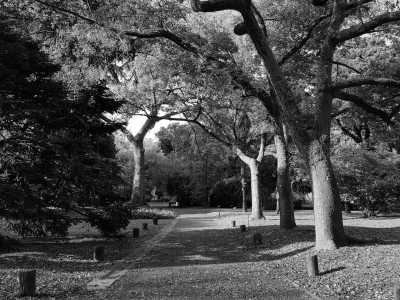
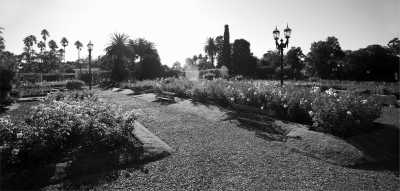
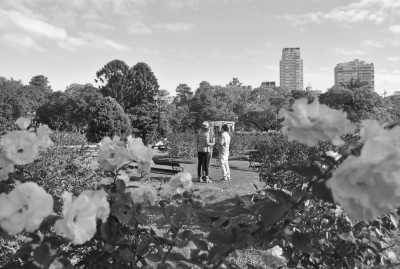
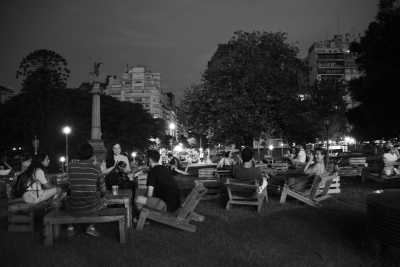
Today we're due to some relax in nature. I'm under the impression that you will love to come back here more than once. Bosques de Palermo (Palermo Woods) serves as a lush and expansive green oasis in the heart of the bustling city. It provides a tranquil escape from the urban hustle and bustle, making it a popular destination for both locals and tourists. Within the park, we'll find beautifully landscaped gardens with a variety of plant species, flowers, and trees. These gardens offer peaceful spaces for relaxation, picnics, or leisurely strolls. It also features several serene lakes and water features, including the prominent Rosedal Lake, where visitors can rent paddle boats and enjoy the view of the surrounding greenery. Throughout Bosques de Palermo we'll encounter numerous monuments and sculptures, each with its own historical or artistic significance. The park's design incorporates elements of both French and Argentine landscape architecture, and is home to the Planetario Galileo Galilei (Galileo Galilei Planetarium). Visitors can engage in various outdoor activities within the park, such as jogging, cycling, rollerblading, or simply lounging on the grass and enjoying a sunny day. Jardín Japonés (Japanese Garden) is a tranquil and meticulously designed Japanese-style garden that offers a peaceful retreat from the city's urban noise and chaos. It reflects the principles of Zen Buddhism and Japanese garden aesthetics, including carefully arranged rocks, koi ponds, wooden bridges, and meticulously pruned bonsai trees. The garden is famous for its collection of colorful koi fish swimming in the ponds. One of the highlights of the Jardín Japonés is its remarkable bonsai collection, showcasing the art of miniature tree cultivation and design. All in all, both Bosques de Palermo and the Jardín Japonés provide visitors with opportunities to connect with nature, relax in serene surroundings, and appreciate the beauty of well-maintained landscapes. Whether you're seeking outdoor activities or a tranquil escape, these locations offer a delightful experience in the heart of Buenos Aires.
5
5
Cementerio de la Recoleta
Tag 5-6
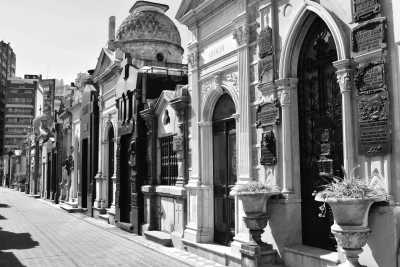
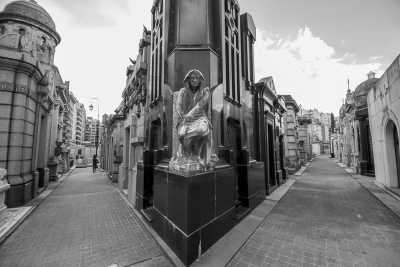
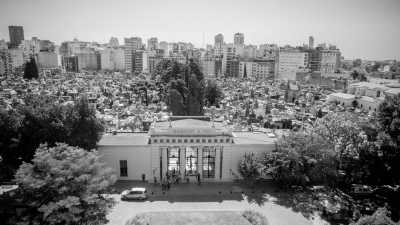
This is a walking, guided tour that will provide us with historical context and fascinating stories about the individuals buried there. Recoleta Cemetery, also known as "Cementerio de la Recoleta," is one of the most famous and historic cemeteries in the world, located in the upscale Recoleta neighbourhood of Buenos Aires, Argentina. It is renowned for its intricate mausoleums, elaborate sculptures, and its role as the final resting place for many notable figures in Argentine history. Recoleta Cemetery is a sprawling labyrinth of ornate mausoleums, crypts, and tombs, each showcasing diverse architectural styles, including neoclassical, art nouveau, art deco, and modernist designs. The cemetery is the final resting place of many famous Argentinians, including Eva Perón (Evita), former presidents, military leaders, writers, artists, and other prominent figures. The mausoleum of Eva Perón, the iconic former First Lady of Argentina, is one of the most visited sites in the cemetery. It is a testament to her enduring popularity and the profound impact she had on Argentine society. Recoleta Cemetery is often considered an open-air museum due to its historical and architectural significance. It provides insight into the history and culture of Argentina. The intricate architecture and sculptures make Recoleta Cemetery a favorite spot for photographers, with every corner offering unique and captivating angles. Recoleta Cemetery is not just a burial ground but a place of historical, architectural, and cultural significance. It is a hauntingly beautiful and peaceful sanctuary in the heart of Buenos Aires, where the past comes to life through the artistry of its mausoleums and the stories of its inhabitants. A visit is a must for anyone interested in exploring the rich history and culture of Argentina's capital city.
6
6
Puerto Madero
Tag 6-7
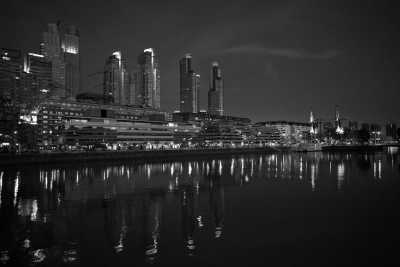
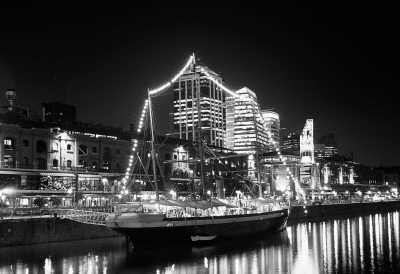
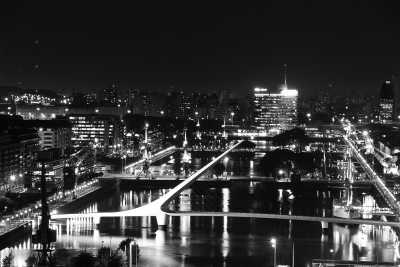
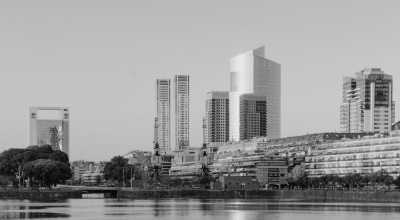
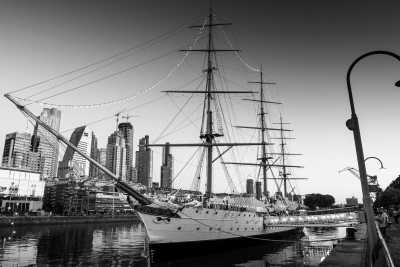
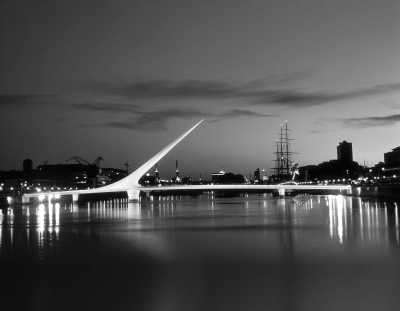
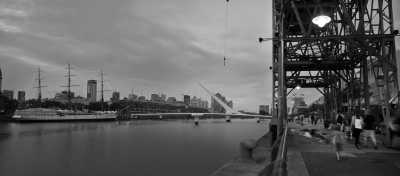
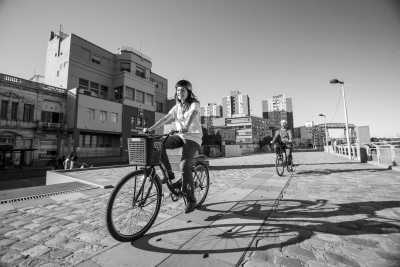
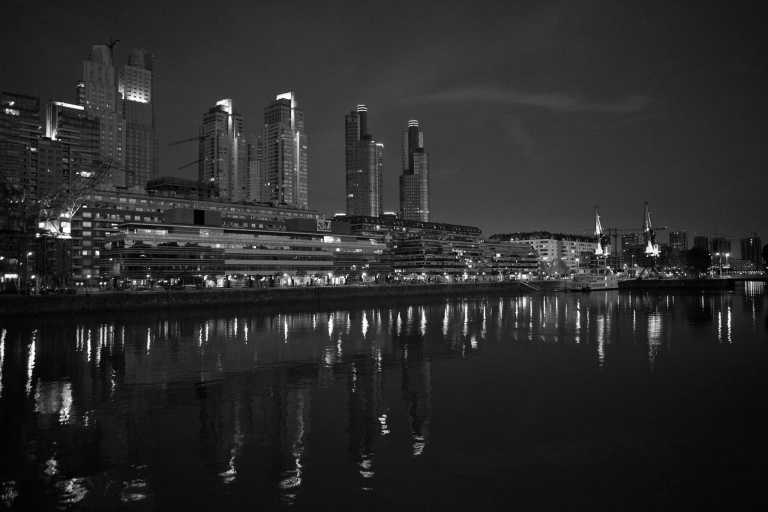
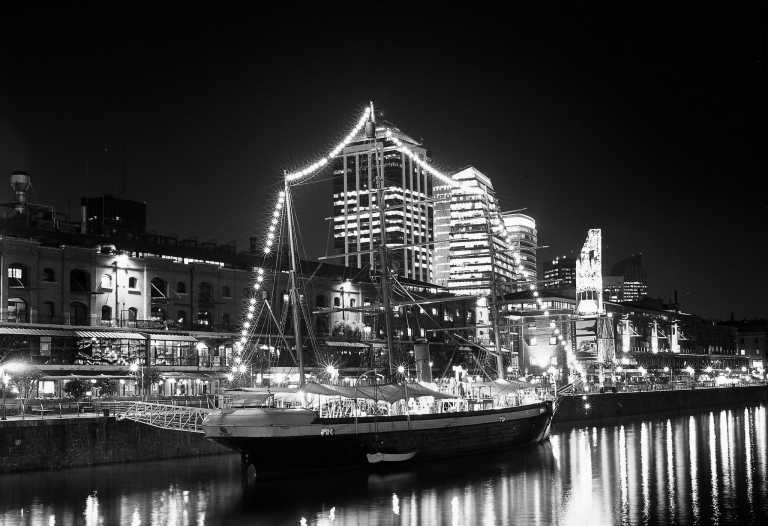
We will visit Puerto Madero both day and night, for our walking tour plus diner in a top restaurant. Where just about every place would make the grade, nothing rivals the insider knowledge when it comes to eateries and experiences. Remember the old saying: "While in Rome, do as locals." This applies for the entire journey. Puerto Madero is a vibrant waterfront district, situated in the eastern part of Buenos Aires, bordering the city's downtown area to the west and the Rio de la Plata to the east It is one of the most modern and upscale neighbourhoods in the city, known for its sleek architecture, upscale restaurants, lively nightlife, and scenic views of the Rio de la Plata. Originally, Puerto Madero was a bustling port area vital to Buenos Aires' trade and commerce. However, over time, the port became obsolete, leading to its abandonment in the late 20th century. In the 1990s, a major urban redevelopment project transformed the area into a modern, upscale district. Renowned for its contemporary and innovative architectural designs, it features a mix of residential and commercial buildings with striking facades, glass exteriors, and unique shapes. Some of the most notable buildings include the Puente de la Mujer (Woman's Bridge), designed by Santiago Calatrava, and modern high-rise apartment complexes. A highlight of Puerto Madero is its extensive waterfront promenade. Visitors can stroll along the scenic pathways, enjoy views of the river, and even relax in one of the many parks and green spaces. The neighbourhood boasts a diverse culinary scene, with numerous high-end restaurants, cafés, and bars. We can find a wide range of cuisines, from traditional Argentine steakhouses (parrillas) to international options. Dining in Puerto Madero often comes with a view of the river or the city skyline. It is home to several cultural attractions, including museums like the Fortabat Art Collection and the Buenos Aires Museum of Contemporary Art (MACBA). Overall, Puerto Madero represents a harmonious blend of modernity and history, offering a unique and dynamic experience for those exploring Buenos Aires. Whether you're interested in fine dining, cultural experiences, or simply taking in the breathtaking architecture and waterfront views, Puerto Madero has something to offer every visitor.
7
7
La Boca
Tag 7-8
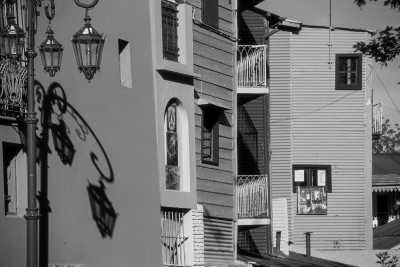
La Boca's history dates back to the 16th century, when Spanish colonizers established a settlement in the area. Its name, which means "The Mouth" in Spanish, comes from its location at the mouth of the Riachuelo River, where it meets the larger Paraná River. During the 19th century, La Boca became a bustling port neighbourhood due to its strategic location. It served as a gateway for immigrants arriving in Argentina, and many of them settled in the area, contributing to its diverse cultural heritage. It was primarily inhabited by working-class immigrants, including Italians, Spaniards, and Genoese sailors who worked in the nearby docks. These residents often used leftover paint from the ships to paint their houses, giving rise to the neighbourhood's colourful facades. La Boca is renowned for its colourful houses, especially along the famous street called "Caminito." These vibrant buildings are a major attraction and a symbol of the neighbourhood. The use of bold colours was a way for the working-class residents to bring vibrancy to their lives. The district has a strong artistic atmosphere, with numerous street artists, musicians, and dancers performing on the streets. You can find tango dancers showcasing their skills and local artisans selling their crafts. La Boca is considered one of the birthplaces of tango, and its streets have witnessed the evolution of this passionate dance. Caminito is one of the most famous streets in the La Boca neighbourhood. It is a major tourist attraction and is renowned for its vibrant and colourful character. It is lined with small houses that are painted in a variety of bold and eye-catching hues. These houses are a hallmark of the neighbourhood and are often seen in postcards and photographs. The use of bright colours on the buildings gives the street a lively and artistic ambiance. The street is paved with traditional cobblestones, adding to its old-world charm. Caminito is not just a street; it's also an outdoor art gallery. Along the side walks, you'll find numerous sculptures, murals, and artworks created by local artists. These installations often reflect the neighbourhood's history, culture, and tango heritage of Buenos Aires. Caminito has historical significance as well. It was named after a famous tango song by Juan de Dios Filiberto and was established as a cultural and artistic hub in the 1950s. It has since become a symbol of the La Boca neighbourhood and is visited by thousands of tourists each year. In summary, Caminito street is a picturesque and lively thoroughfare in the La Boca neighbourhood of Buenos Aires, celebrated for its colourful houses, outdoor art, street performances, and cultural significance. It offers a unique and memorable experience for visitors exploring the rich heritage of Argentina.
8
8
Teatro Colón
Tag 8-9
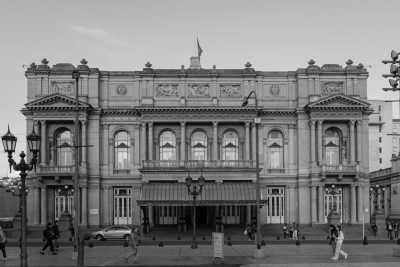
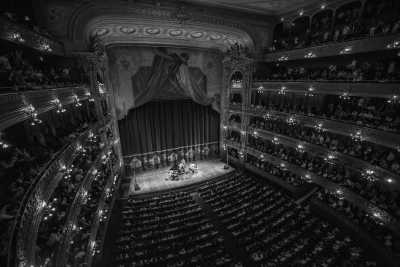
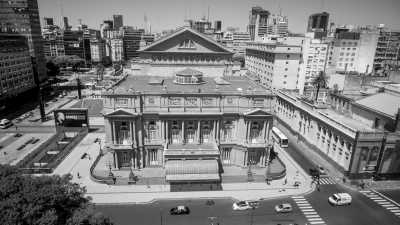
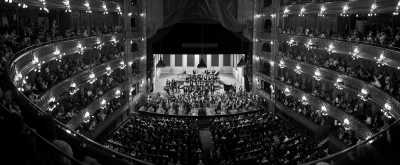
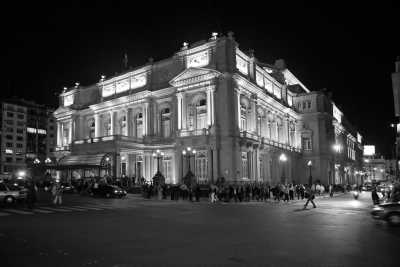
Teatro Colón is one of the most renowned and iconic opera houses in the world, celebrated for its exceptional acoustics, grand architecture, and historical significance. It is a masterpiece of neoclassical architecture. The exterior features a stunning façade adorned with Corinthian columns, sculptures, and intricate details. The interior is equally impressive, boasting opulent décor, chandeliers, and frescoes. The heart of Teatro Colón is its main auditorium, which can accommodate around 2,500 spectators. The horseshoe-shaped seating arrangement offers excellent sight lines to the stage. The auditorium's ceiling is adorned with a beautiful fresco by renowned artist Raúl Soldi. One of Teatro Colón's most celebrated features is its exceptional acoustics. The design of the hall and the use of quality materials make it renowned among musicians and opera enthusiasts for its superb sound quality. It was inaugurated on May 25, 1908, with a performance of Verdi's "Aïda." Its opening marked a significant moment in Argentina's cultural history, reflecting the country's growing cultural and artistic ambitions. Teatro Colón has hosted performances by many renowned artists, including Luciano Pavarotti, Maria Callas, Igor Stravinsky, and Astor Piazzolla, among others. Over the years, the theatre has undergone several renovations and improvements to maintain its world-class status. The most recent major renovation took place from 2006 to 2010, resulting in an updated, state-of-the-art facility while preserving its historical charm. Teatro Colón is primarily known for its opera productions. It hosts world-class performances of both traditional and contemporary operas, attracting top-tier international talent and showcasing Argentina's own opera stars. In addition to opera, Teatro Colón also hosts ballet performances and symphony concerts. The venue is home to the renowned Buenos Aires Philharmonic Orchestra and the Ballet Estable del Teatro Colón, adding to its cultural significance. In summary, Teatro Colón is a cultural gem in Buenos Aires, known for its architectural splendor, exceptional acoustics, and historical importance. It continues to be a vibrant hub for opera, ballet, and symphonic performances, attracting audiences from around the world who come to appreciate its artistic offerings and rich history.
9
9
Colonia del Sacramento
Tag 9-10
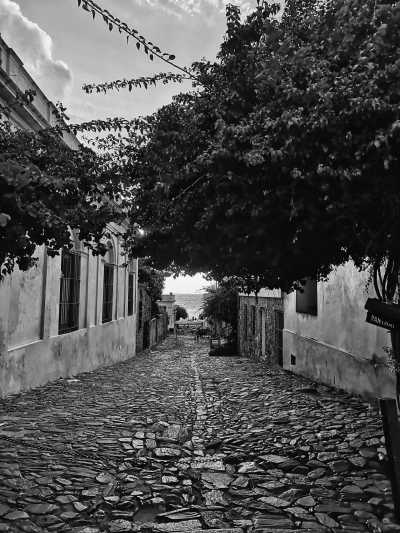
Colonia del Sacramento, commonly known as Colonia, is a charming and historic city located on the southwestern coast of Uruguay, across the Rio de la Plata from Buenos Aires, Argentina. This picturesque town is famous for its well-preserved colonial architecture, cobbled streets, and rich history, making it a UNESCO World Heritage Site. It was founded by the Portuguese in 1680, making it one of the oldest cities in Uruguay. Initially, it served as a strategic outpost during territorial disputes between the Spanish and Portuguese empires in the region. Over the centuries, Colonia changed hands multiple times between the Spanish and the Portuguese. Its strategic location and natural harbour made it a coveted prize in colonial conflicts. It played a significant role in the trade between the Spanish territories of South America and the Portuguese-controlled Brazil. Its proximity to Buenos Aires, just a short ferry ride away, further enhanced its importance as a trade hub. Colonia was eventually incorporated into Uruguay when the country gained independence from Brazil in the early 19th century. It became part of independent Uruguay in 1828. The heart of Colonia is its historic district, known as the Barrio Histórico. This area is characterized by its well-preserved colonial architecture, including colourful houses with red-tiled roofs, cobbled streets, and charming plazas. It's a perfect place for leisurely strolls and taking in the ambiance of a bygone era. At the tip of the Barrio Histórico stands the iconic Colonia del Sacramento Lighthouse (Faro de Colonia). Visitors can climb to the top for panoramic views of the city, the Rio de la Plata, and the distant skyline of Buenos Aires. In addition to several lovely plazas and parks, such as Plaza Mayor and Plaza Mayor 25 de Mayo, the city has several museums that provide insights into its history, including the Municipal Museum, Portuguese Museum, and Spanish Museum. These institutions house artefacts, art, and exhibits related to Colonia's past. Colonia del Sacramento's well-preserved colonial charm, combined with its rich history and relaxed atmosphere, makes it a popular destination for both domestic and international tourists. Whether you're interested in history, culture, or simply seeking a tranquil escape, Colonia offers a unique and captivating experience. This marvellous journey spans for about twelve hours, departing from Puerto Madero and navigating the Rio de la Plata for one hour and fifteen minutes. For lunch, I'll be delighted to introduce you to the Chivito: Uruguay's Most Iconic Sandwich. Just to water your mouth, the star ingredient is a slice of churrasco, which is thinly sliced grilled beef. This is topped with slices of ham, bacon, lettuce, tomato, melted mozzarella cheese, and a fried egg. Yummy!
10
10
Plaza Serrano
Tag 10-11
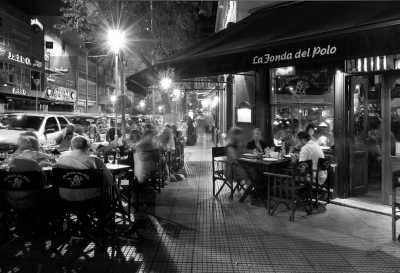
We are going to visit it at least twice: evening (to get the vibe of the place), and daytime (for the graffiti/street art tour). Palermo Soho and Plaza Serrano are two popular areas located in the Palermo neighbourhood of Buenos Aires. They are known for their vibrant atmosphere, trendy shops, restaurants, bars, and cultural attractions. Situated in the northeastern part of Palermo, Palermo Soho is known for its Bohemian and artistic vibe. It's characterized by cobblestone streets, colourful facades, and street art murals. The area is popular among the city's young and hip crowd, where we find a wide range of boutique shops, designer stores, and local boutiques. Palermo Soho is particularly famous for its fashion scene. It comes alive at night, with many bars and clubs offering a lively nightlife atmosphere. Plaza Serrano (Plaza Cortázar) is a small square located in the heart of Palermo Soho. The plaza is a focal point of the neighbourhood and is surrounded by cafés, bars, and shops. It's known for its weekend artisan and vintage markets, which attract both locals and tourists. On weekends, Plaza Serrano becomes a bustling market where we can find handmade crafts, clothing, jewellery, artwork, and unique souvenirs. It's a great place for shopping for gifts and unique items. The square often hosts street performers and musicians, so we can enjoy local artists as well. And of course, any of the bars and restaurants surrounding Plaza Serrano offer outdoor seating, making it a popular spot for evening drinks and socializing. Overall, Palermo Soho and Plaza Serrano are must-visit destinations in Buenos Aires when looking for a mix of shopping, dining, cultural experiences, and a taste of the city's vibrant and creative scene. Whether you're interested in fashion, art, or simply soaking up the local culture, these areas have plenty to offer.
11
11
Palermo
Tag 11-13
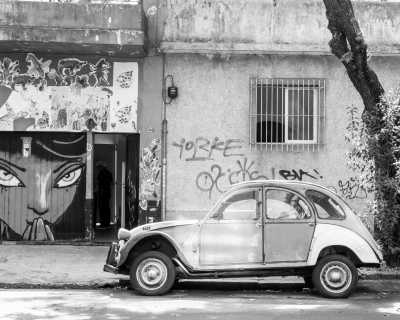
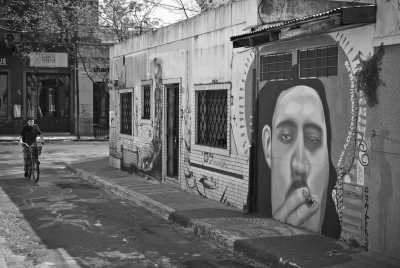
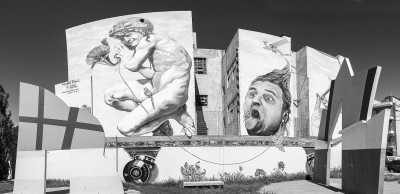
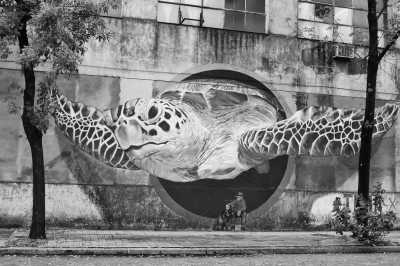
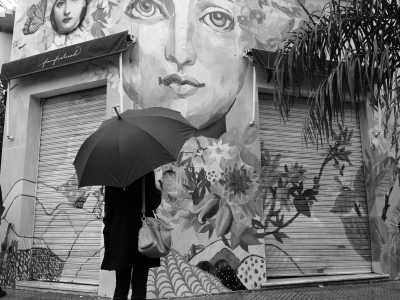
Buenos Aires is renowned for its vibrant graffiti and street art scene, which has gained international recognition for its creativity and diversity. It has a long history in Buenos Aires, dating back to the early 20th century, when political slogans and messages were painted on walls. Over the years, it has evolved into a form of artistic expression. Street art, including graffiti, played a significant role in Argentina's political and social movements, with artists using walls as canvases to convey messages and reflect the nation's struggles and triumphs. Buenos Aires has produced several internationally acclaimed street artists, including Martín Ron, Jaz (Franco Fasoli), and Ever (Nicolás Romero), among others. These artists have left their mark not only in Buenos Aires but also in street art scenes around the world. To support and regulate street art, Buenos Aires has designated certain areas where graffiti is legal and encouraged. These spaces, such as the "Paredón de los Artistas" in Palermo, allow artists to showcase their talents without fear of legal repercussions. Buenos Aires hosts street art festivals and events that bring local and international artists together to create large-scale murals. The Meeting of Styles (MOS) festival is one of the most notable annual events dedicated to street art. Palermo and Palermo Soho are well-known for their street art, with colourful murals adorning many buildings. The area around Plaza Serrano is particularly rich in street art. In summary, graffiti and street art are integral parts of Buenos Aires' cultural fabric, reflecting the city's history, politics, and creative spirit. Exploring the streets to discover these artistic expressions is a rewarding and visually captivating experience for anyone visiting the "Paris of South America".

Hör auf zu träumen
Fang an, gemeinsam zu reisen
Nimm an Gruppenreisen teil oder plane deine eigene mit gleichgesinnten TripMates